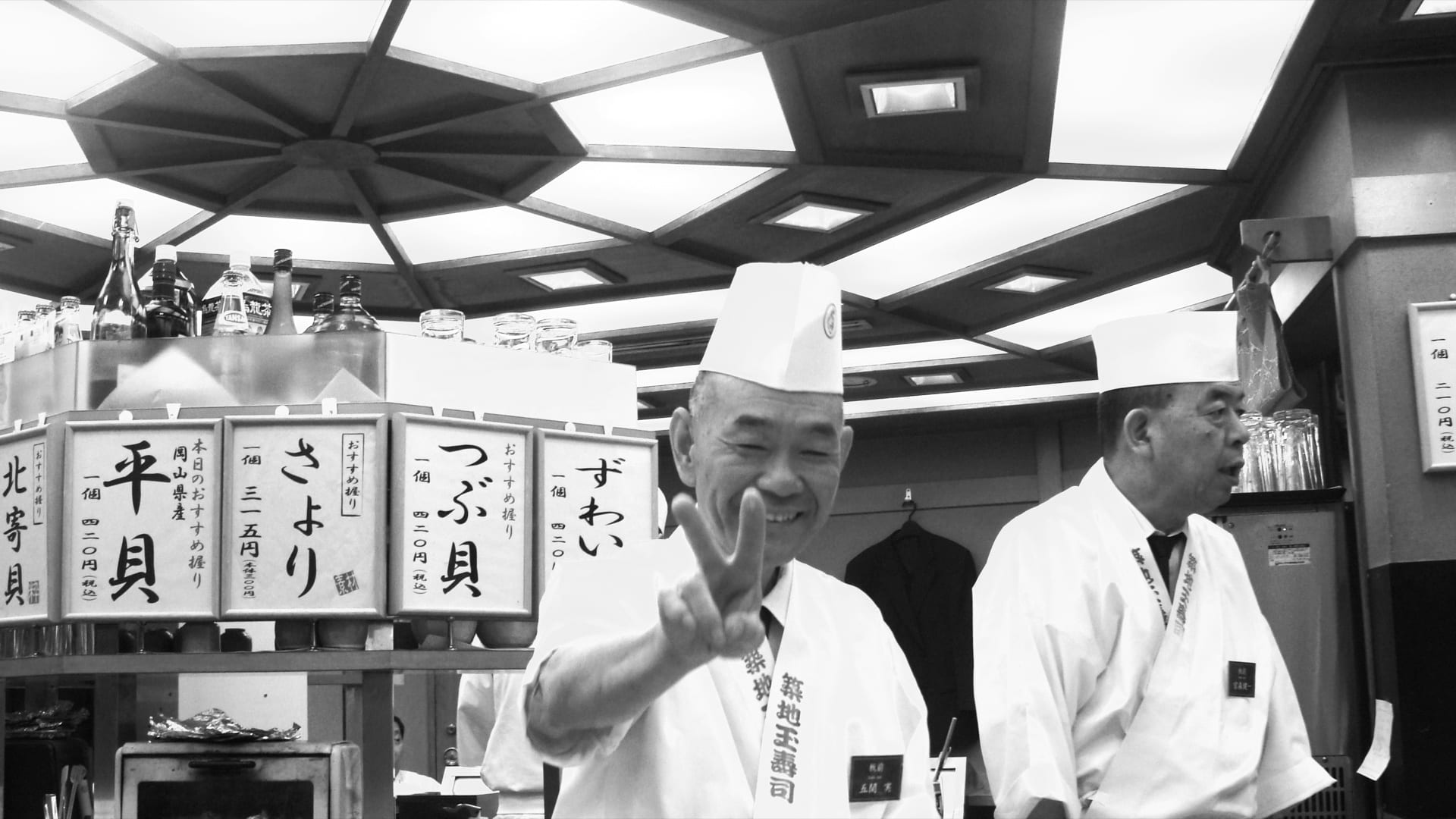
The standard advice is simple: do not tip in Japan. If you leave money on the table, staff will run after you to return it. At best, the gesture is confusing. At worst, it feels condescending to the person receiving it.
But understanding why gets you somewhere more useful than a rule. It changes how you read service interactions in Japan — and why they feel different from what you are used to.
Service as craft, not transaction
In many countries, tipping exists because service workers are paid poorly and tips make up the difference. The economic logic is visible: you tip because the person needs it, and because a good tip reflects good service.
In Japan, the underlying logic is different. Service — omotenashi — is understood as a professional discipline. The person who brings your food, arranges your room, or explains the menu has trained to do that well. Doing it well is their standard, not their upsell.
Offering a tip into this system carries an unintended implication: that their professionalism was somehow conditional, or that you are providing compensation they otherwise lack. Neither of these is how the interaction is understood on their side.
This is not a rigid cultural law. It is more like a mismatch of frames — the tip comes with assumptions that do not translate.
What this looks like in practice
In a restaurant, the bill is settled at the register, not at the table. There is no expectation of a percentage, no awkward moment where you calculate and leave cash. You pay what is on the bill.
At a ryokan, room service — tea, towels, meal delivery — is part of what you have paid for. The staff member who brings your tray is not doing something extra. They are doing their job.
At the end of a fine dinner, or after exceptional service at a traditional inn, the impulse to express gratitude is real. The appropriate form is verbal — a sincere thank-you, perhaps with a small bow, is received as the genuine gesture it is.
The one exception worth knowing
Some ryokans have a tradition of offering a small envelope (pochibukuro) of money to the attendant who personally serves you — particularly at high-end establishments where a single attendant takes care of your room throughout the stay.
This is not tipping in the Western sense. It is a formalized expression of appreciation, given in an envelope, often before the stay rather than after. The amount and manner are specific to the context.
If you are staying somewhere that follows this tradition, the staff or the ryokan’s website will usually indicate it. It is not expected or necessary at most places.
What actually expresses gratitude in Japan
Beyond a sincere verbal thank-you, the things that register as appreciation in Japan are often quieter than what visitors expect:
- Finishing your food (particularly relevant at traditional inns where a chef has prepared a multi-course meal)
- Following the rhythm of the space — removing shoes, handling items carefully, not disrupting the atmosphere
- Learning and using a few words in Japanese, however imperfectly
None of these are transactional. They signal that you understood where you were and tried to meet it.
In most service contexts in Japan, these are the things that matter most.