JapanLore
The small moments that don't quite add up when you first encounter Japan. Folklore, shrines, place names, everyday gestures — we put the context behind them into words, one piece at a time.

Temples / Buddhas / Buddhism
Who Are the Buddhas You Meet at Japanese Temples? — Buddhas, Bodhisattvas, Wisdom Kings, and Devas
A gentle introduction to the figures you encounter inside Japanese Buddhist temples. The four broad layers — Buddha (Nyorai), Bodhisattva (Bosatsu), Wisdom King (Myōō), and Deva (Tenbu) — in plain language.
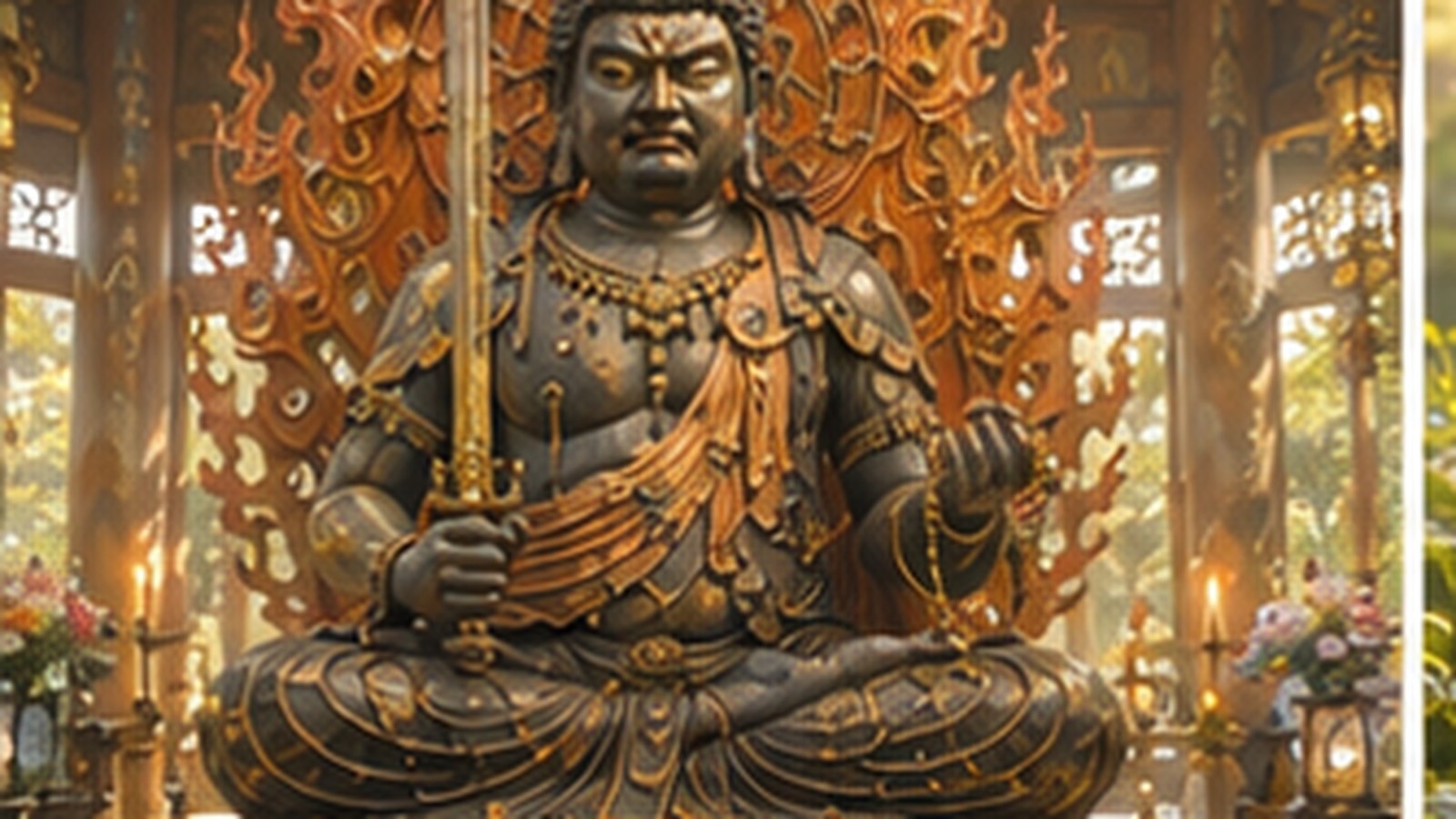
Temples / Buddhas / Myōō
Who Is Aizen Myōō?
The red-skinned, six-armed Wisdom King who turns the most warned-against emotion in Buddhism — desire — into awakening. A distinctive Esoteric figure venerated for love, marriage, and the dyeing trades.
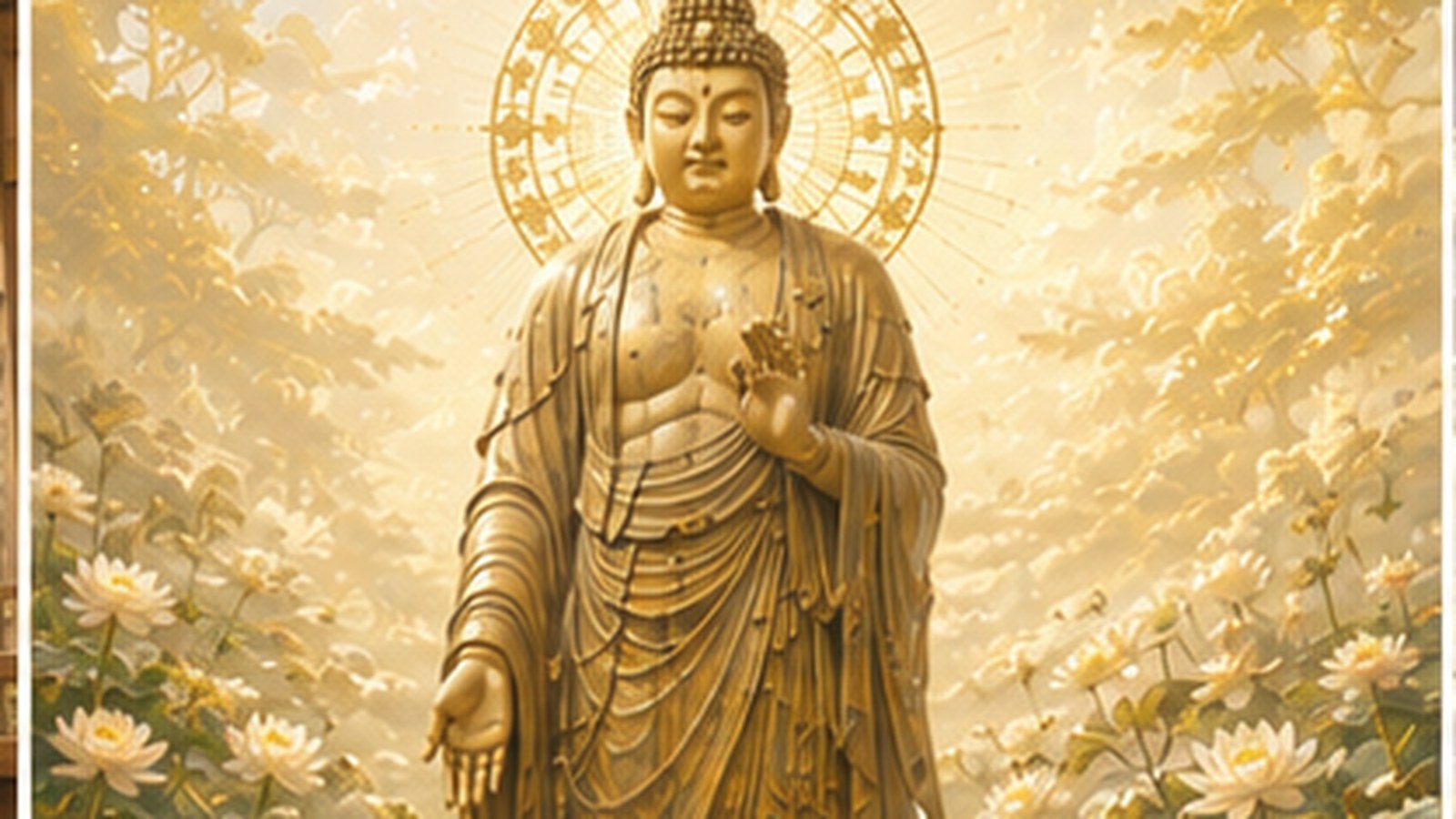
Temples / Buddhas / Nyorai
Who Is Amida Buddha?
The principal Buddha of Pure Land Buddhism, and the most widely enshrined Buddha in Japanese homes. The story of the forty-eight vows and the figure who comes to meet the dying at Byōdō-in and beyond.
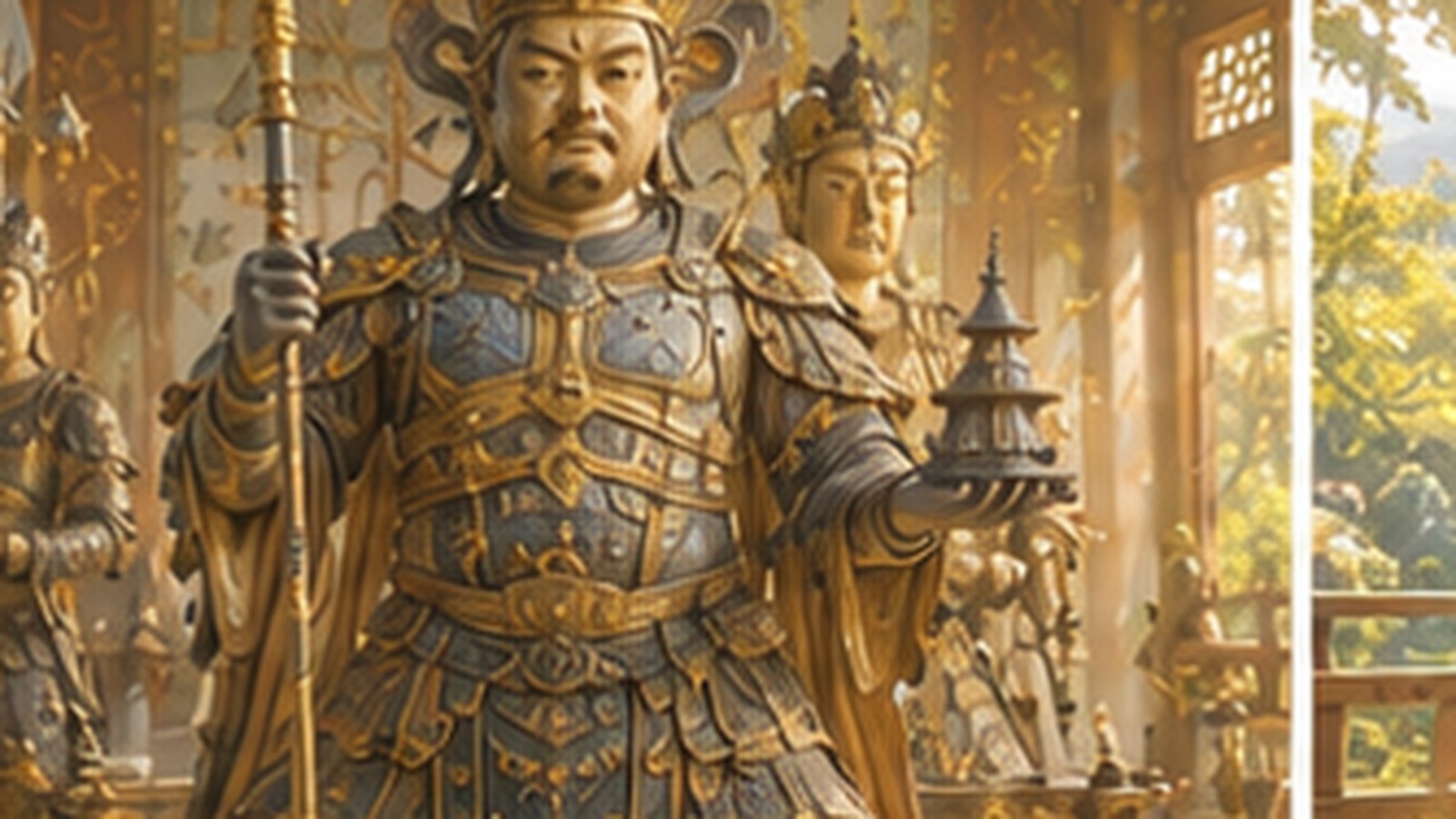
Temples / Buddhas / Tenbu
Who Is Bishamonten?
Armored and lifting a jeweled pagoda, Bishamonten stands as one of the Four Heavenly Kings who guard the Buddhist Law — and as one of the Seven Lucky Gods. A martial protector enshrined at Kurama-dera and Shigi-san.
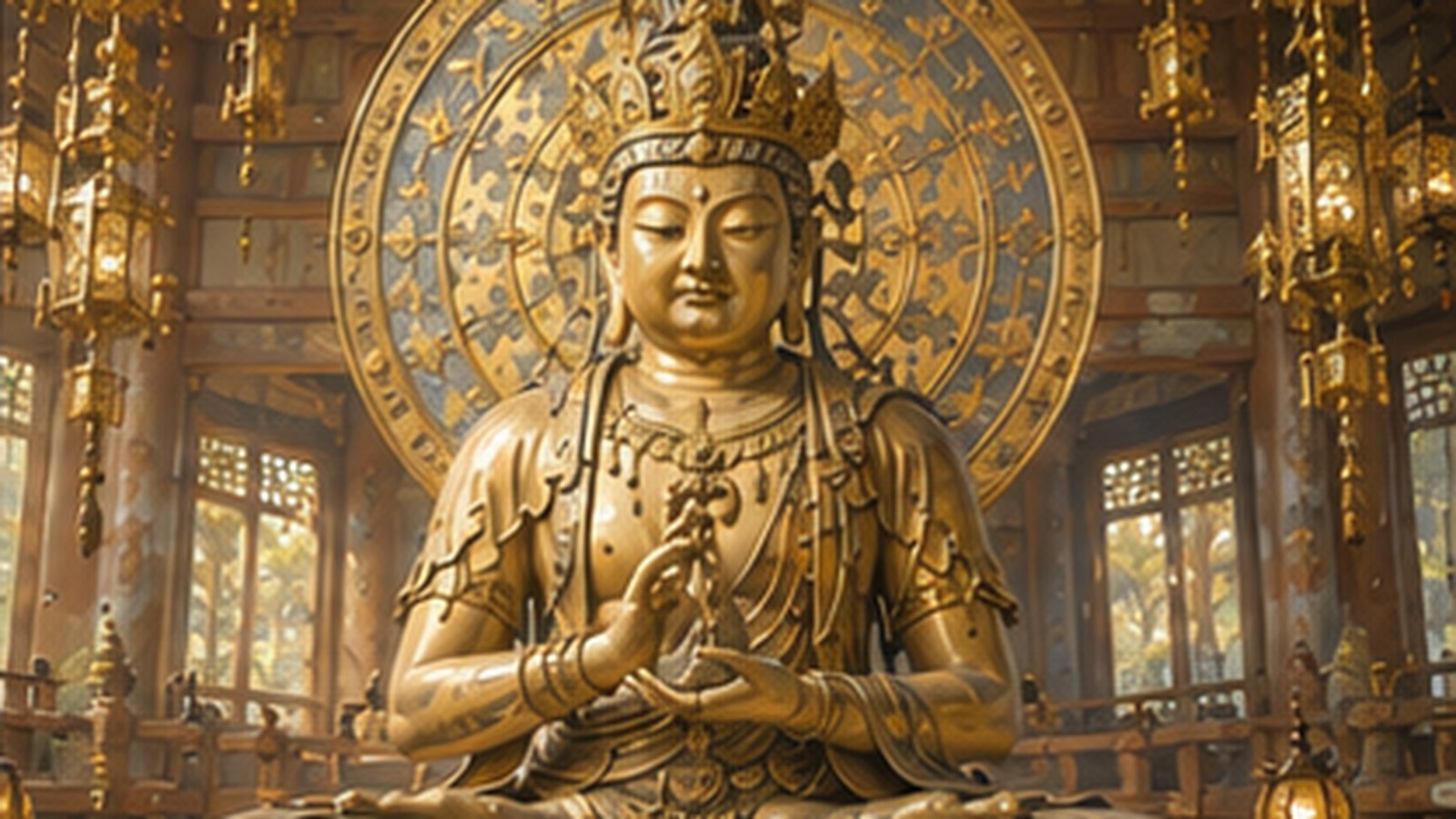
Temples / Buddhas / Nyorai
Who Is Dainichi Buddha?
The cosmic Buddha at the center of Shingon Buddhism. Mahāvairocana embodies the idea that the universe itself is Buddha — and his statues, uniquely among Nyorai, wear princely ornament. Where to find him on Mount Kōya.
Temples / Buddhas / Zen
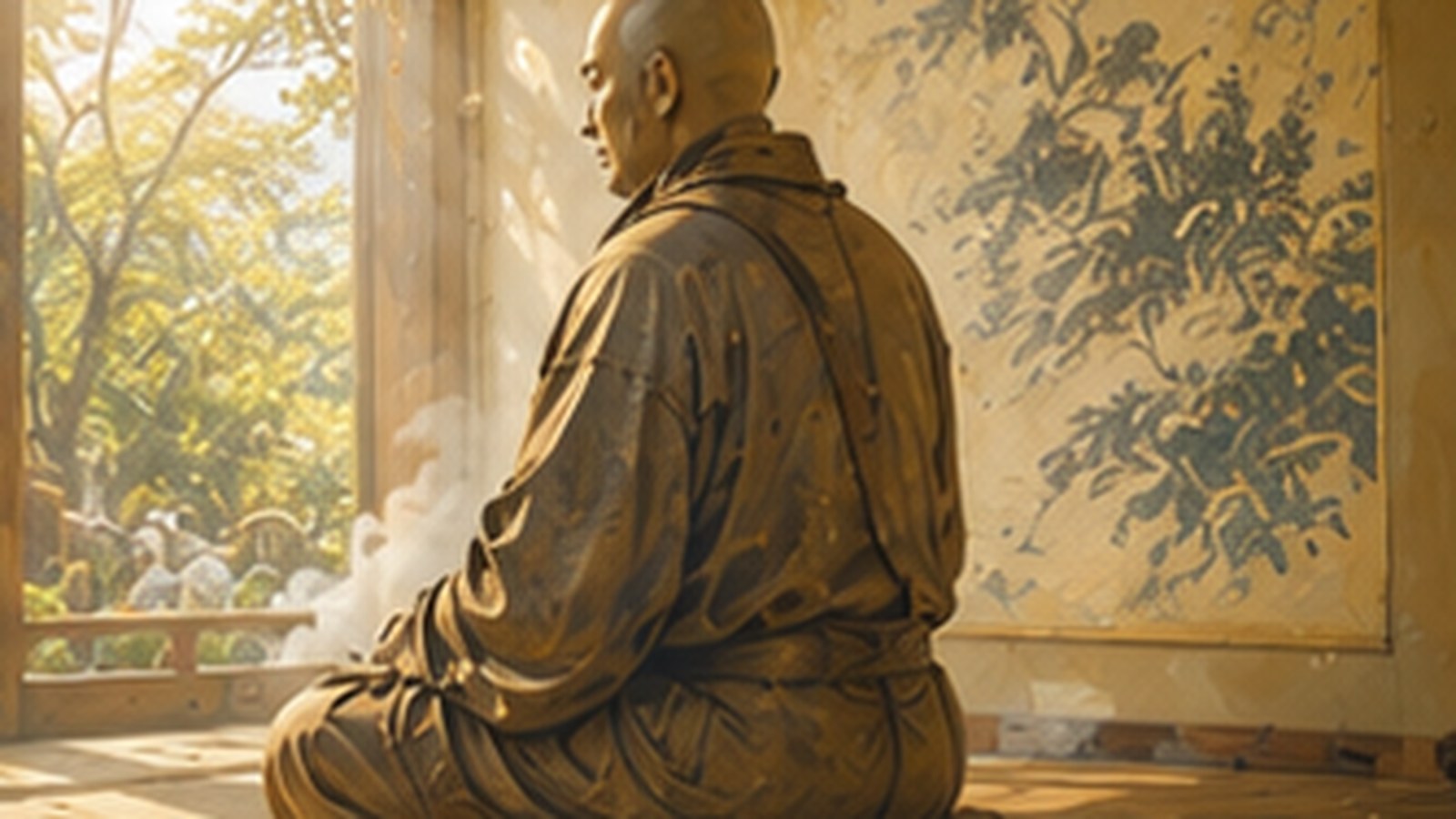
Who Is Bodhidharma (Daruma Daishi)?
The figure transmitted as the founder of Zen. A monk said to have crossed from India to China and to have sat nine years facing a wall — and the origin of the round red Daruma doll that lives all over Japanese New Year.
Temples / Buddhas / Myōō
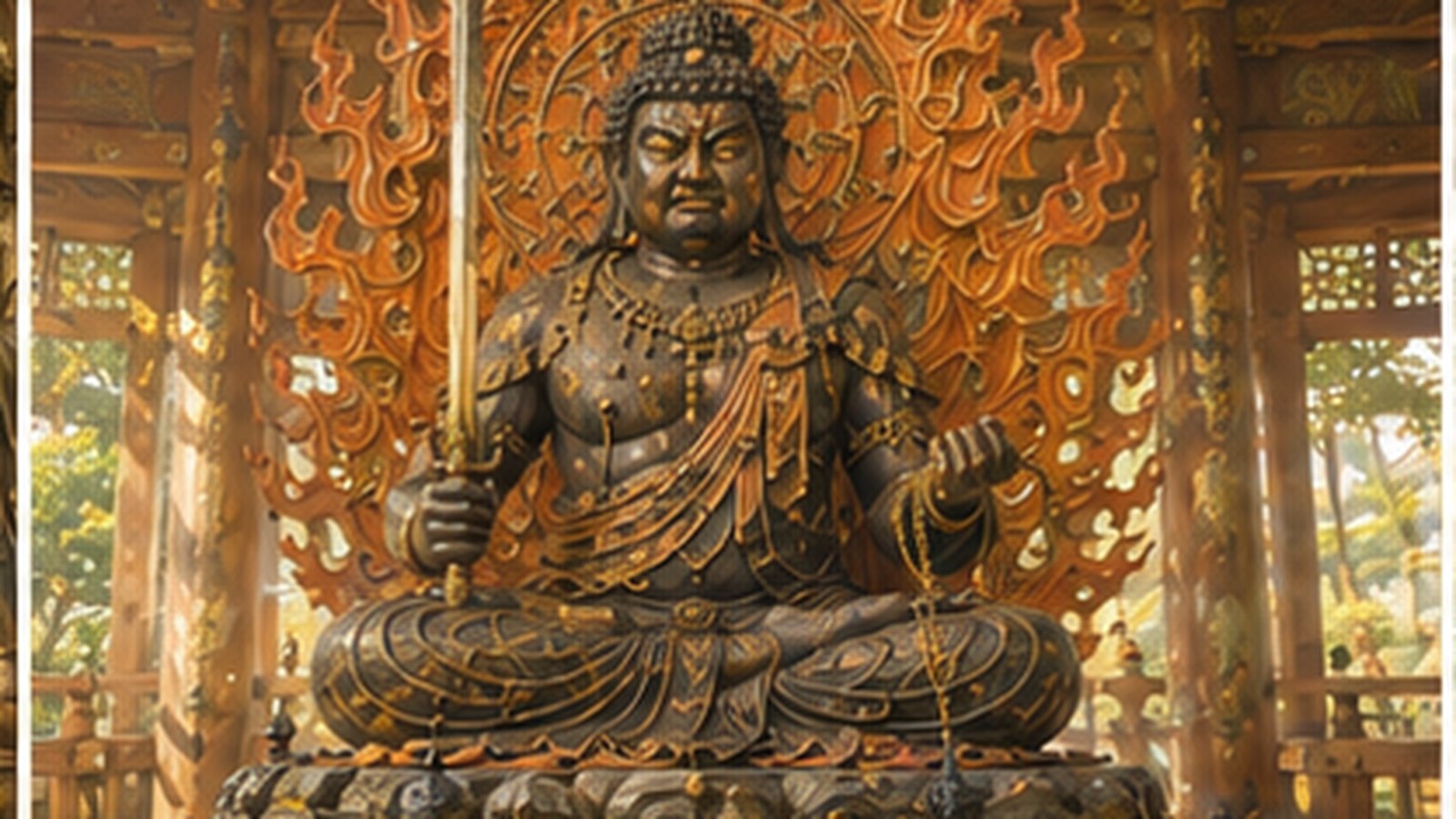
Who Is Fudō Myōō?
The wrathful Wisdom King standing in flames, sword in one hand, rope in the other. His anger is described as compassion turned outward to cut through delusion. The most widely venerated Myōō in Japan.
Temples / Buddhas / Bosatsu
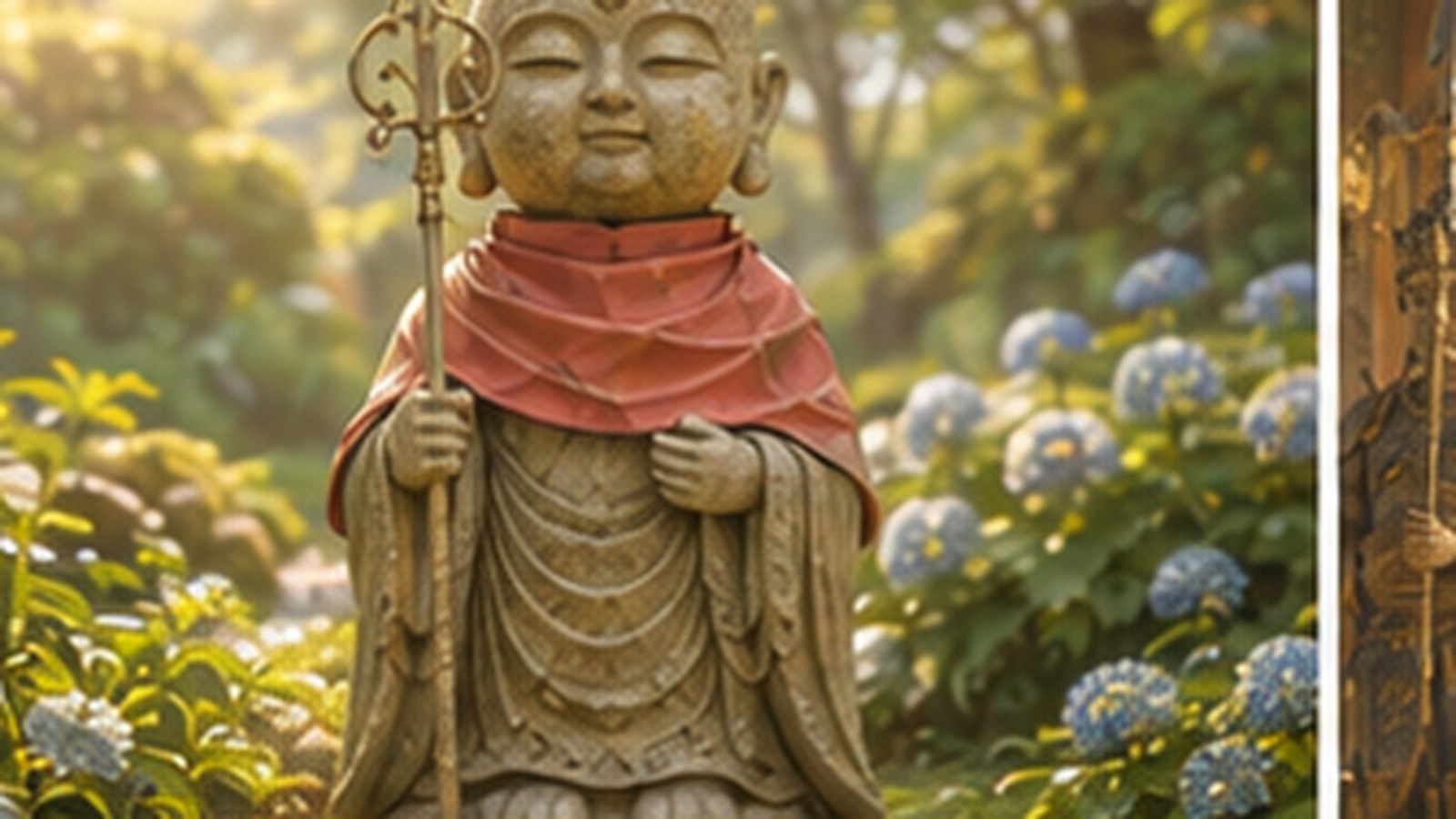
Who Is Jizō Bodhisattva?
The small stone figure with a red bib you see at roadsides, on mountain passes, beside cemeteries. Protector of children, guide of the departed — the bodhisattva closest to ordinary Japanese life.
Temples / Buddhas / Bosatsu
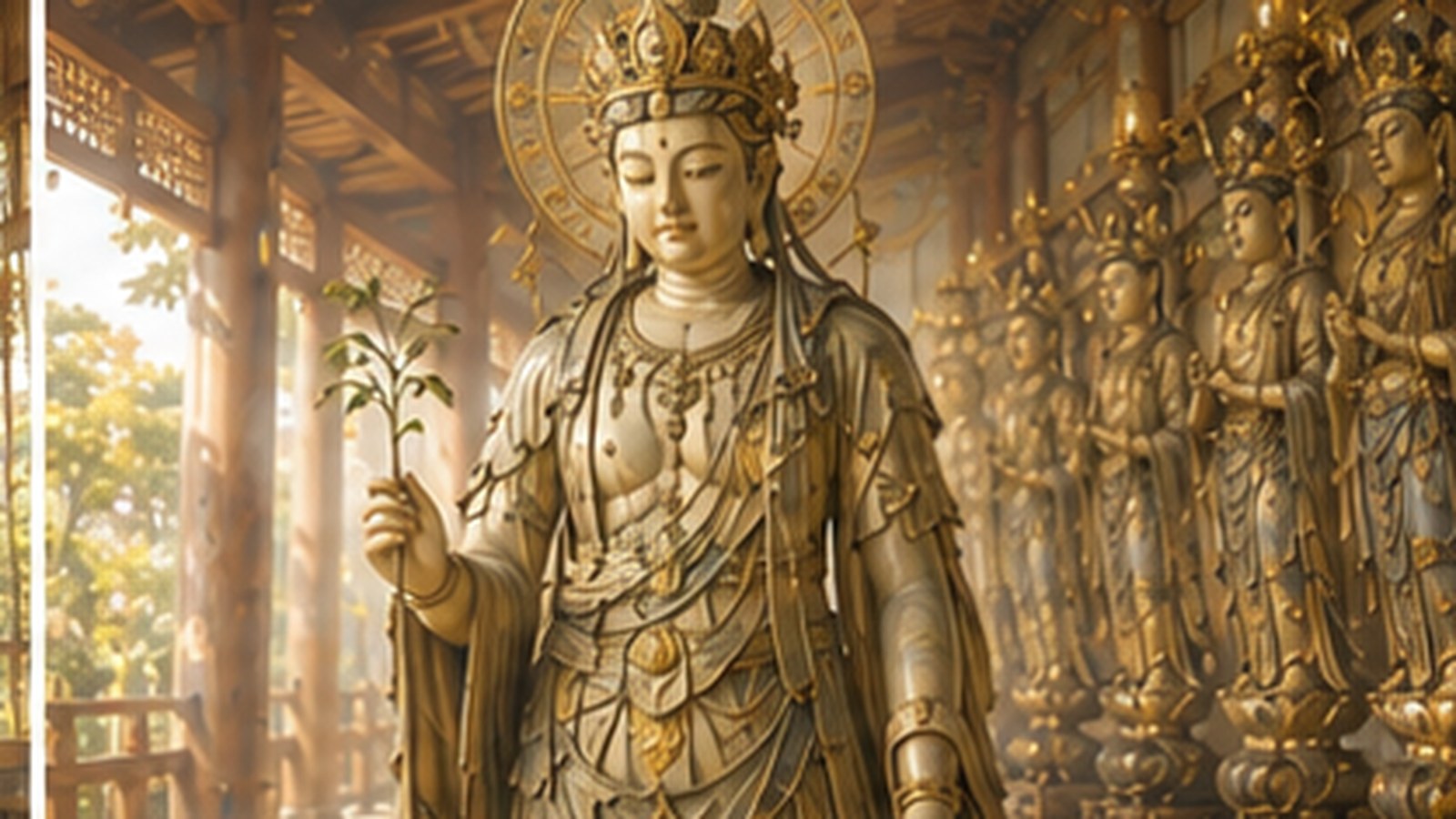
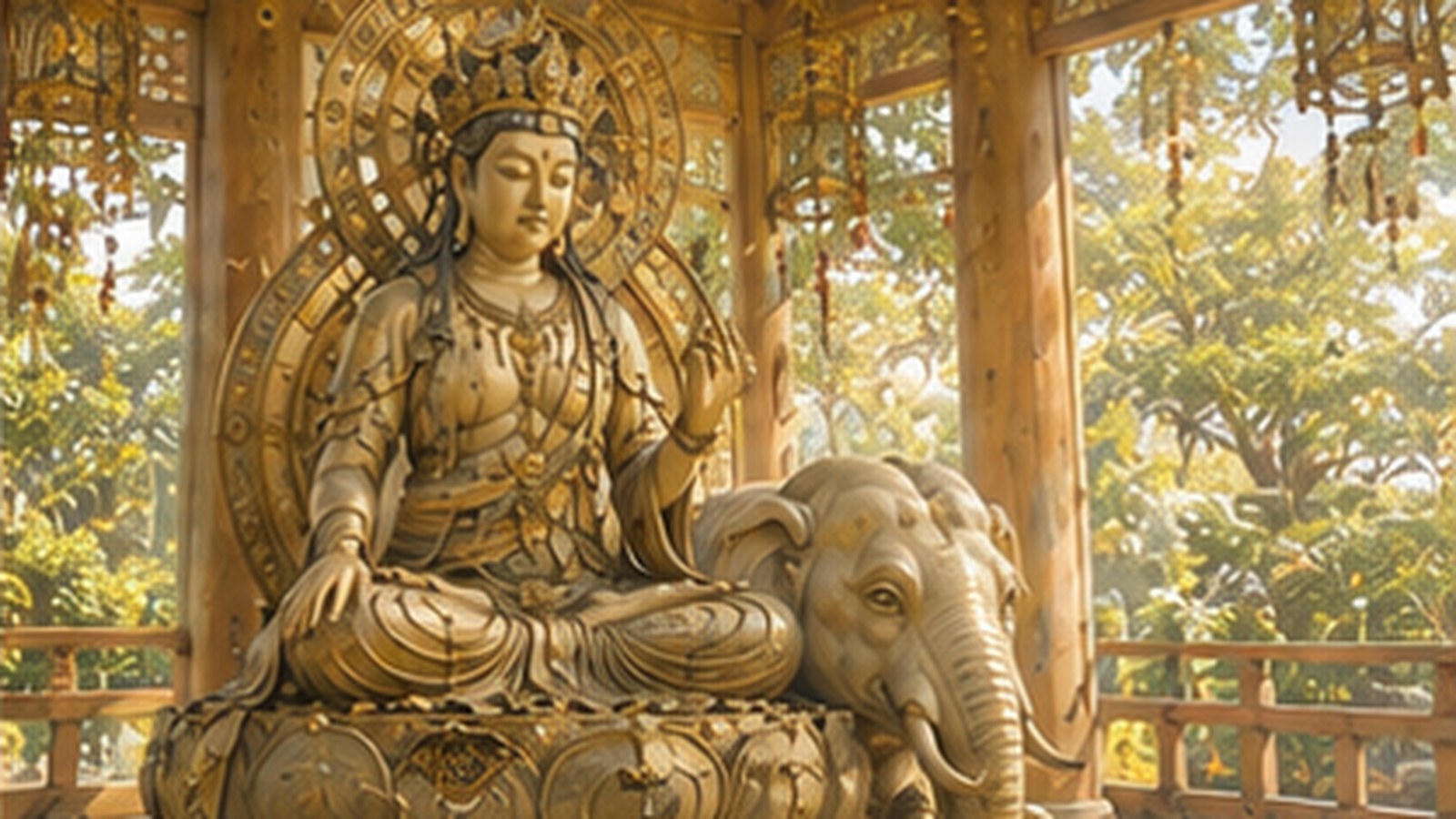
Who Is Kannon Bodhisattva?
The bodhisattva who hears every cry and changes form to meet the one who calls. Thirty-three manifestations, a thousand arms, eleven faces — Kannon is the most widely venerated bodhisattva in Japan.
Temples / Buddhas / Bosatsu
Who Is Miroku Bodhisattva?
The future Buddha — Maitreya, said to descend to this world 5.67 billion years after Shakyamuni. The famous half-seated thinking figure at Kōryū-ji in Kyoto captures him mid-contemplation.
Temples / Buddhas / Bosatsu
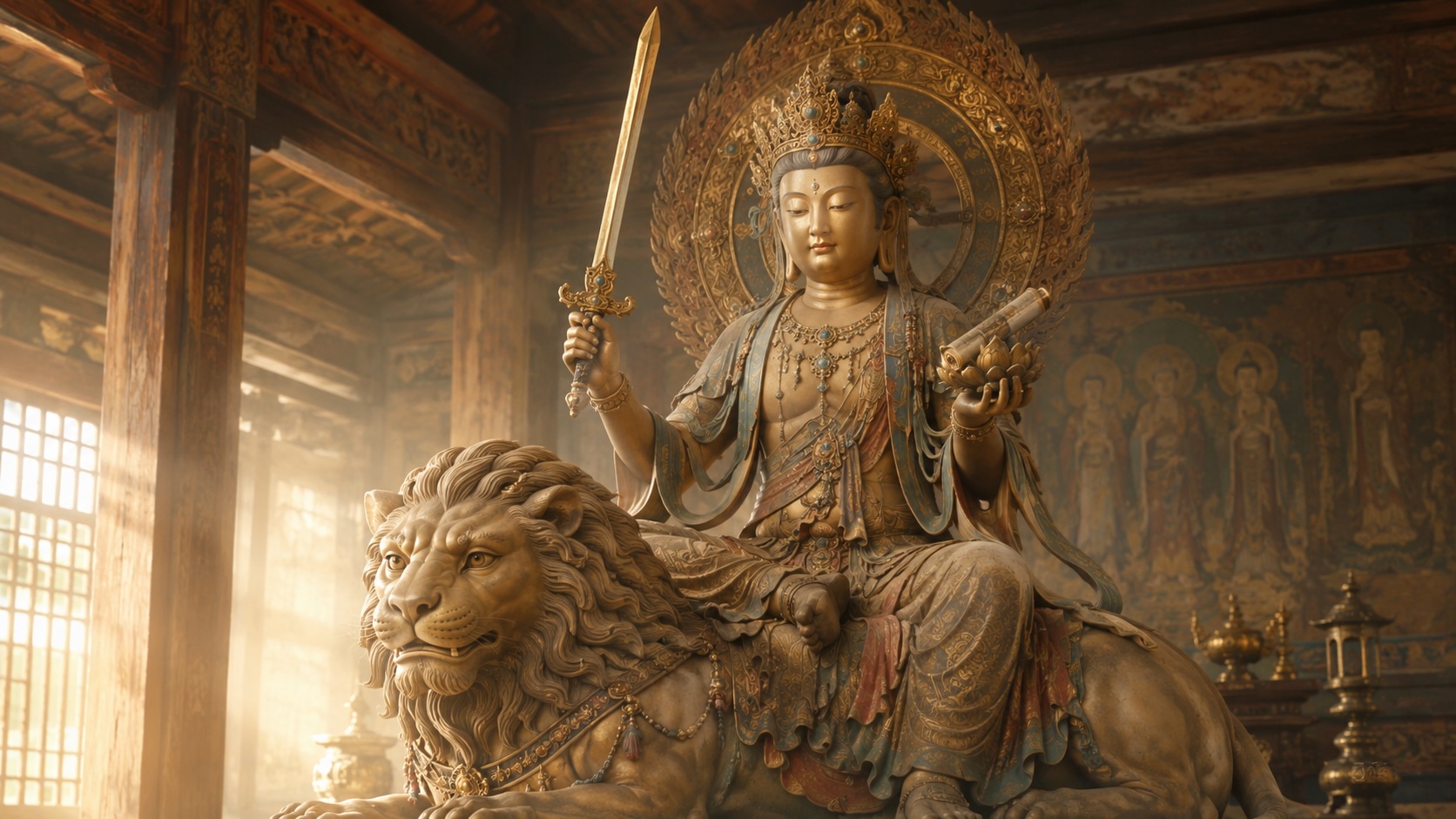
Who Is Monju Bodhisattva?
The bodhisattva of wisdom, mounted on a lion, sword in hand. Known to anyone who's heard the proverb 'three heads together make Monju's wisdom' — the figure students still pray to before exams in Japan.
Temples / Buddhas / Nyorai
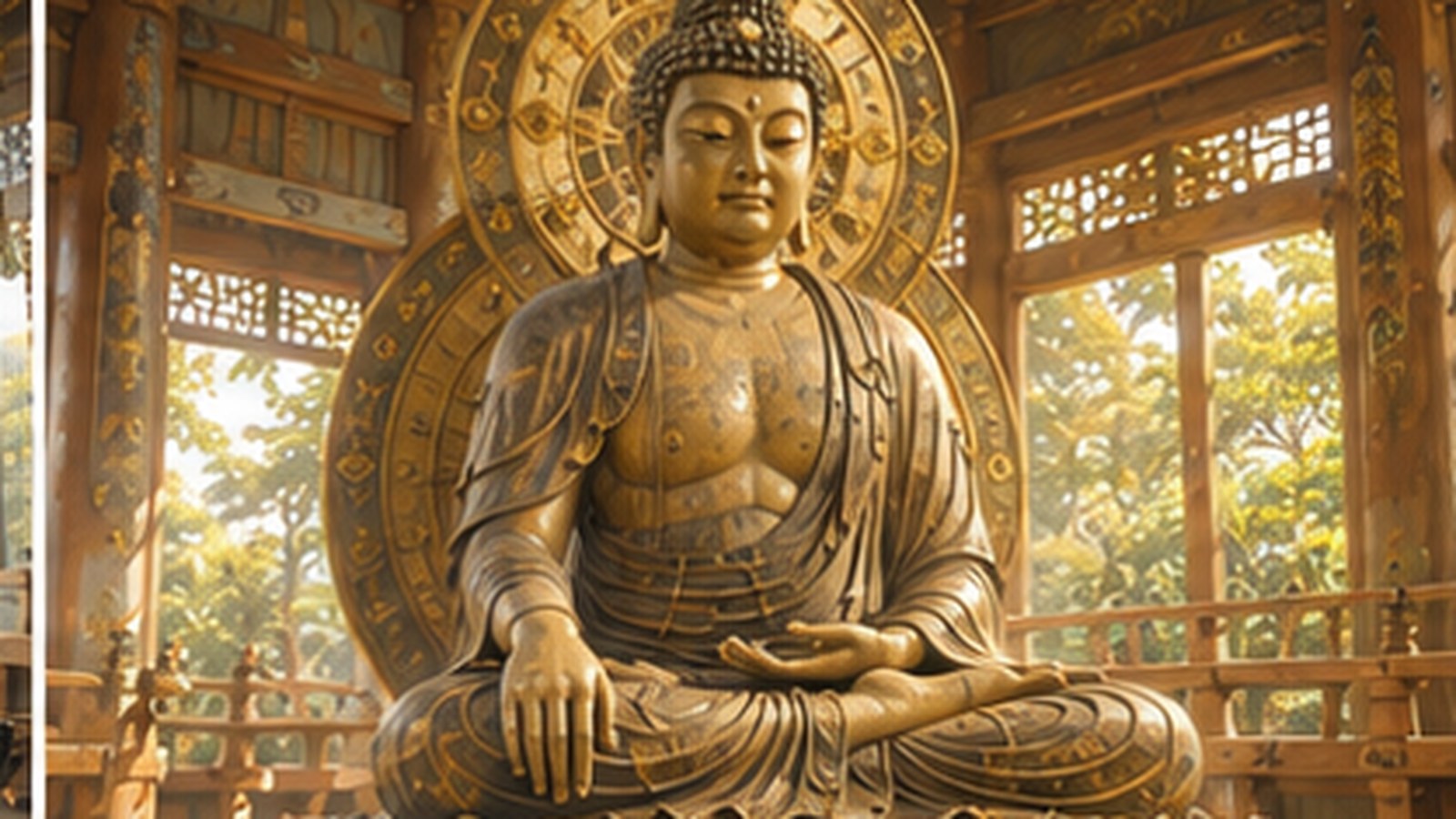
Who Is Shakyamuni Buddha?
The founder of Buddhism, depicted in his post-awakening form. Enshrined as the principal Buddha at Zen head temples like Sōji-ji in Yokohama, his quiet seated figure stands at the starting point of all Buddhist tradition.
Temples / Buddhas / Nyorai
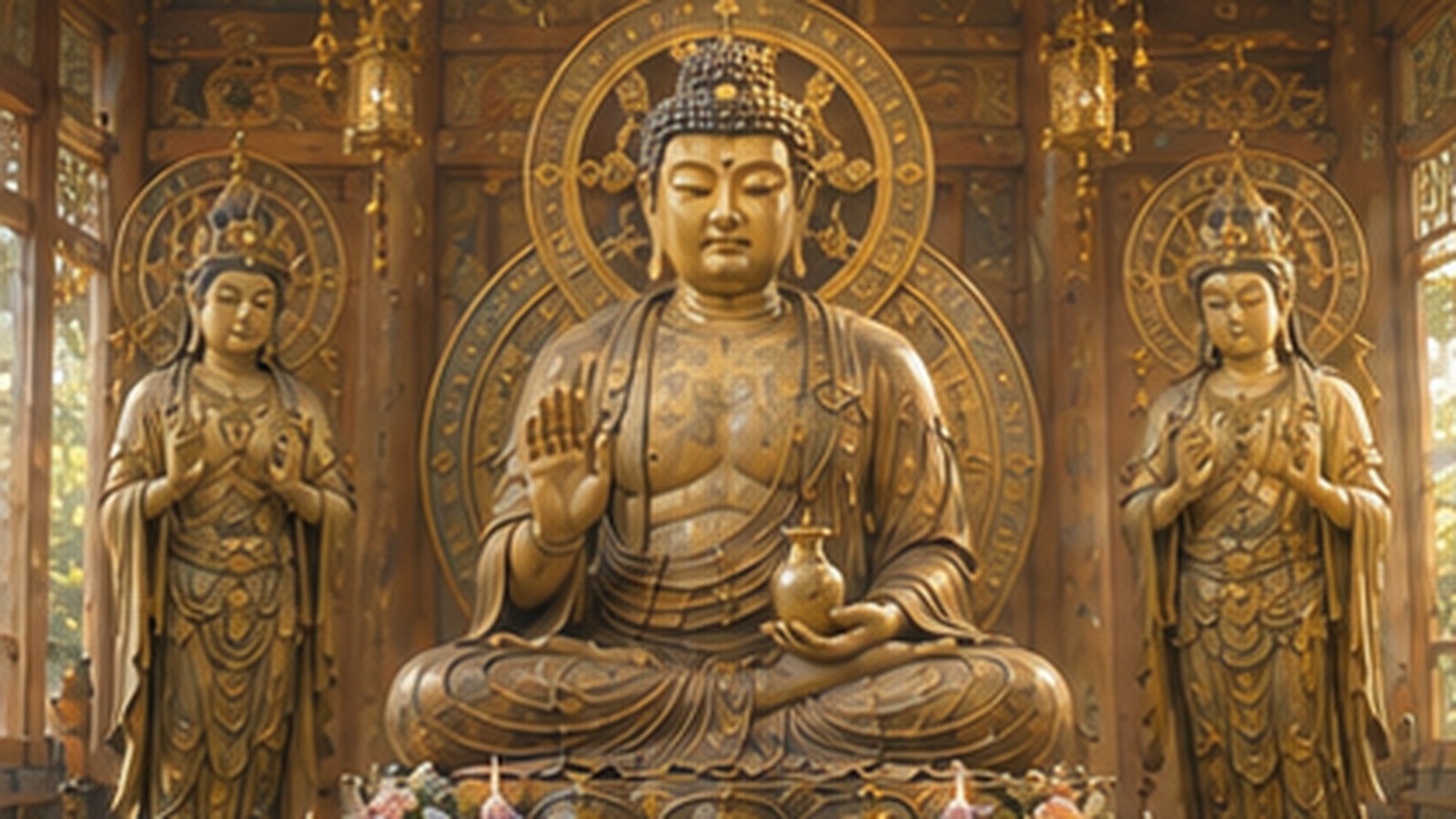
Who Is Yakushi Buddha?
The Medicine Buddha — the Buddha who heals illness and removes suffering of the body. Identifiable by the small medicine jar in his left hand, found at Yakushi-ji and across Japan.
Shrines / Gods / Kojiki
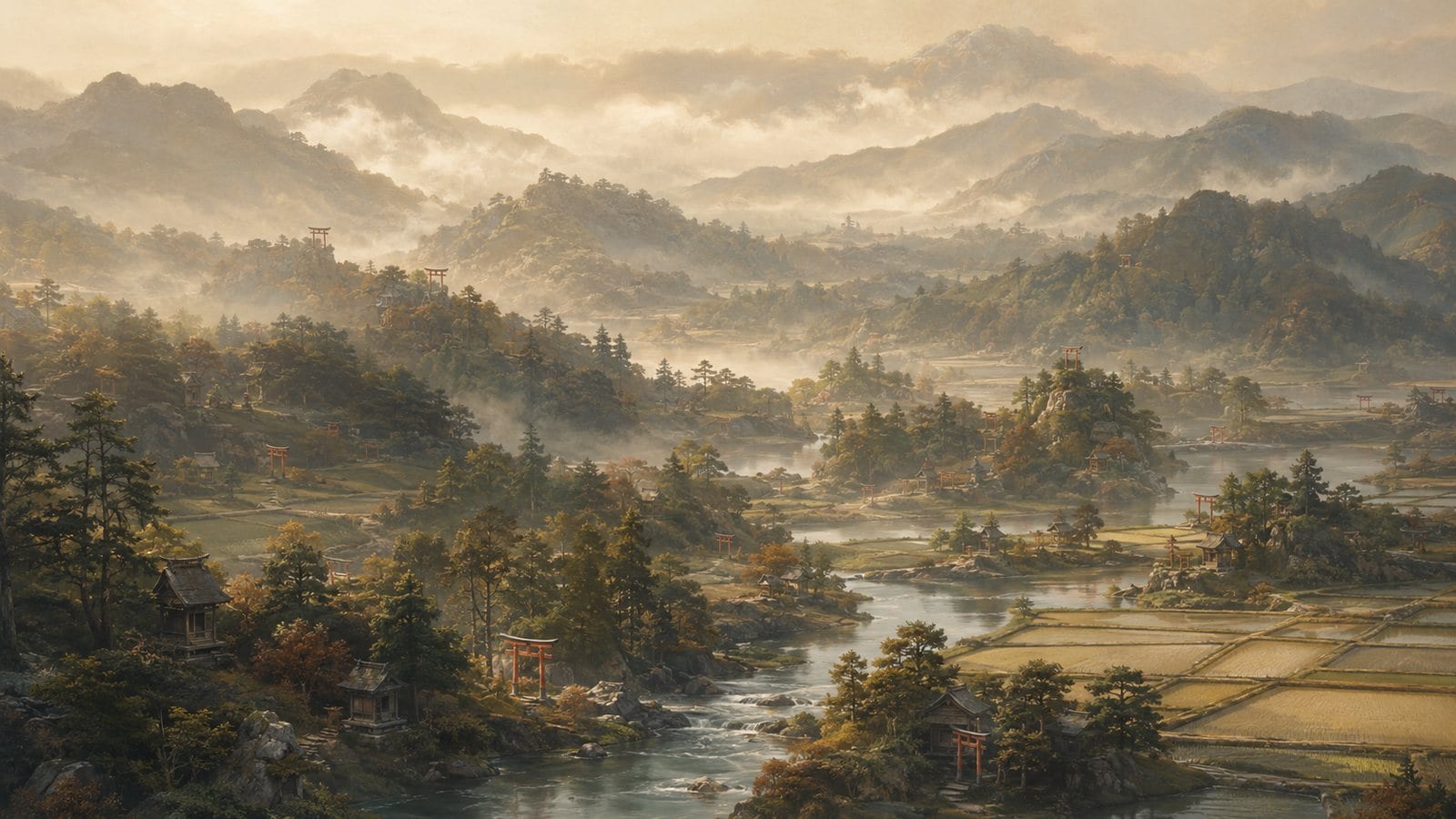
How Many Gods Are There in Japan? — What 'Yaoyorozu' Really Means
Japan is often described as having 'eight million gods.' That number isn't literal. A short introduction to who these gods are, where they live, and how to start meeting them at shrines.
Shrines / Gods / Kojiki
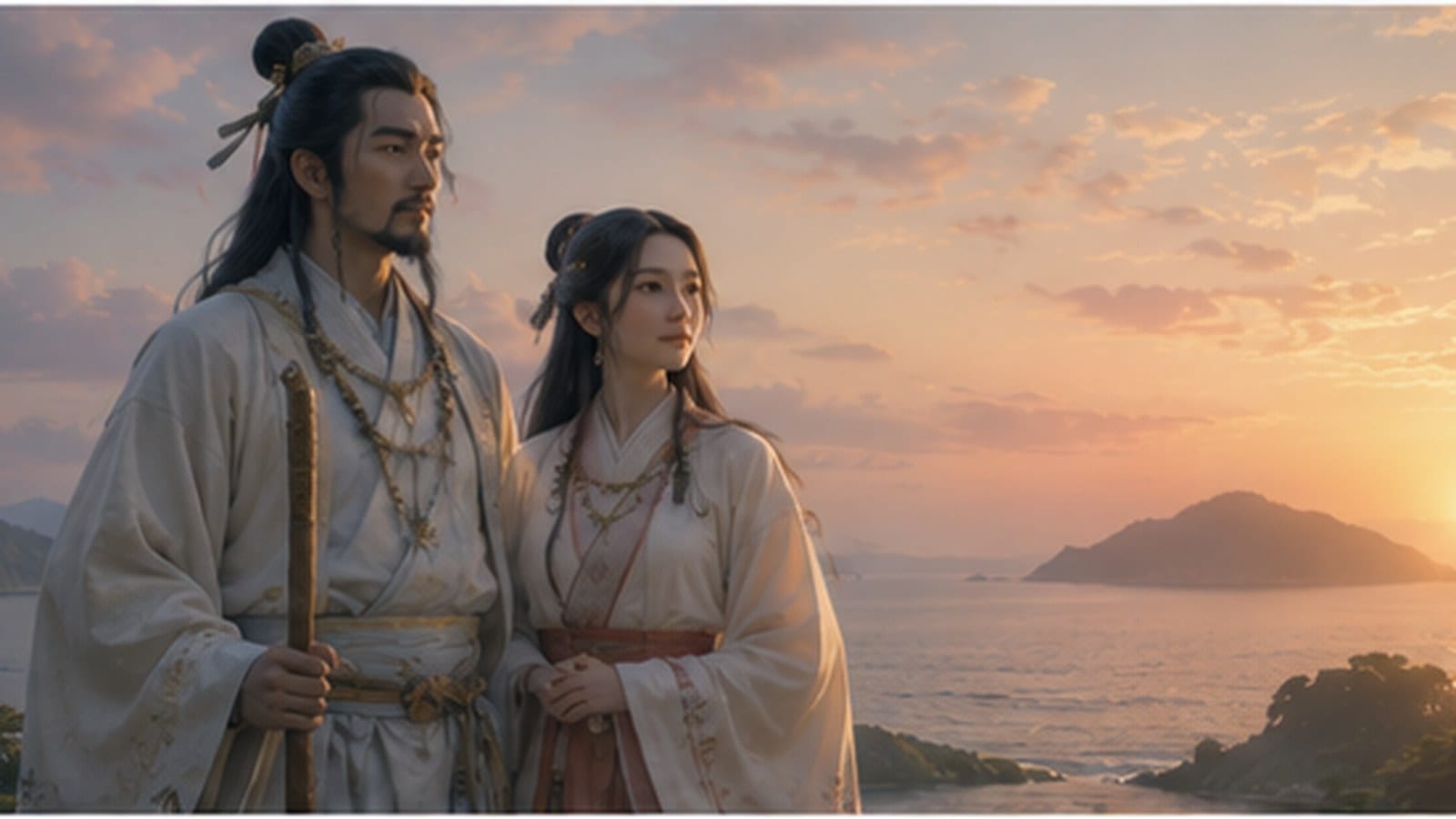
Who Are Izanagi and Izanami?
The husband-and-wife pair at the very beginning of Japan's mythology. The Kojiki tells the story of how they made the islands together — and how they were parted by death.
Shrines / Gods / Kojiki
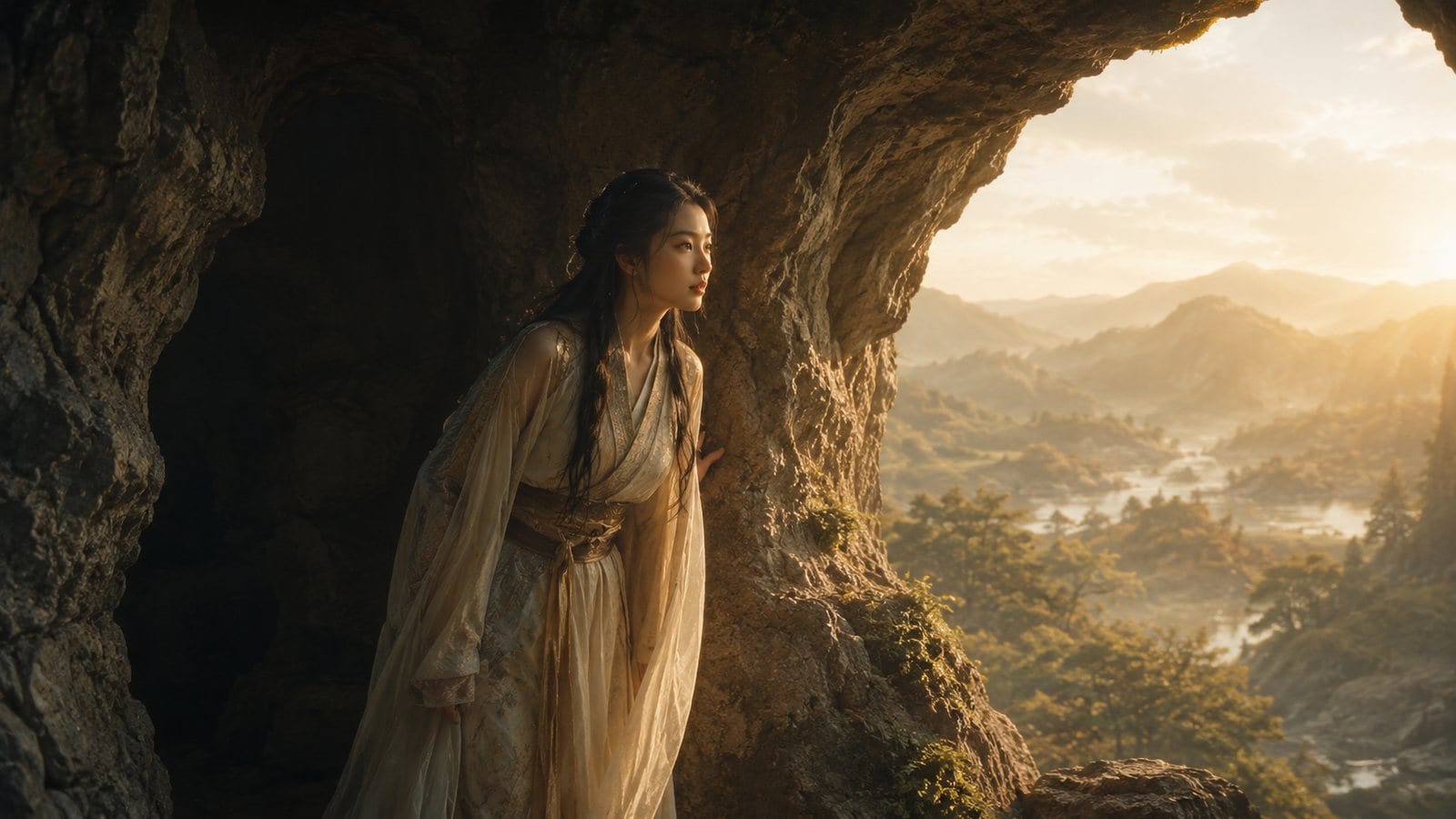
Who Is Amaterasu?
Amaterasu, the sun goddess enshrined at Ise, is one of Japan's central kami. But the Kojiki also describes her as someone who was hurt by her brother and hid in a cave. A look at her personality, and where you can meet her today.
Shrines / Gods / Kojiki
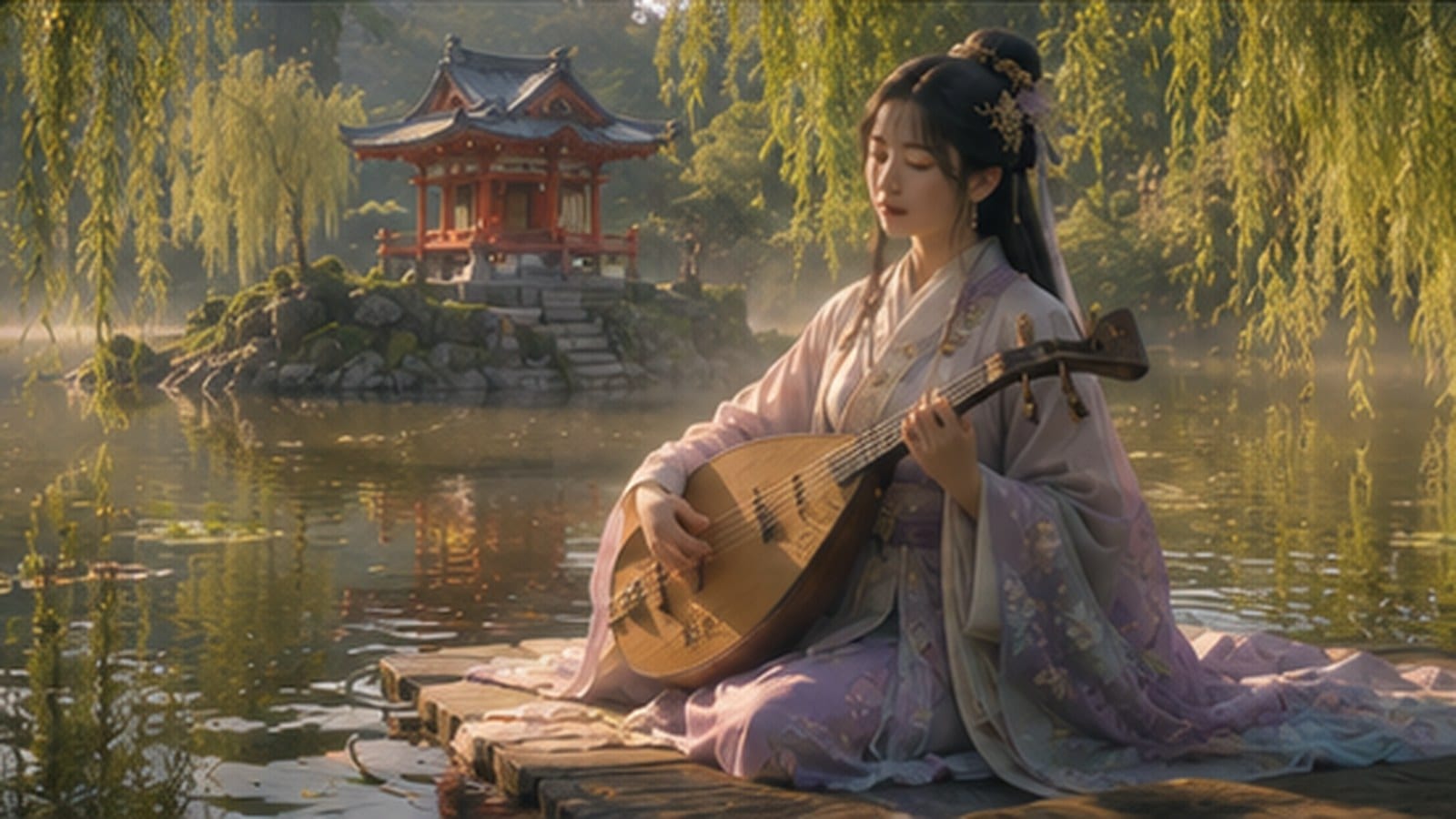
Who Is Benzaiten?
The only goddess among the Seven Lucky Gods. Benzaiten holds a biwa and is enshrined near water — a kami of music, eloquence, and water, who came from India and was welcomed into Japan's pantheon.
Shrines / Gods / Kojiki
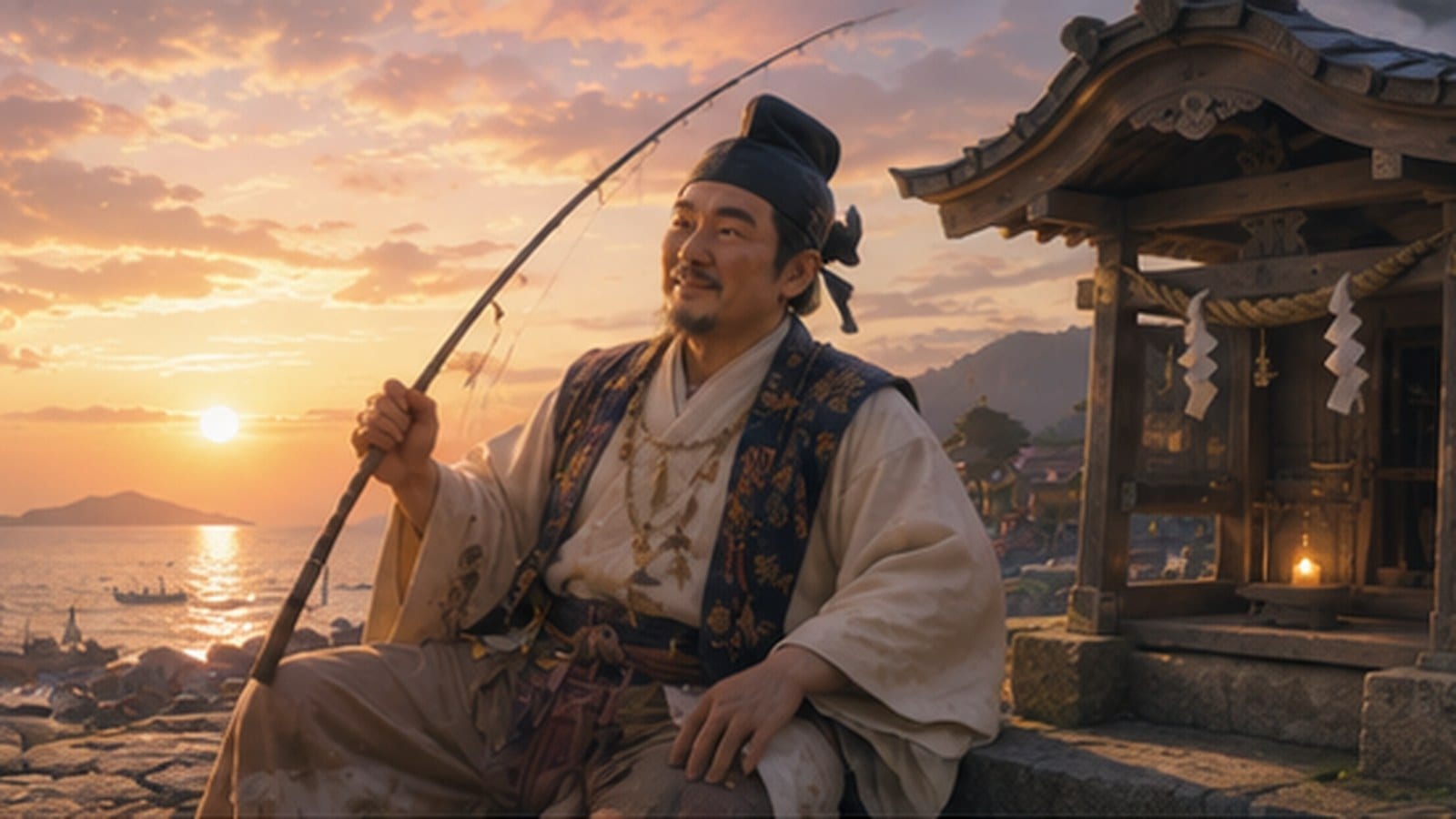
Who Is Ebisu?
Ebisu, one of the Seven Lucky Gods, is known as the cheerful kami of fishing and prosperity, holding a sea bream and a fishing rod. His mythological origin, surprisingly, begins with a child set adrift on the sea.
Shrines / Gods / Kojiki
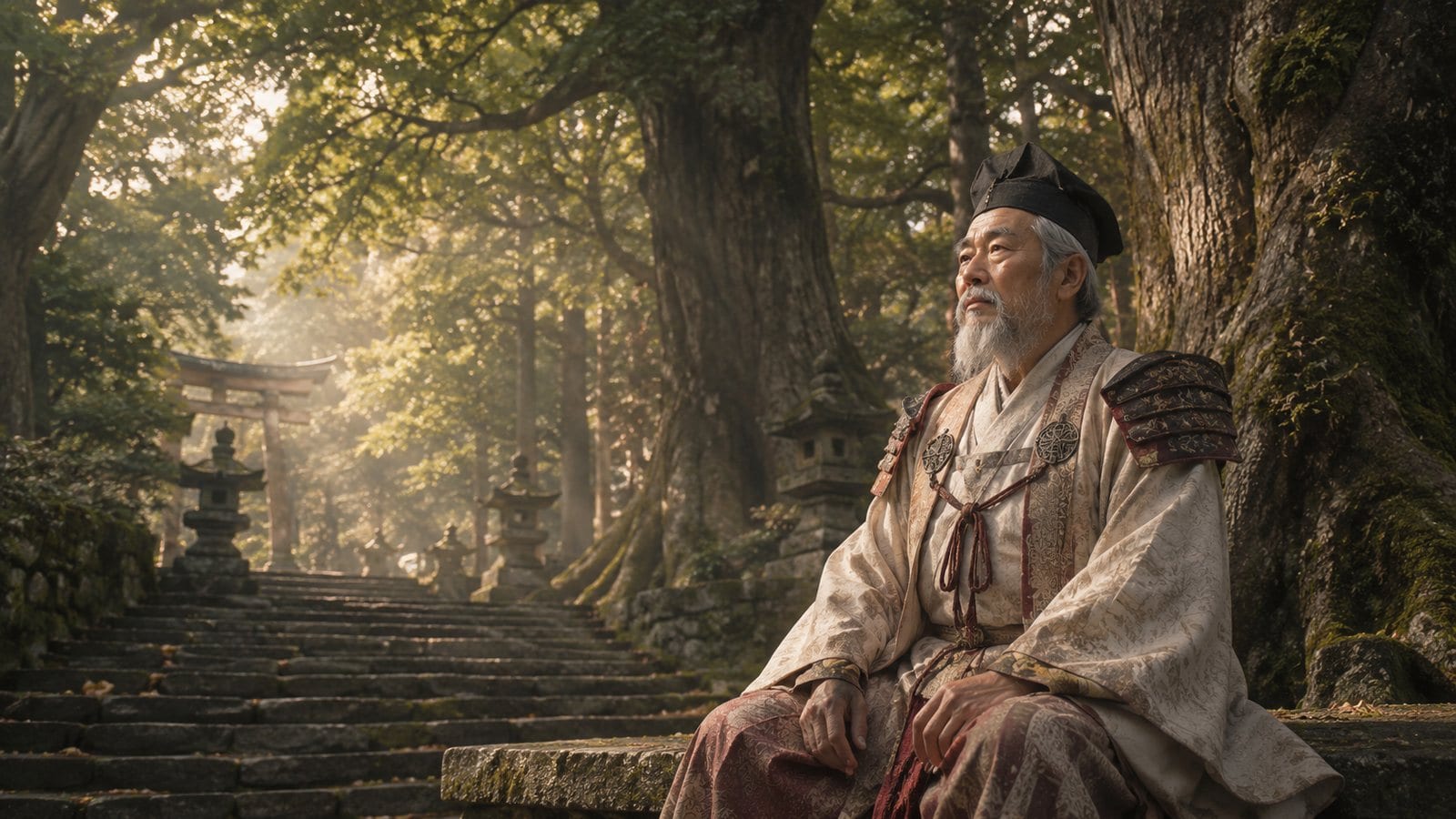
Who Is Hachiman?
There are over 40,000 Hachiman shrines across Japan. Hachiman is known as a god of warriors, but is also worshipped as a protector of children and families. A look at the figure behind those familiar gates.
Shrines / Gods / Kojiki
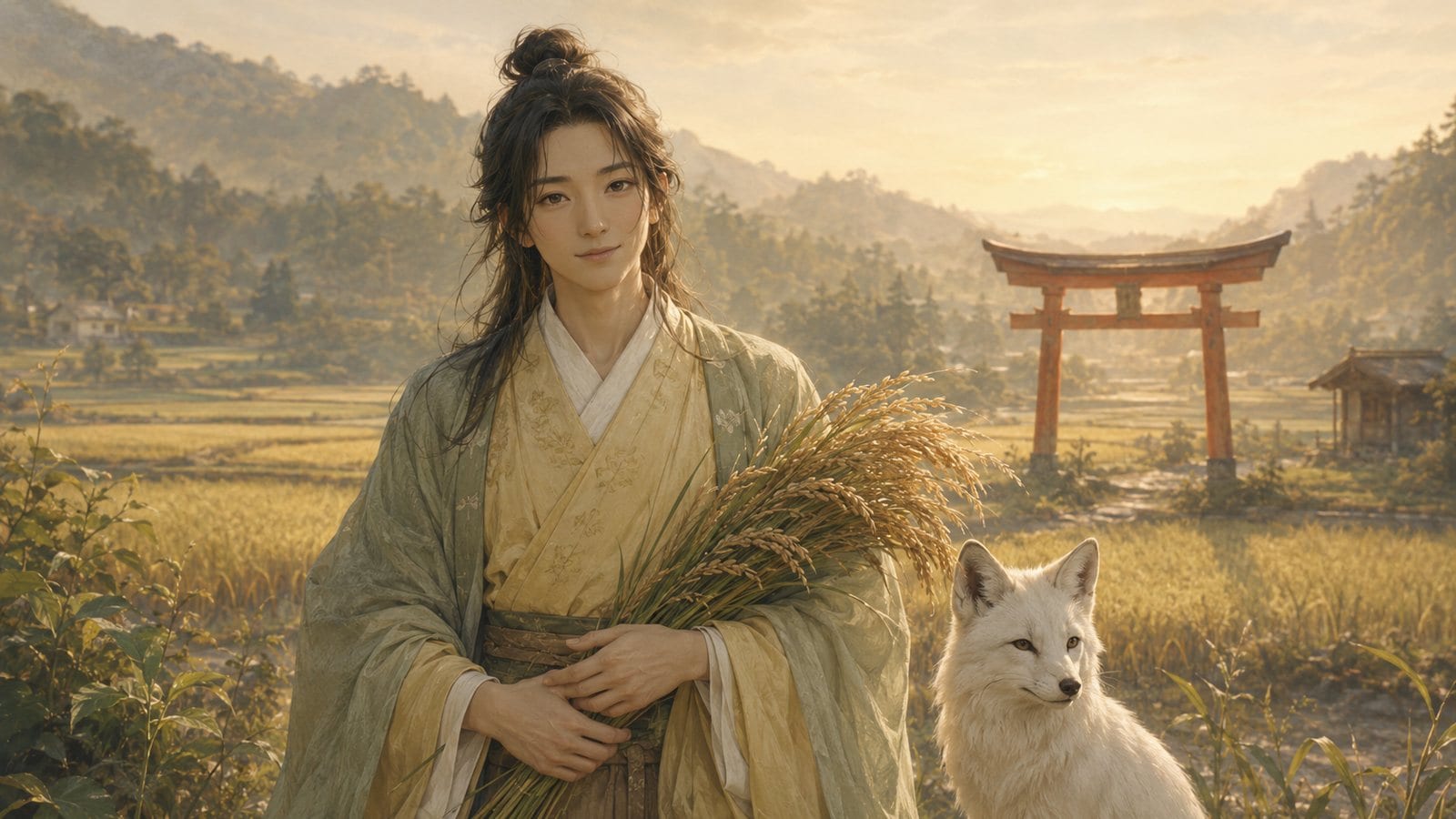
Who Is Inari? — Ukanomitama and the Foxes
The red torii gates and fox statues you see at shrines across Japan belong to Inari. The kami at the center of that worship is Ukanomitama. A short look at the figure behind one of Japan's most familiar shrine scenes.
Shrines / Gods / Kojiki
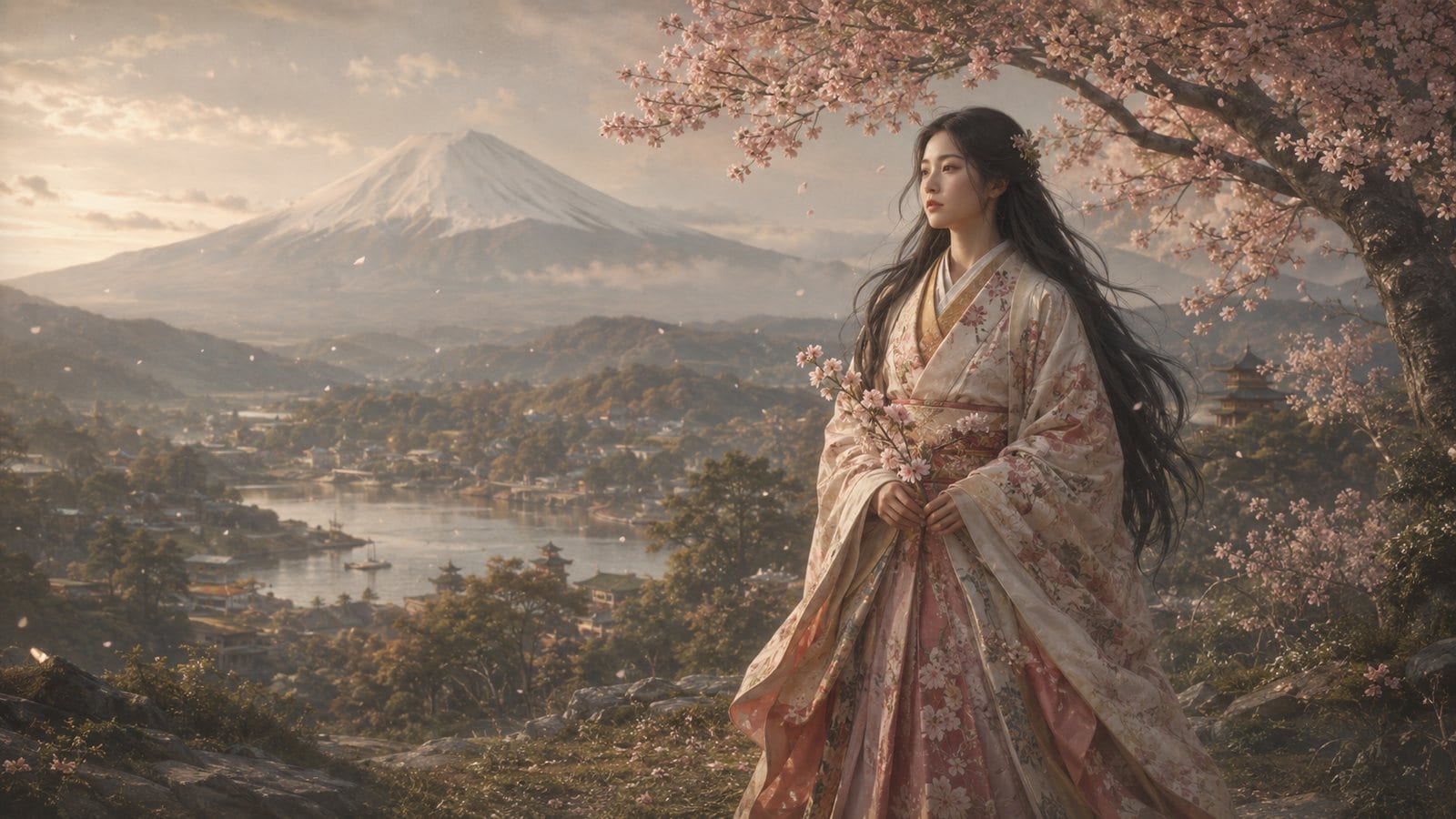
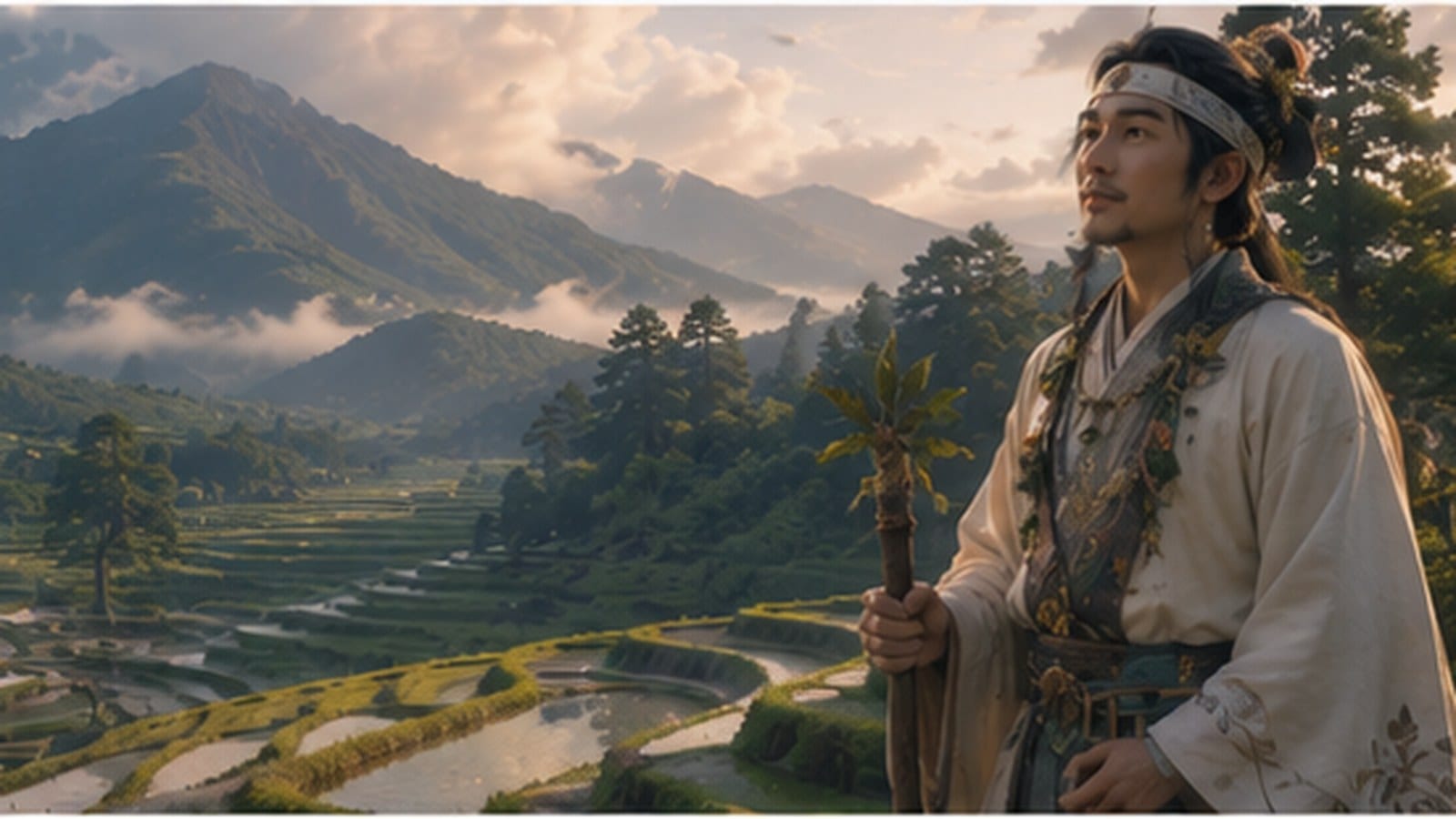
Who Is Konohanasakuya-hime?
The goddess enshrined at Mount Fuji. Her name means 'blooming like cherry blossoms,' but the Kojiki tells the story of a goddess who chose to give birth inside a burning hut to prove her honesty.
Shrines / Gods / Kojiki
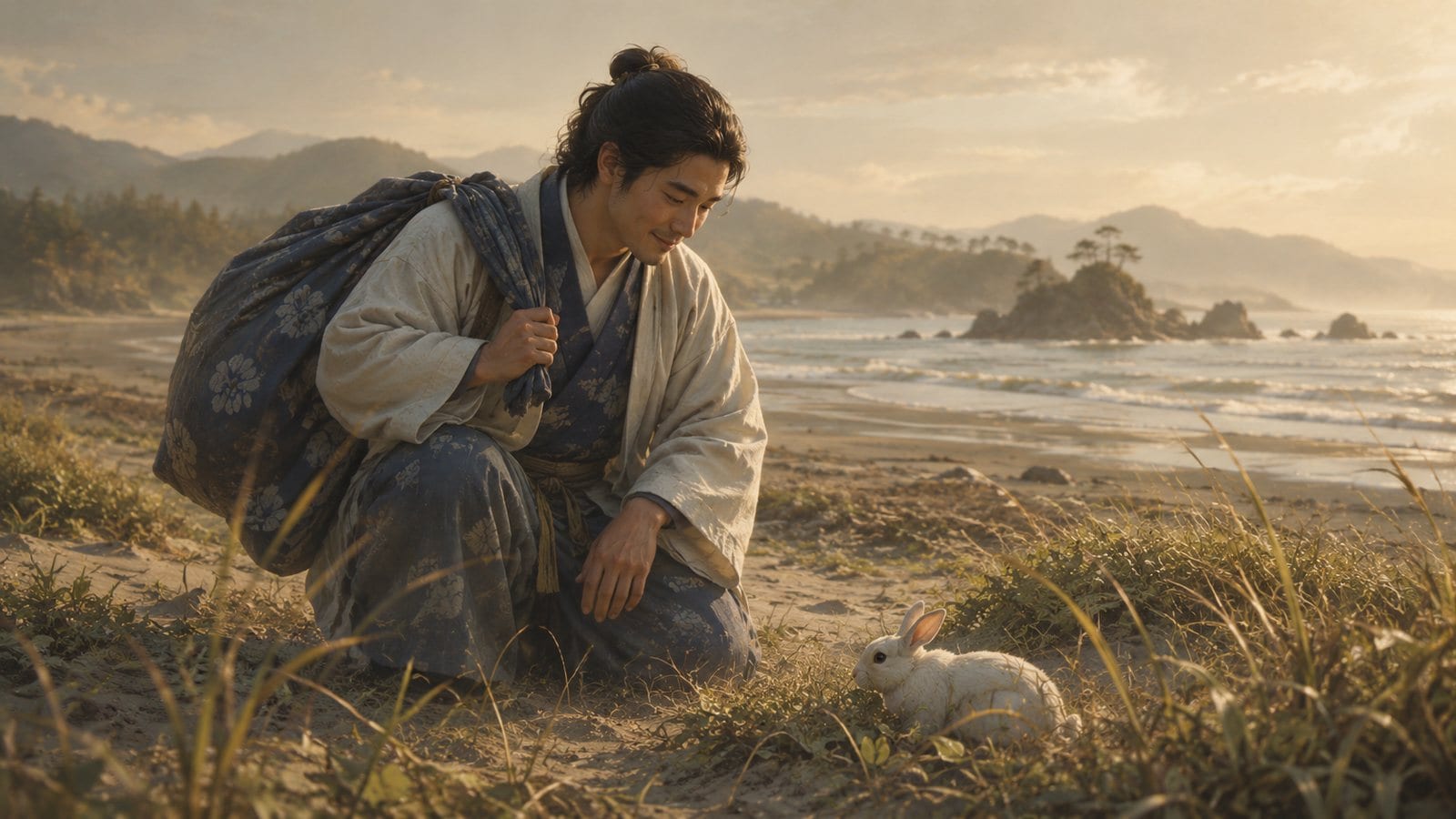
Who Is Ninigi?
Amaterasu's grandson, who descended from heaven to earth carrying rice. The Kojiki describes him as young, with a young person's mistakes — choices that, in the story, gave human lives their limits.
Shrines / Gods / Kojiki
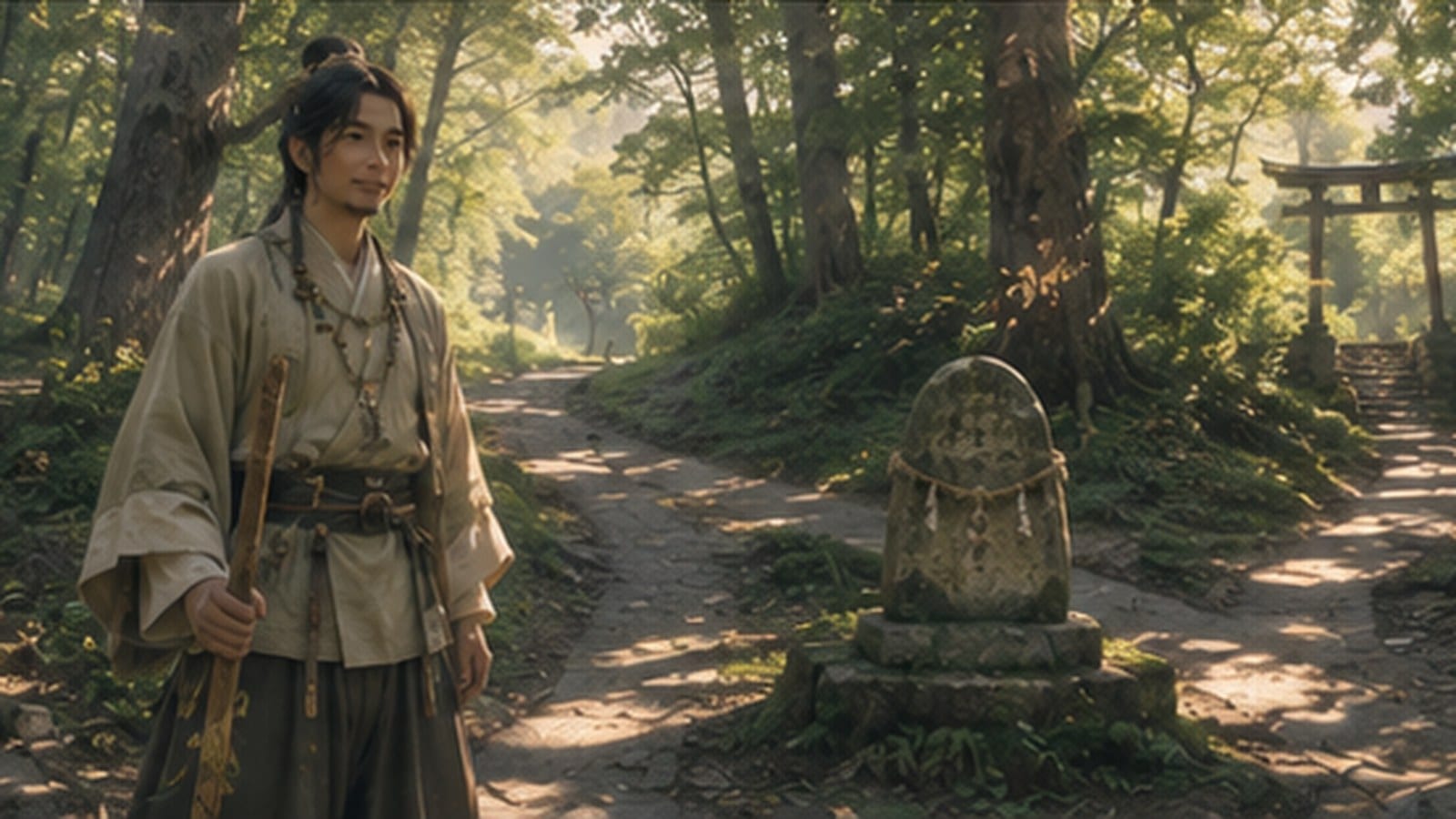
Who Is Ōkuninushi?
Ōkuninushi is enshrined at Izumo and known as the kami of en-musubi — the binding of relationships. The Kojiki shows him as someone who was hurt many times, and never lost his kindness.
Shrines / Gods / Kojiki
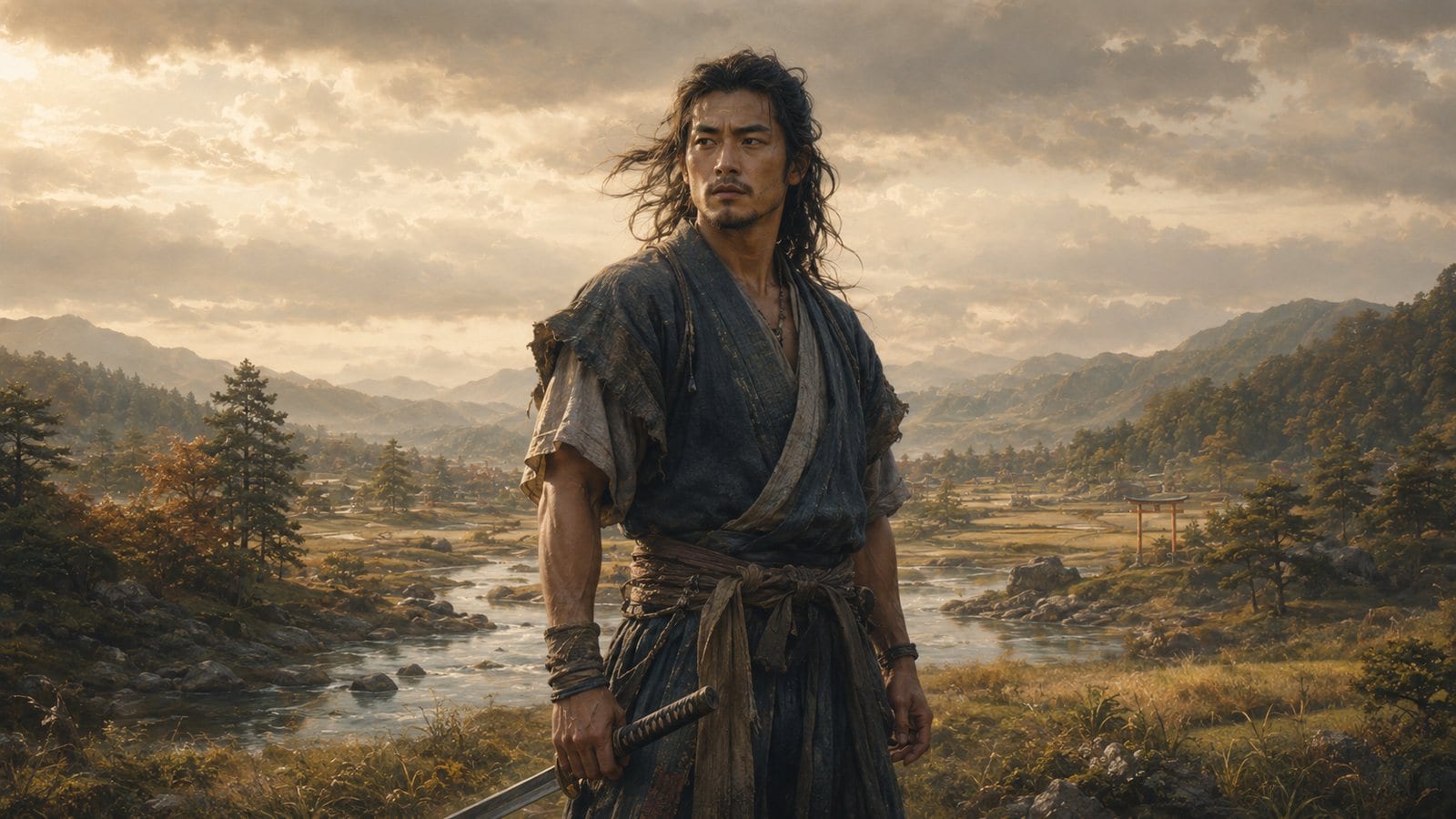
Who Is Sarutahiko?
The earth-side god who guided Ninigi's descent from heaven. Long-nosed and bright-eyed, Sarutahiko is the kami of paths, crossroads, and beginnings — and is loved as a guide, not feared as a strange figure.
Shrines / Gods / Kojiki
Who Is Susanoo?
Susanoo, the younger brother of Amaterasu, is the kami who hurt his sister in the heavens — and became a hero on earth, defeating the eight-headed serpent Yamata no Orochi. A look at the range of his personality.
Shrines / Gods / Kojiki
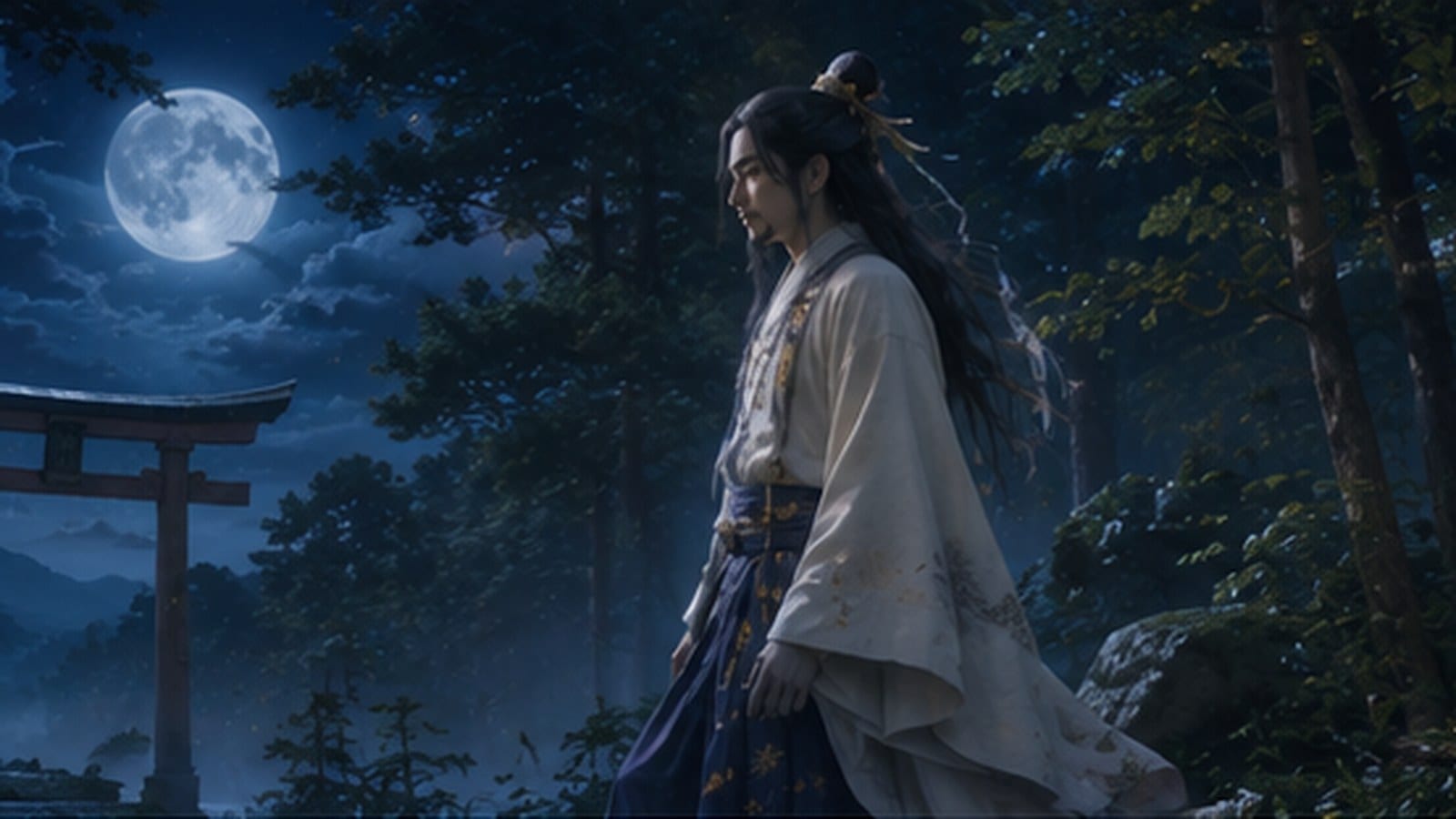
Who Is Tsukuyomi?
The moon god, brother to Amaterasu and Susanoo. The Kojiki barely tells his story — and that quietness is part of who Tsukuyomi is.
Shrines / Foxes / Inari
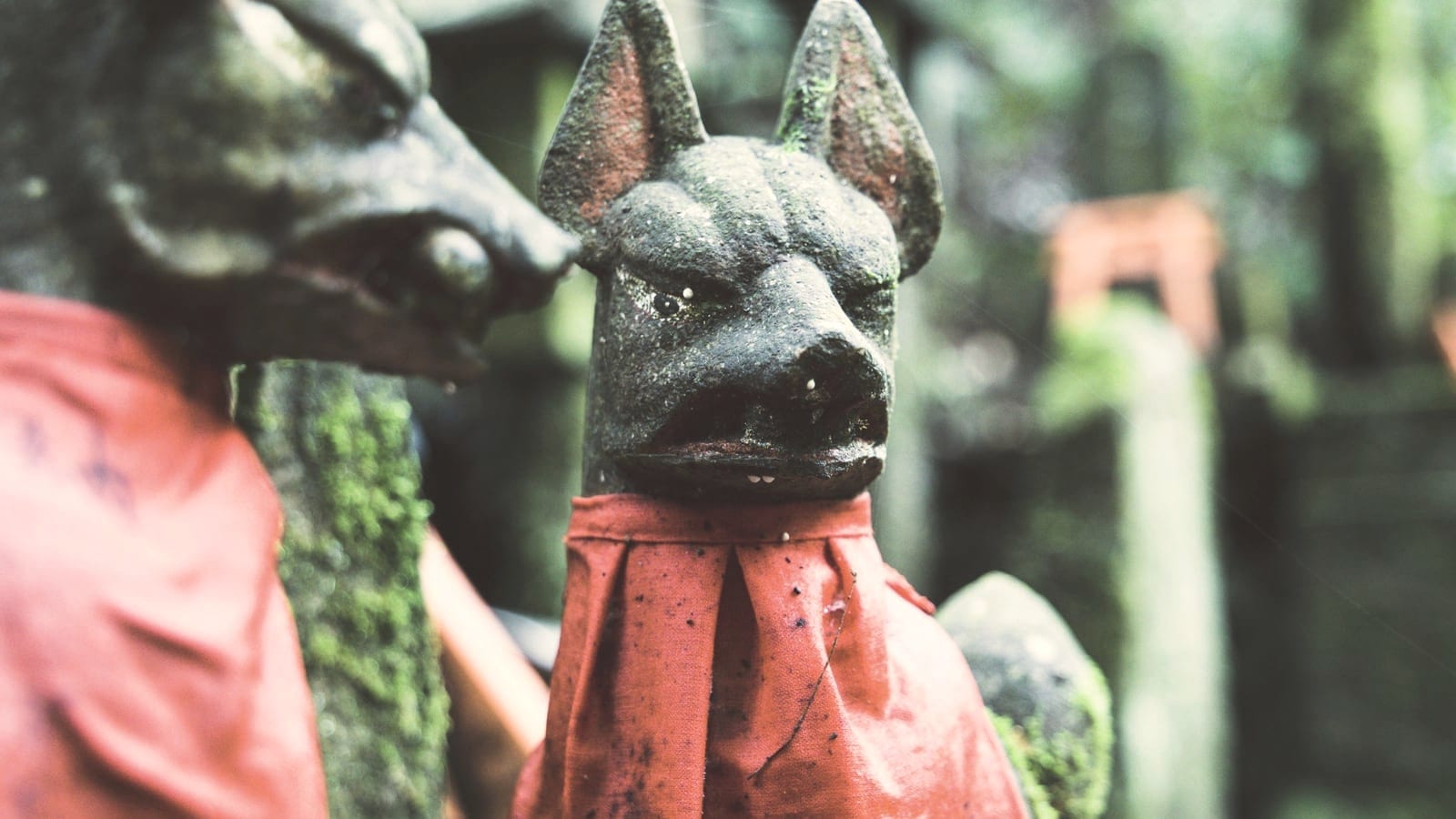
Are Kitsune Good or Evil?
Kitsune appear as tricksters, divine messengers, and shapeshifters. Whether they are good or bad depends entirely on the context — and that is the point.
Local Context
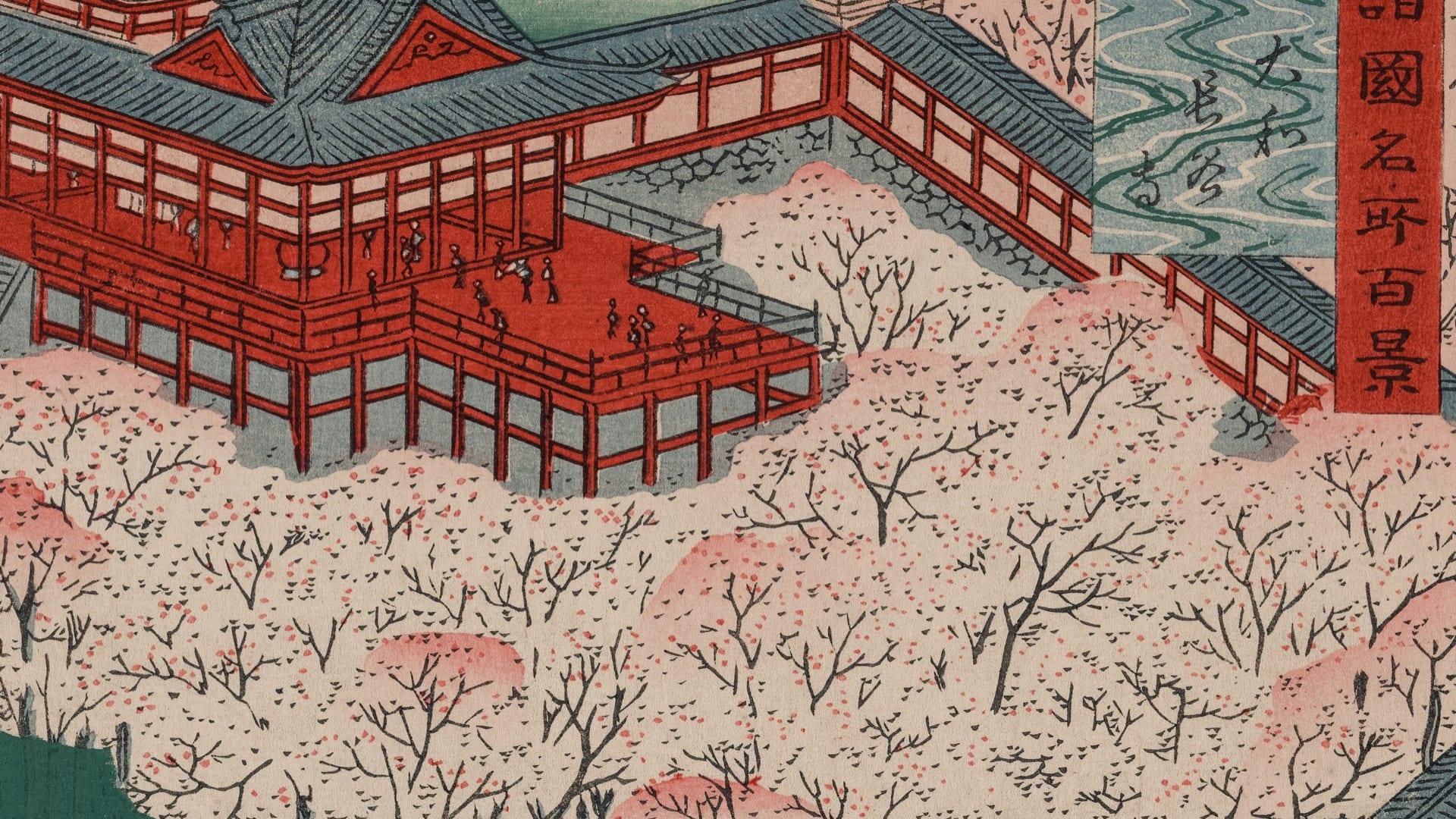
How Place Names in Japan Preserve Memory
Japanese place names often encode what a location once was — its terrain, its history, what happened there, what once stood there. Reading them is a form of archaeology.
Shrines / Foxes / Inari
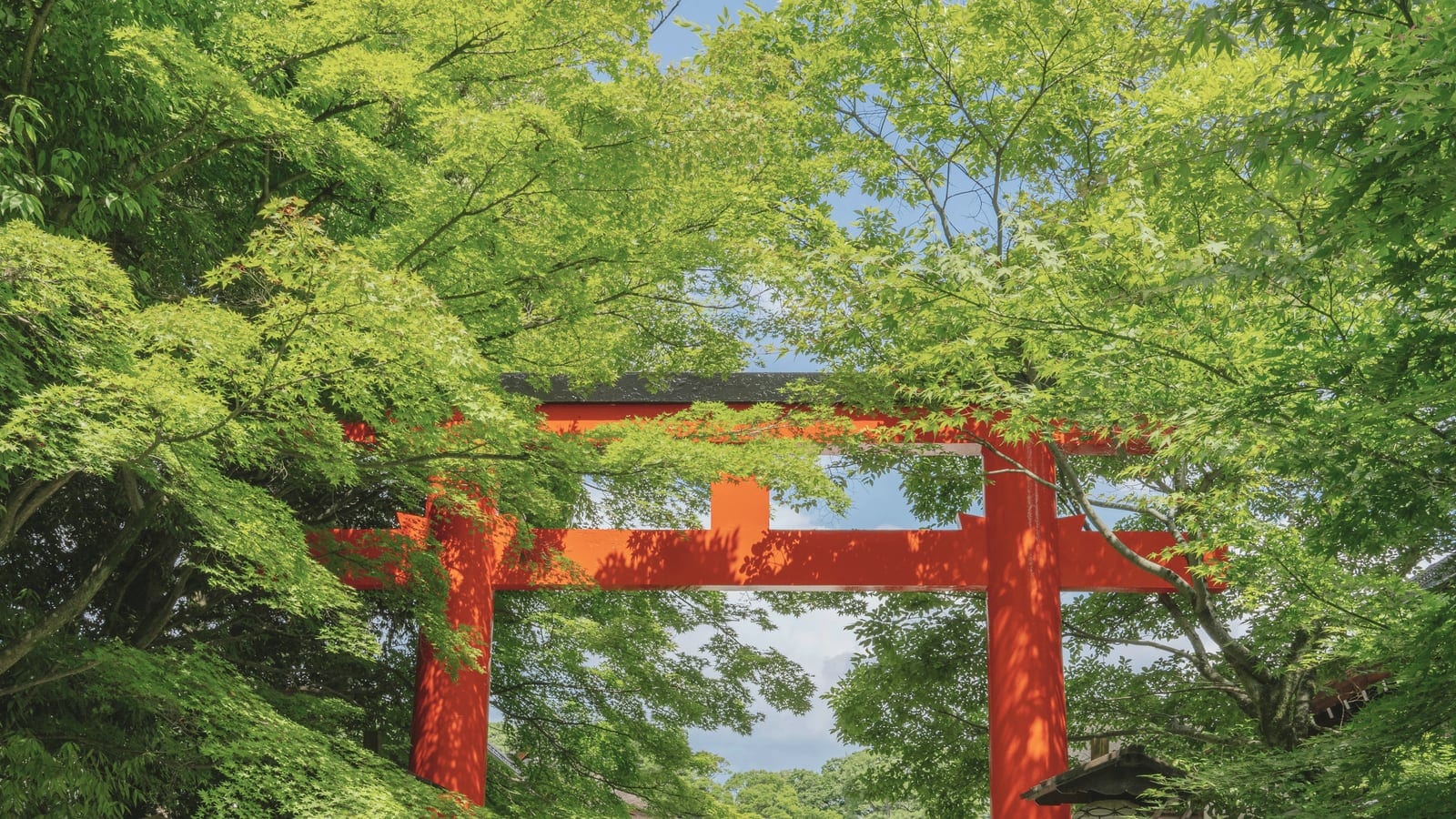
How to Visit a Shrine Without Overthinking It
Visiting a Japanese shrine does not require extensive preparation or perfect knowledge. Here is what actually matters — and what you can let go of.
Yokai / Folklore / Spirits
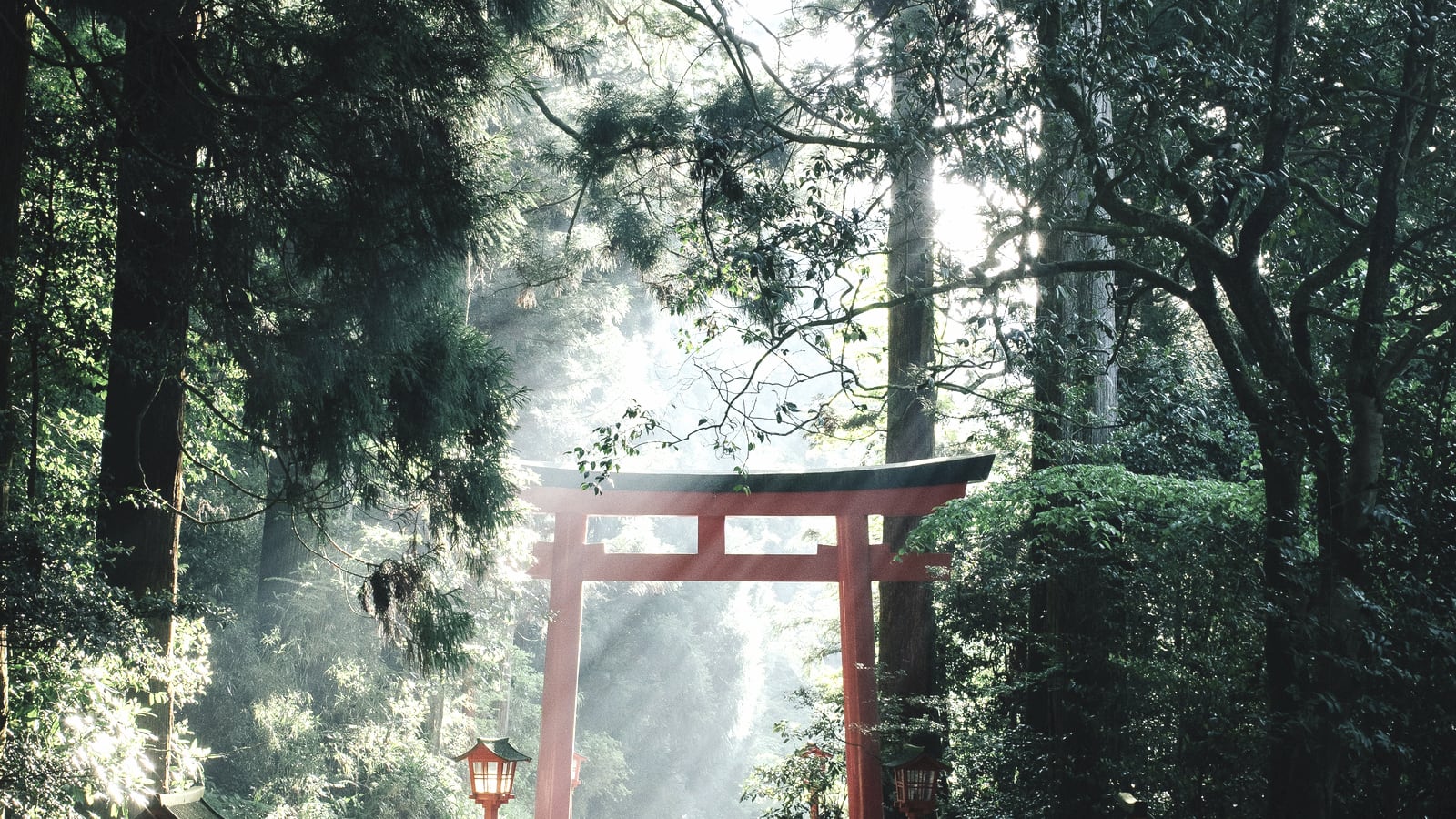
Kami vs Yokai: The Simple Version
Both kami and yokai are central to Japanese spiritual life. They are not the same thing — and knowing the difference changes how you read shrines, folk stories, and the landscape itself.
Local Context
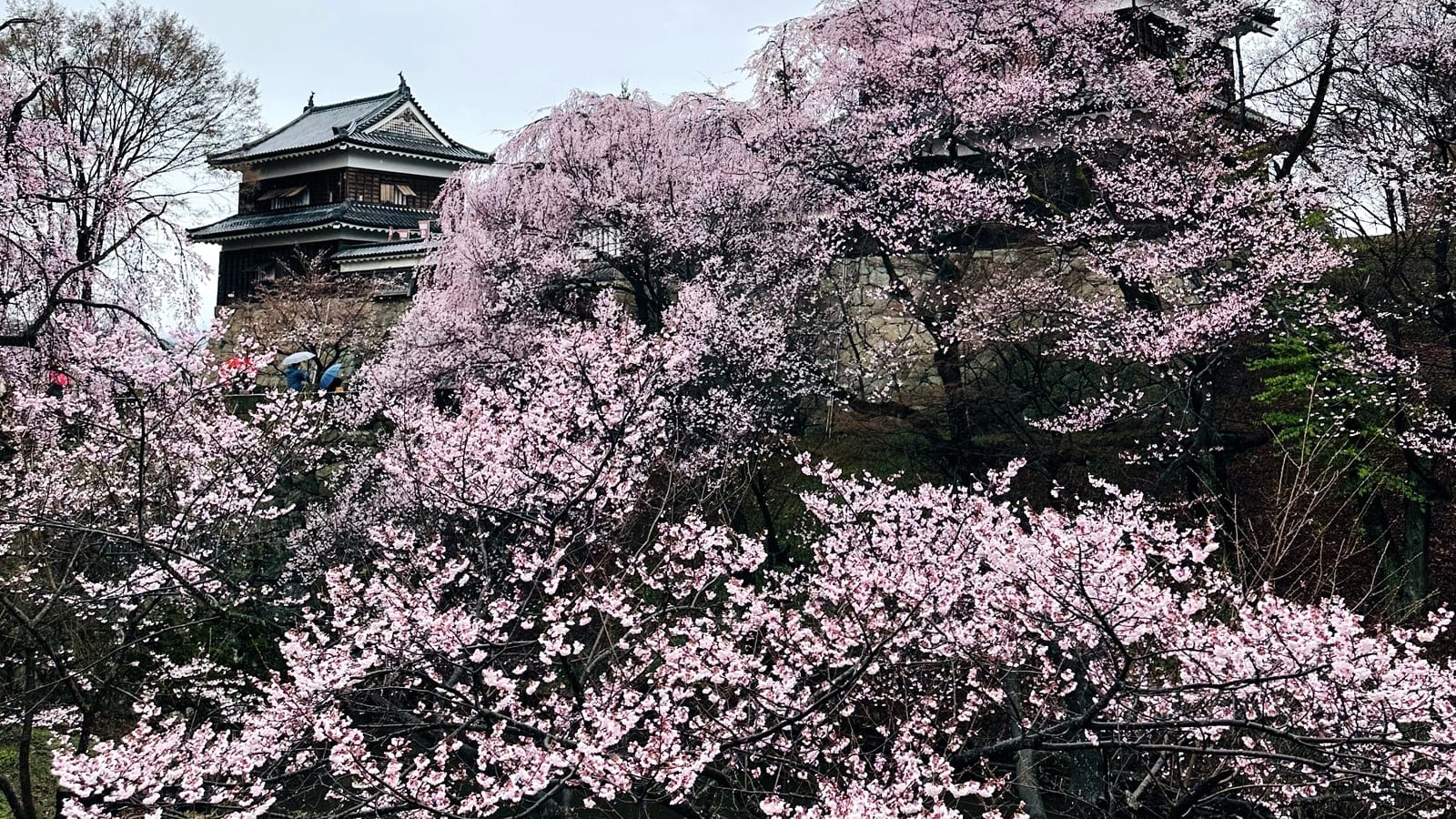
Ueda: The Samurai Town Most Tourists Miss
Ueda in Nagano is one of Japan's most historically layered castle towns — known for repelling Tokugawa forces twice and for the warlord who refused to lose. Most tourists walk past it on the way to somewhere else.
Shrines / Foxes / Inari
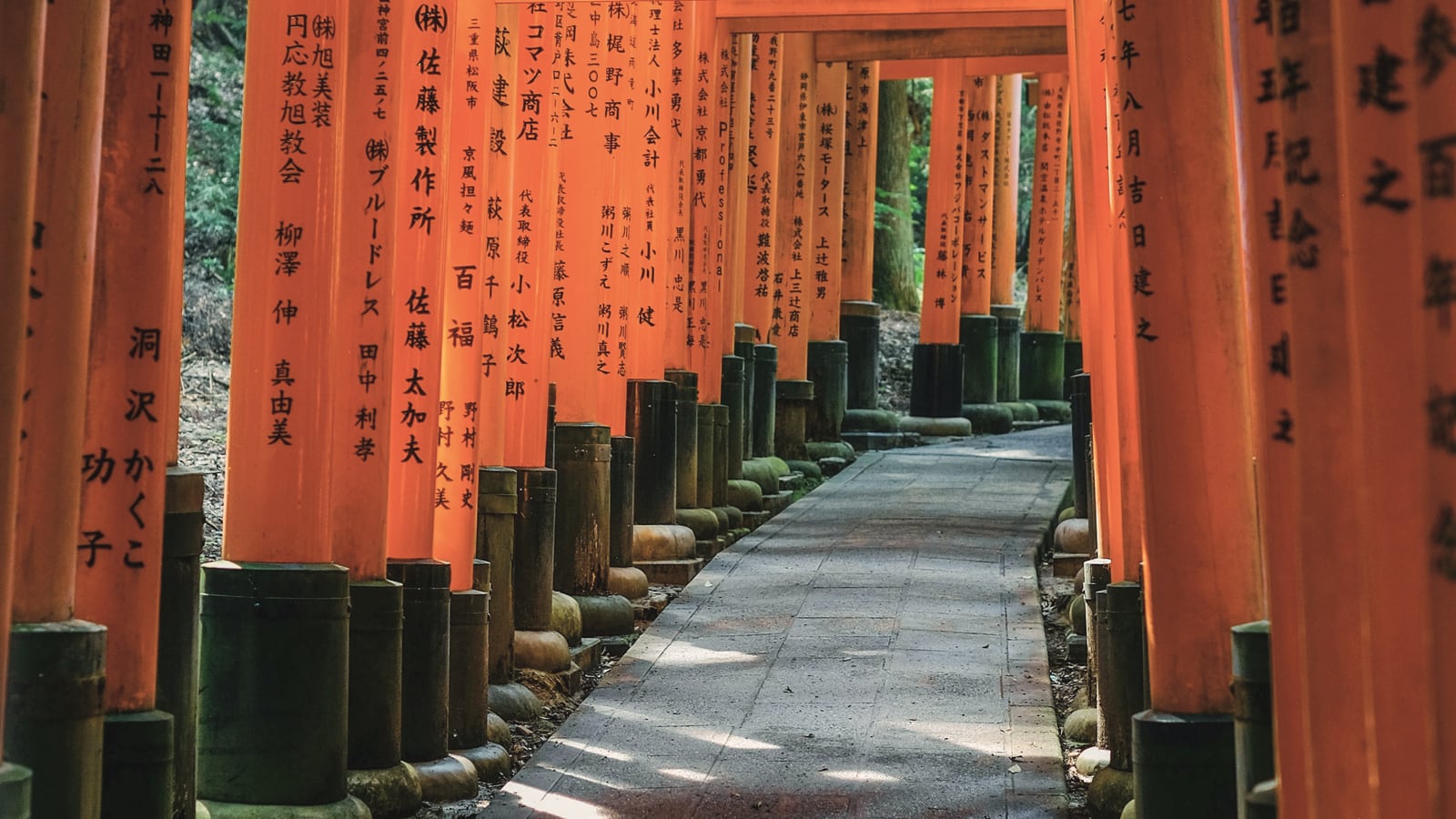
What Inari Really Means
Inari is one of the most widely worshipped kami in Japan. But what Inari actually represents is often misunderstood. Here is the longer version.
Yokai / Folklore / Spirits
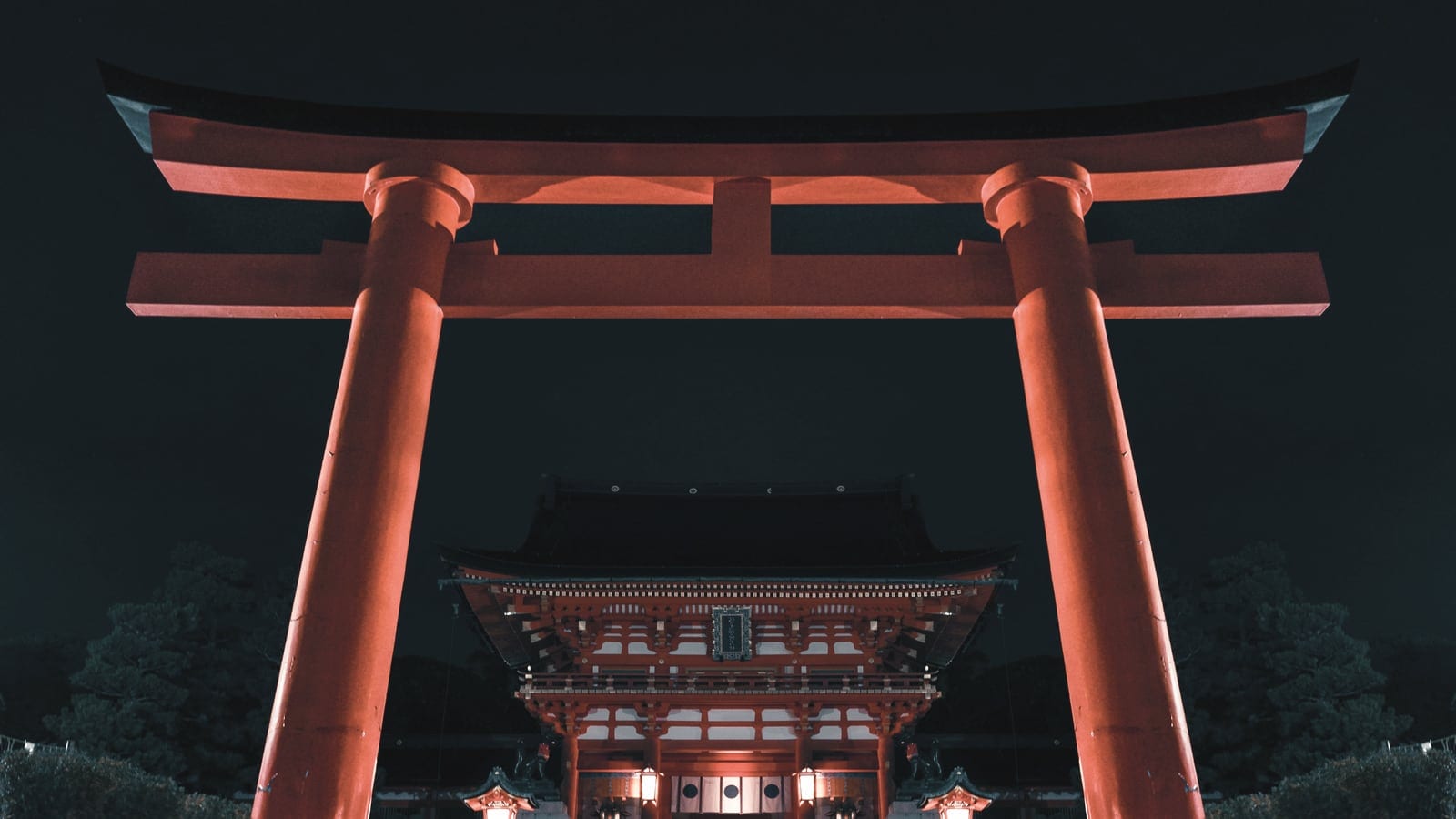
What Is a Yokai?
Yokai are a central part of Japanese folklore. But what the word actually means — and why it covers such a strange range of beings — is worth understanding on its own terms.
Shrines / Foxes / Inari
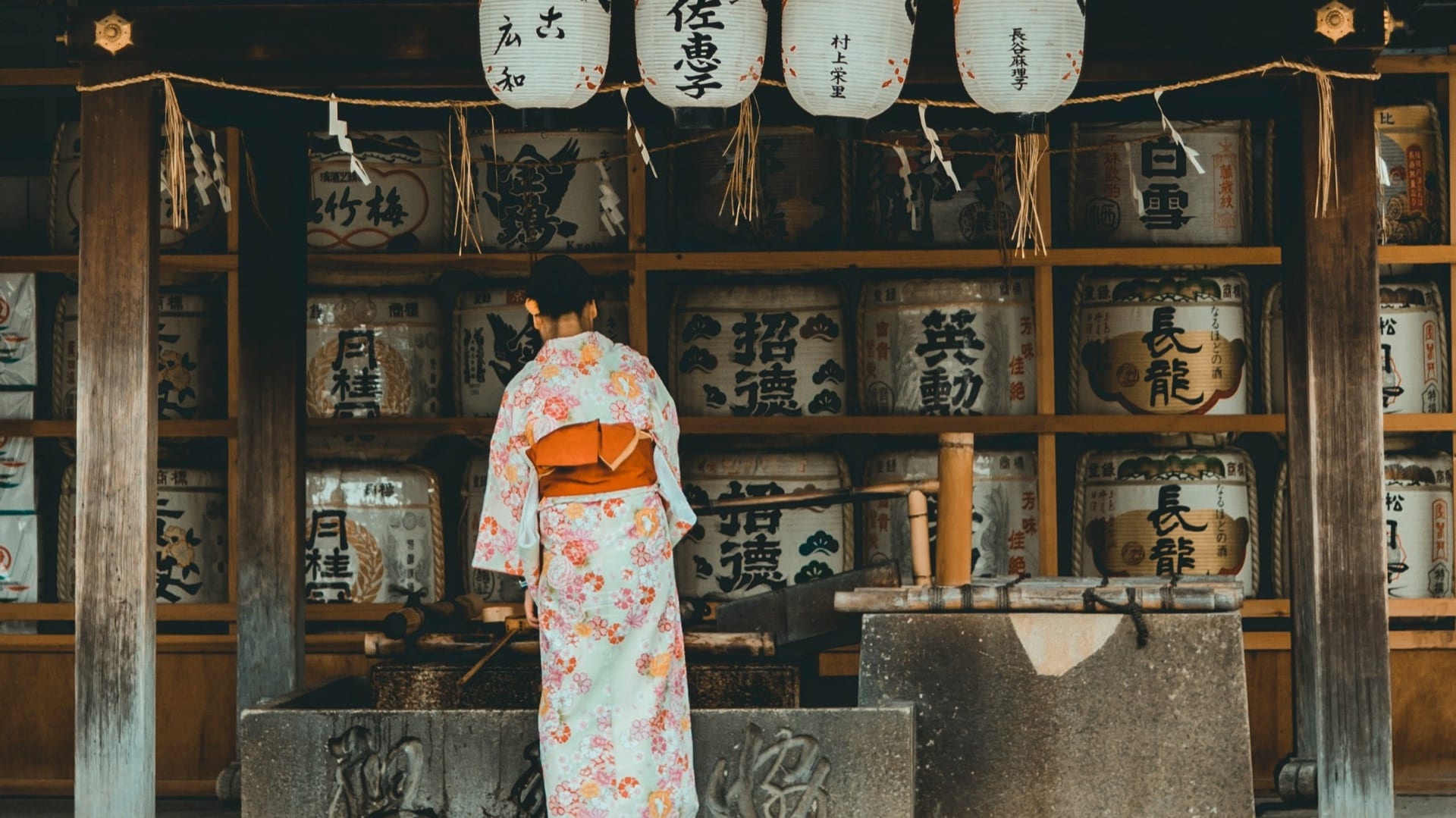
What Shrine Offerings Actually Mean
Coins, sake, rice, food, paper — shrines receive a lot of offerings. What these items are, why they are given, and what the gesture is actually doing.
Yokai / Folklore / Spirits
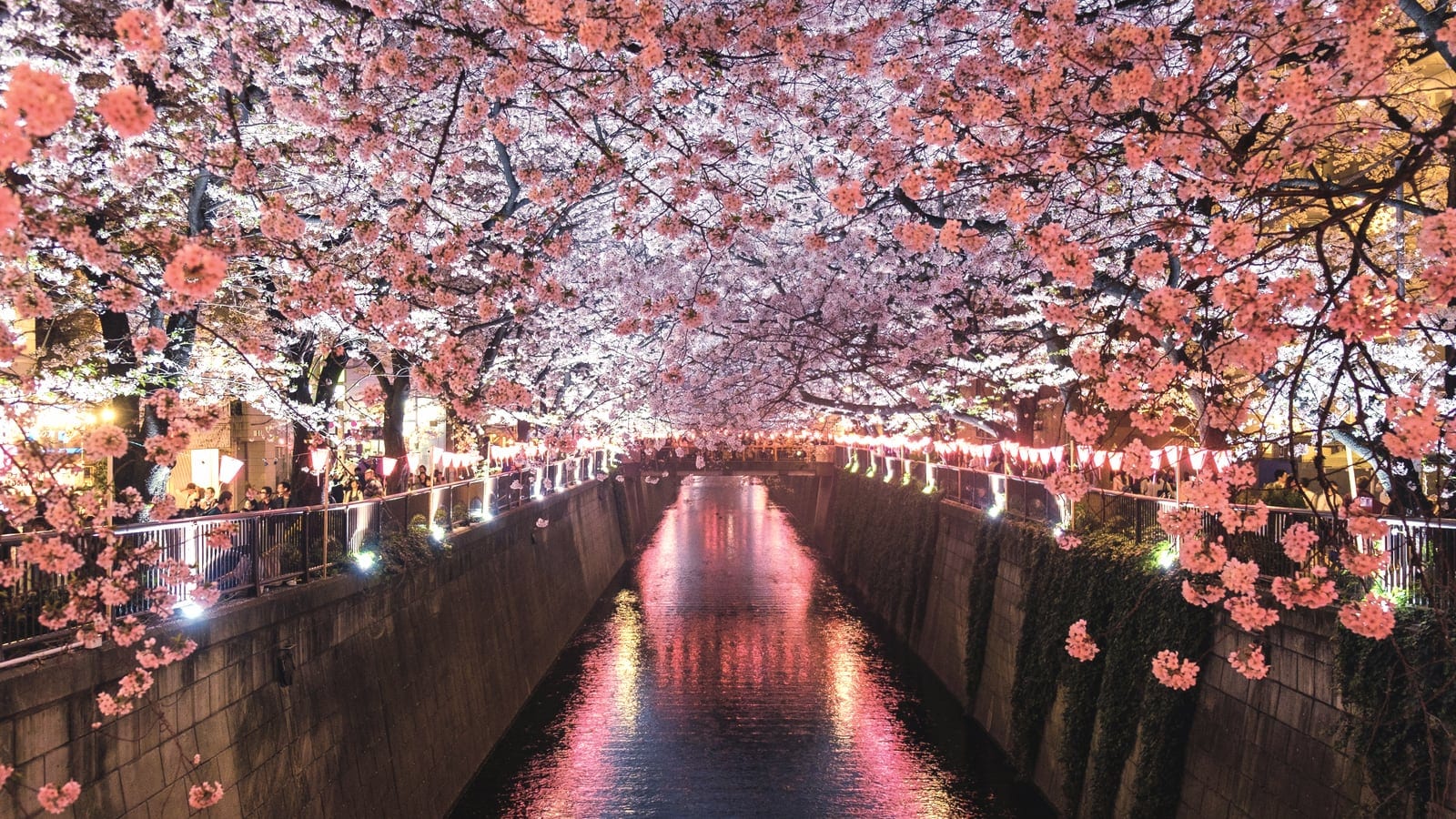
Why Folklore Survives in Everyday Places
Japan's folk tradition did not retreat into museums. It persists in neighborhoods, festivals, vending machine placements, and the way certain places are maintained. Here is why.
Shrines / Foxes / Inari
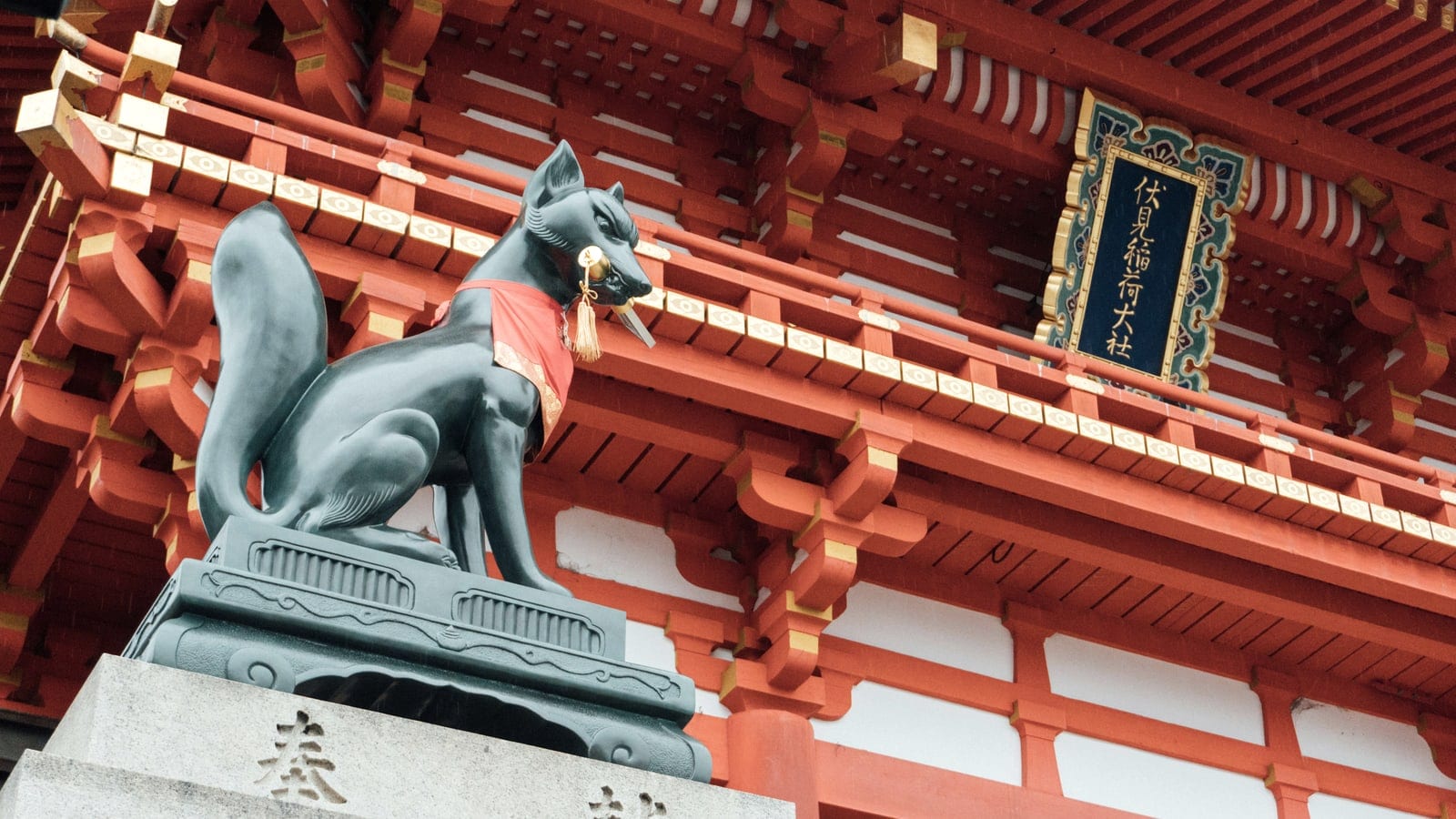
Why Foxes Appear at Japanese Shrines
Fox statues at Japanese shrines are easy to overlook. They often point to Inari worship, messenger symbolism, and the older idea of foxes as beings connected to boundaries.
Yokai / Folklore / Spirits
Why Japanese Ghosts Often Feel Different
Japanese ghosts are not quite like the ones in Western tradition. The difference is not aesthetic — it reflects a different understanding of why the dead return.
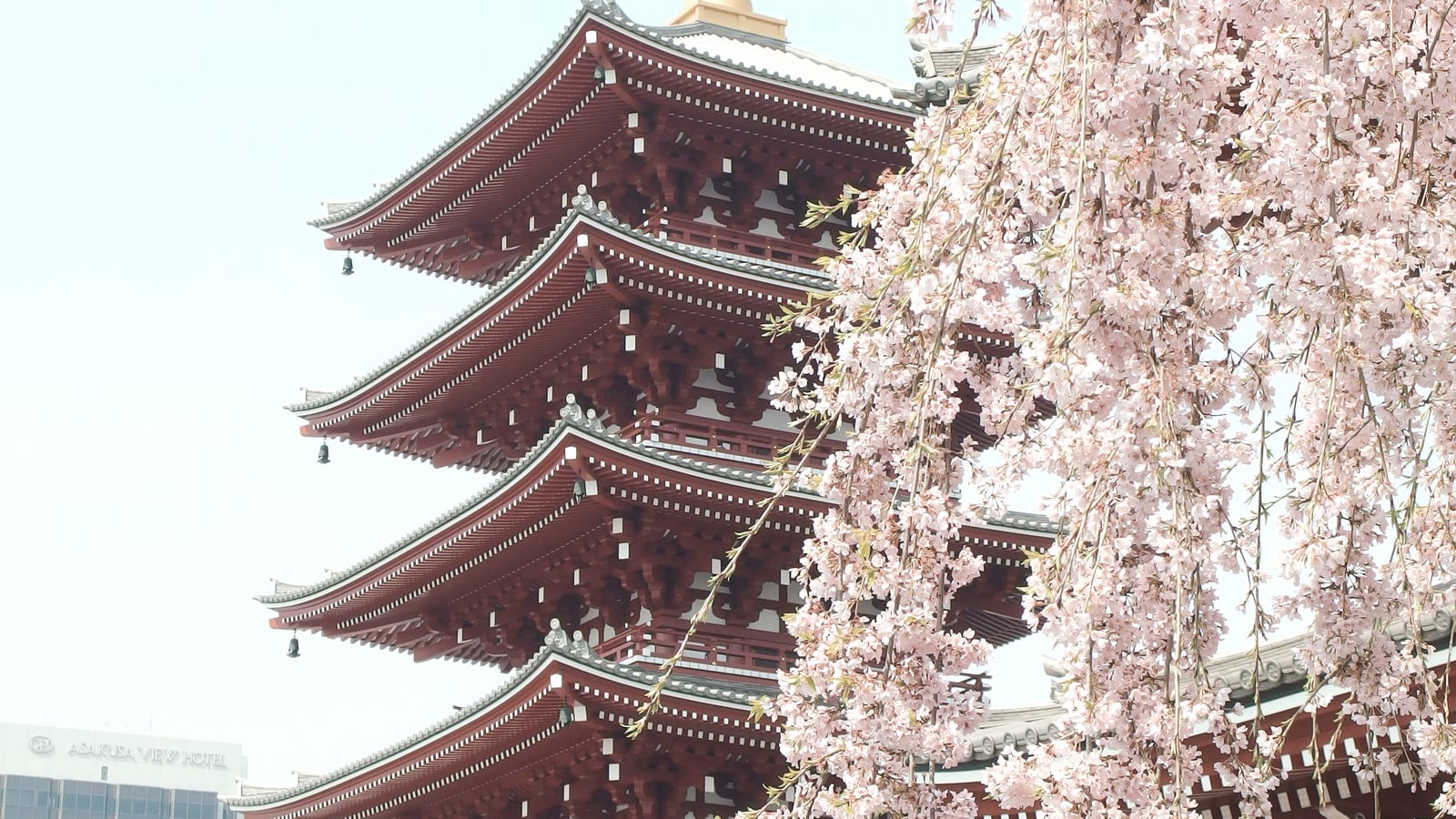
Local Context
Why Local Shrines Often Matter More Than Famous Temples
The shrines and temples on every visitor list are worth seeing. But the ones not on the list often show you something the famous ones cannot.
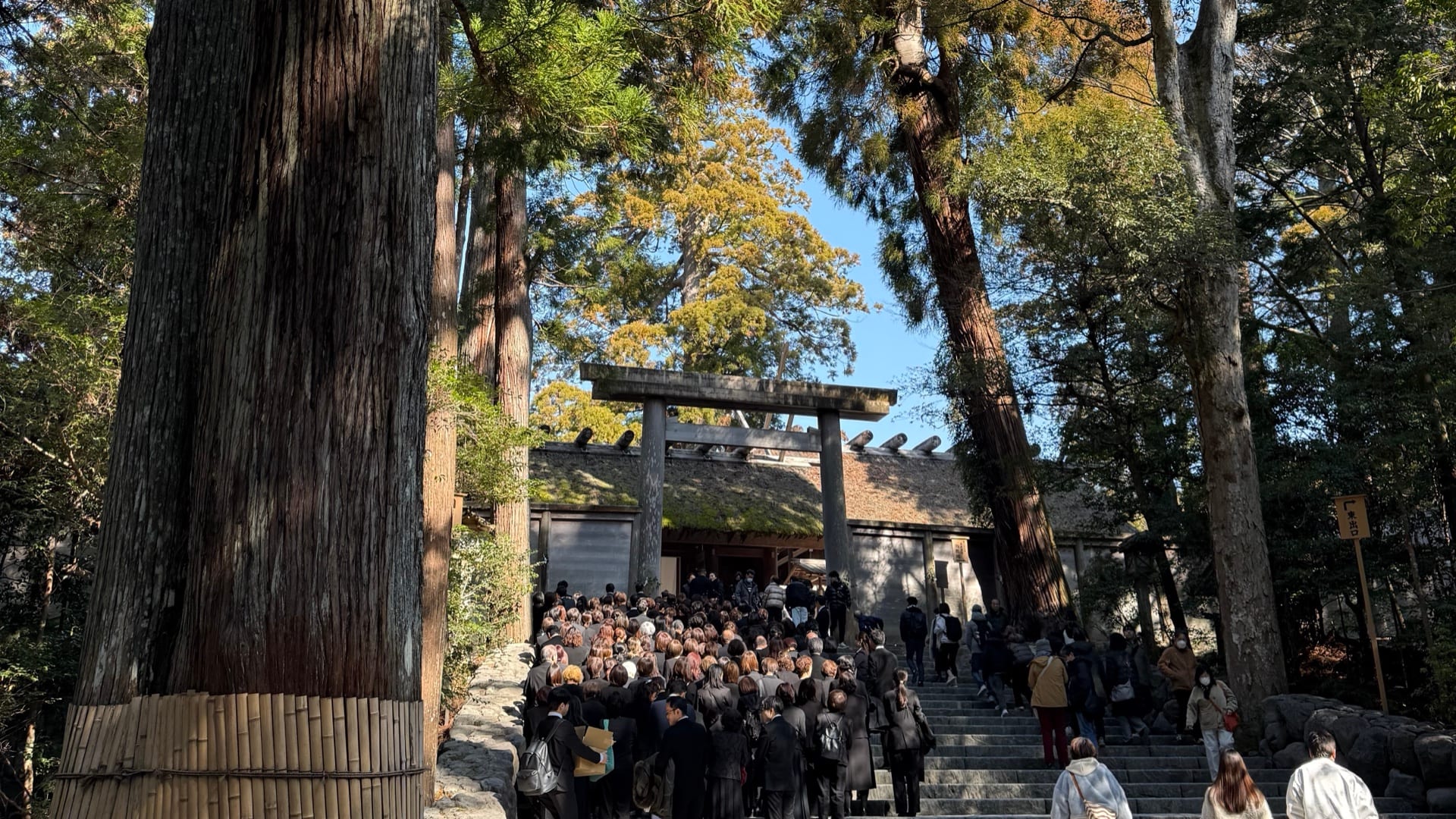
Shrines / Foxes / Inari
Why People Clap at Shrines
The hand clap at a Japanese shrine is one of the most visible gestures in Shinto practice. What it is doing, and why it takes the form it does.
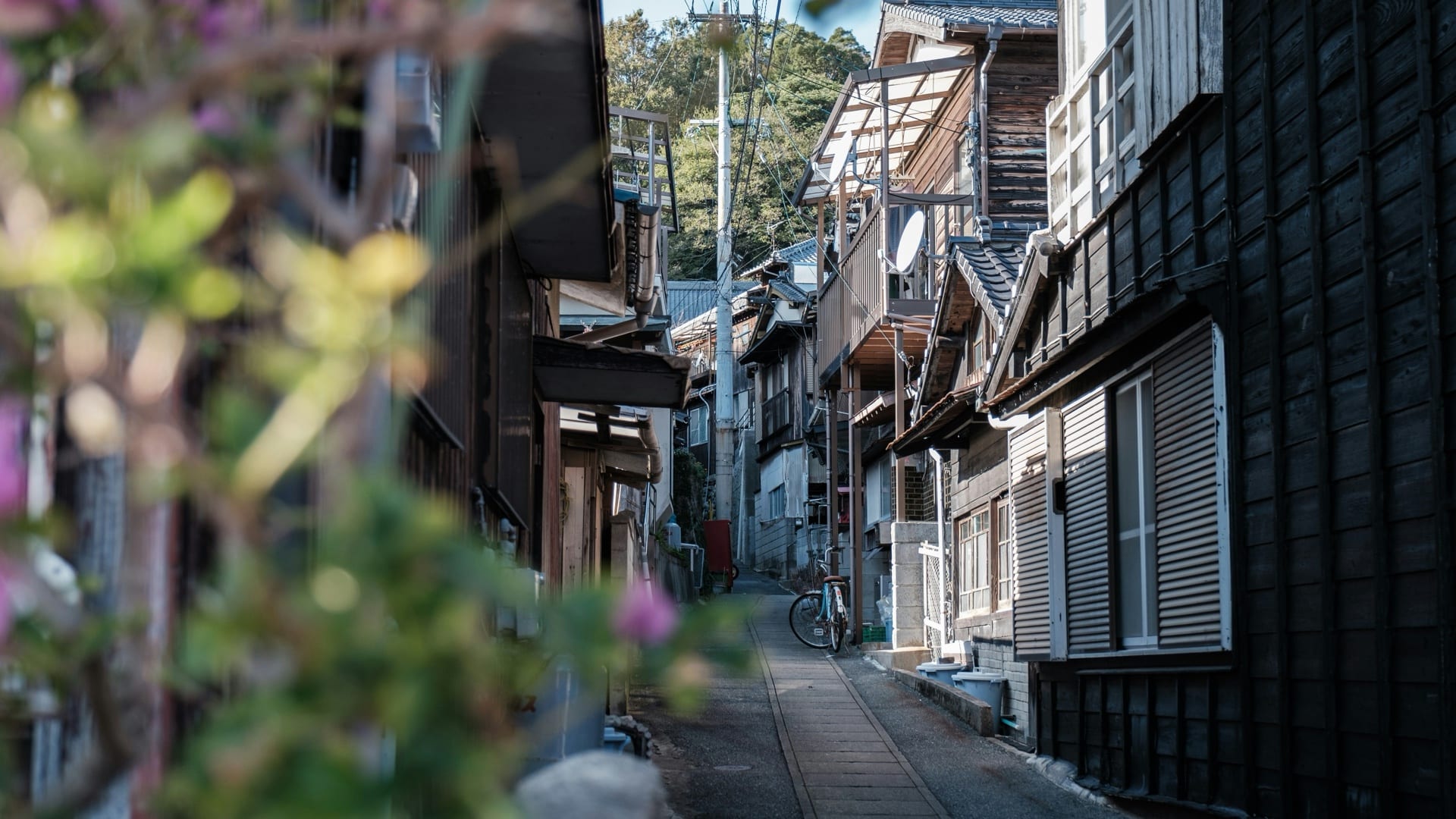
Local Context
Why Small Japanese Towns Hide the Best Stories
Japan's most visited cities are worth visiting. But the most interesting layers of Japanese history, folklore, and daily life are usually found somewhere quieter.
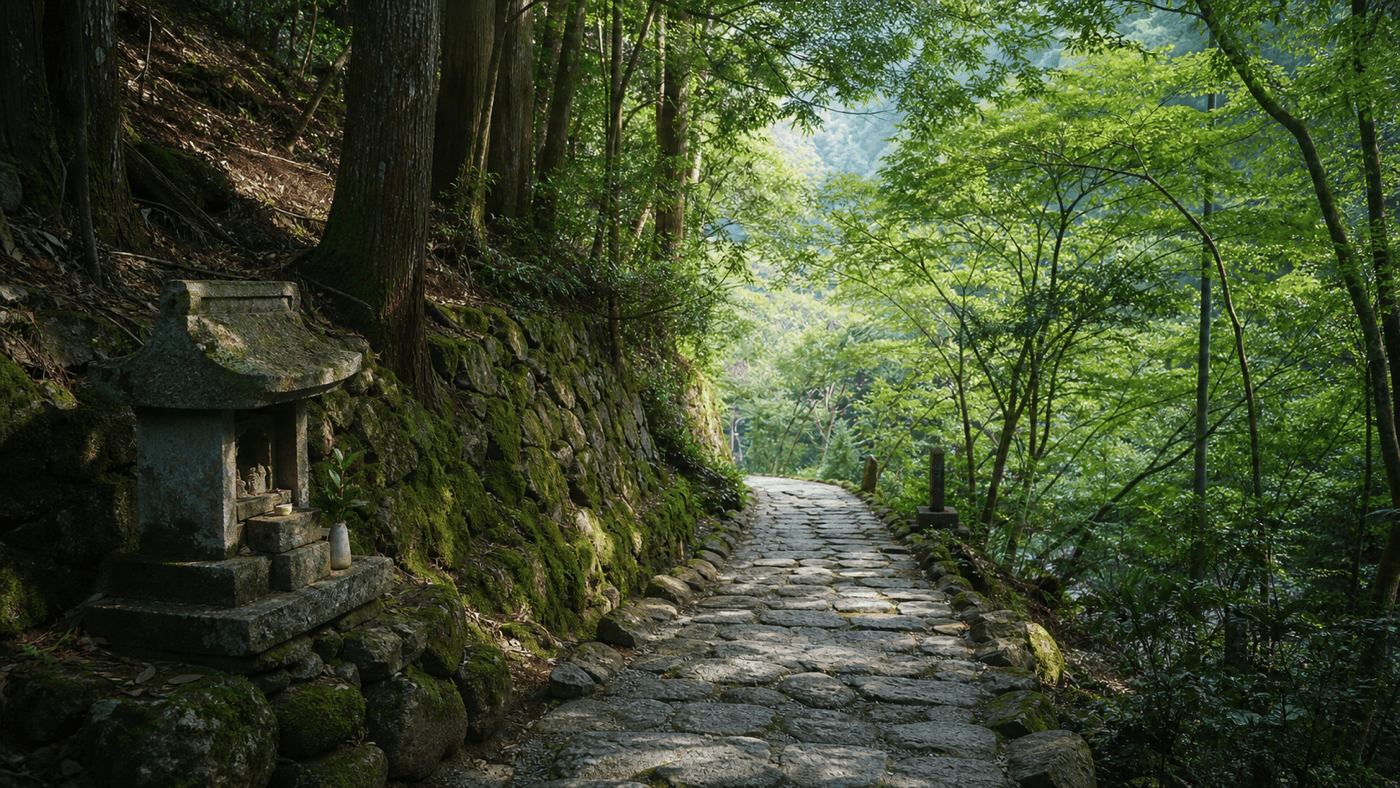
Shrines / Foxes / Inari
Why Some Shrines Are Tiny
Japan has tens of thousands of small roadside shrines that barely get noticed. What they are, why they exist, and what they say about how sacred space works in Japan.
Yokai / Folklore / Spirits
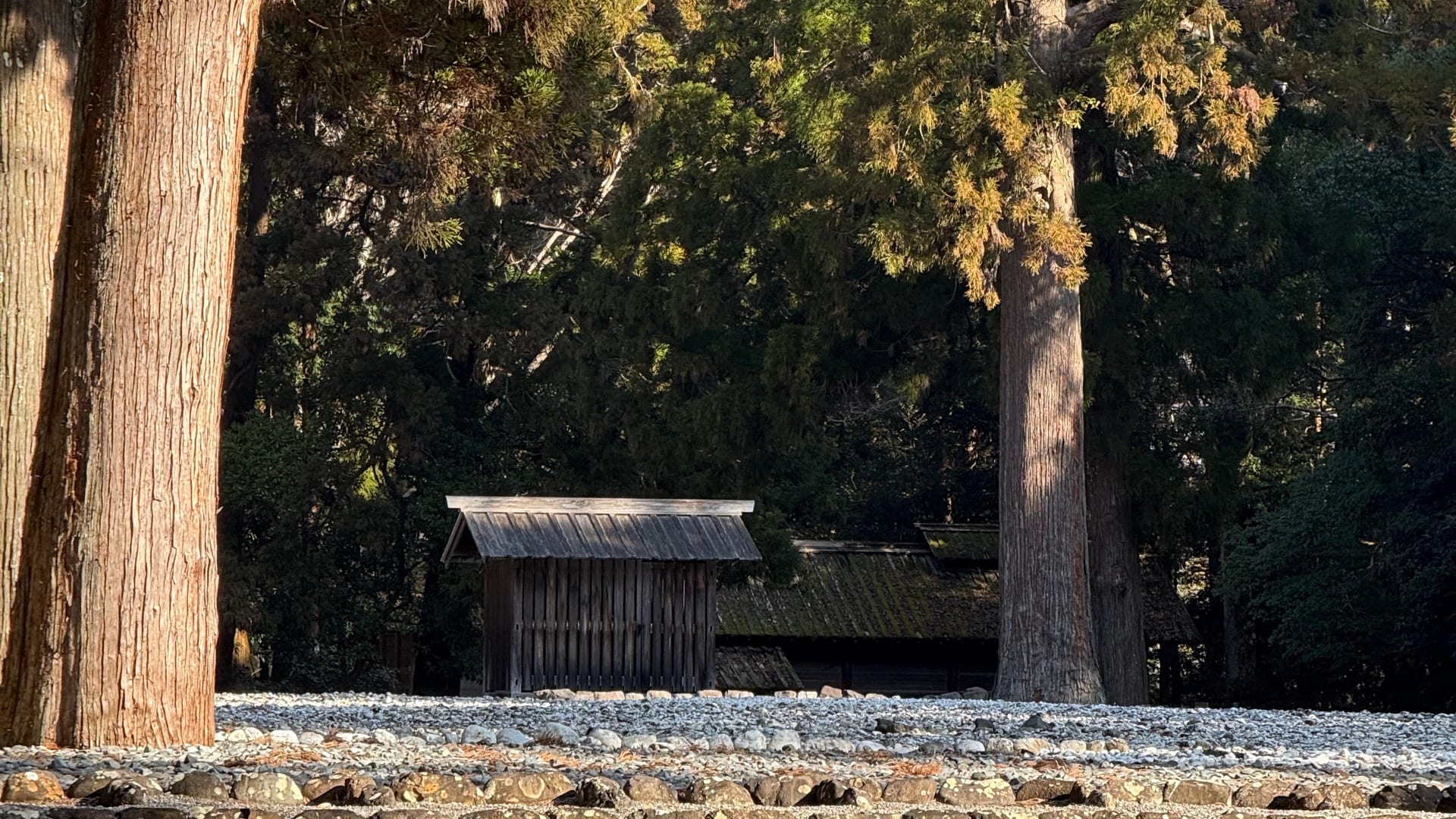
Why Some Spirits Are Local
Many of Japan's most interesting spiritual beings are tied to a specific place — a village, a mountain, a river bend. Why locality matters so much in Japanese folk belief.
Shrines / Foxes / Inari
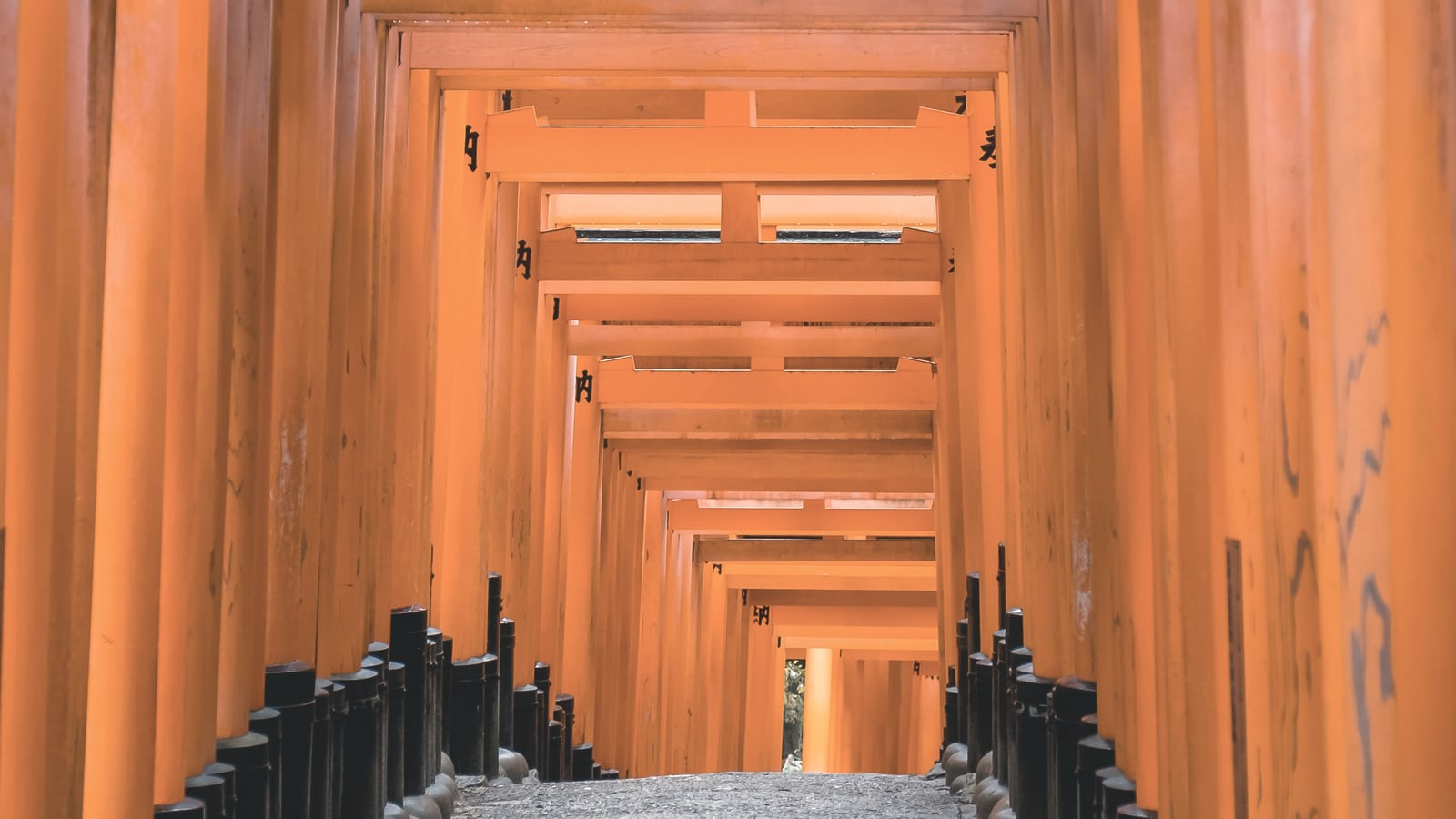
Why Torii Gates Are Not Just Decoration
Torii gates appear everywhere in Japan — at shrines, in travel photos, even on city streets. What they actually mark, and why that matters, is simpler than most explanations suggest.
Local Context
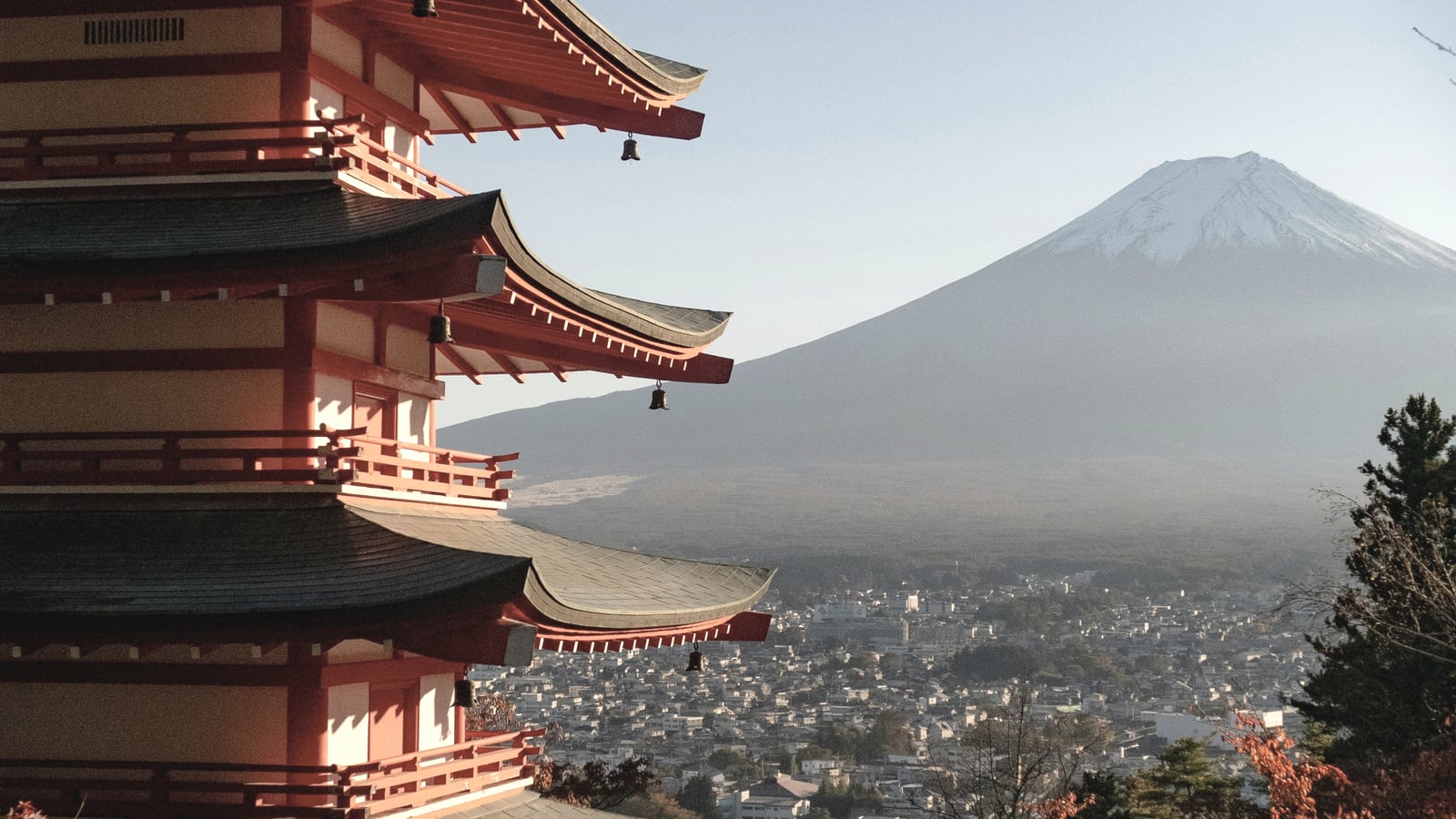
Why Walking Routes in Japan Can Become Story Routes
Japan's old pilgrimage routes, post roads, and mountain paths were built around specific destinations and specific stories. Walking them now is still a form of reading.
By Mood
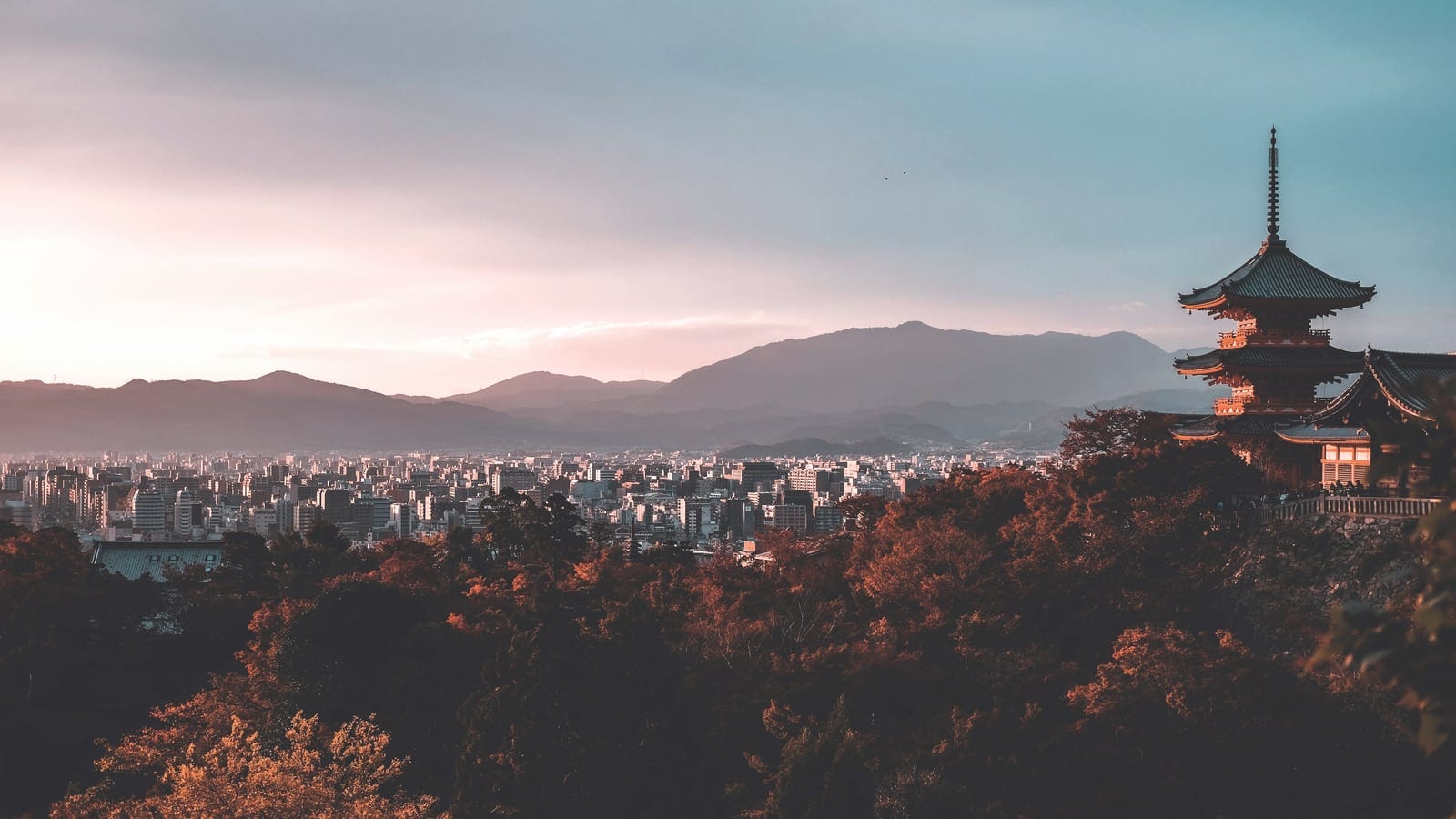
How to Choose a Manga by Mood: A Practical Guide for New Readers
Not sure what to read next? Instead of searching by genre, start with how you want to feel. This guide matches manga to moods that most adult readers actually have.
Everyday Behavior
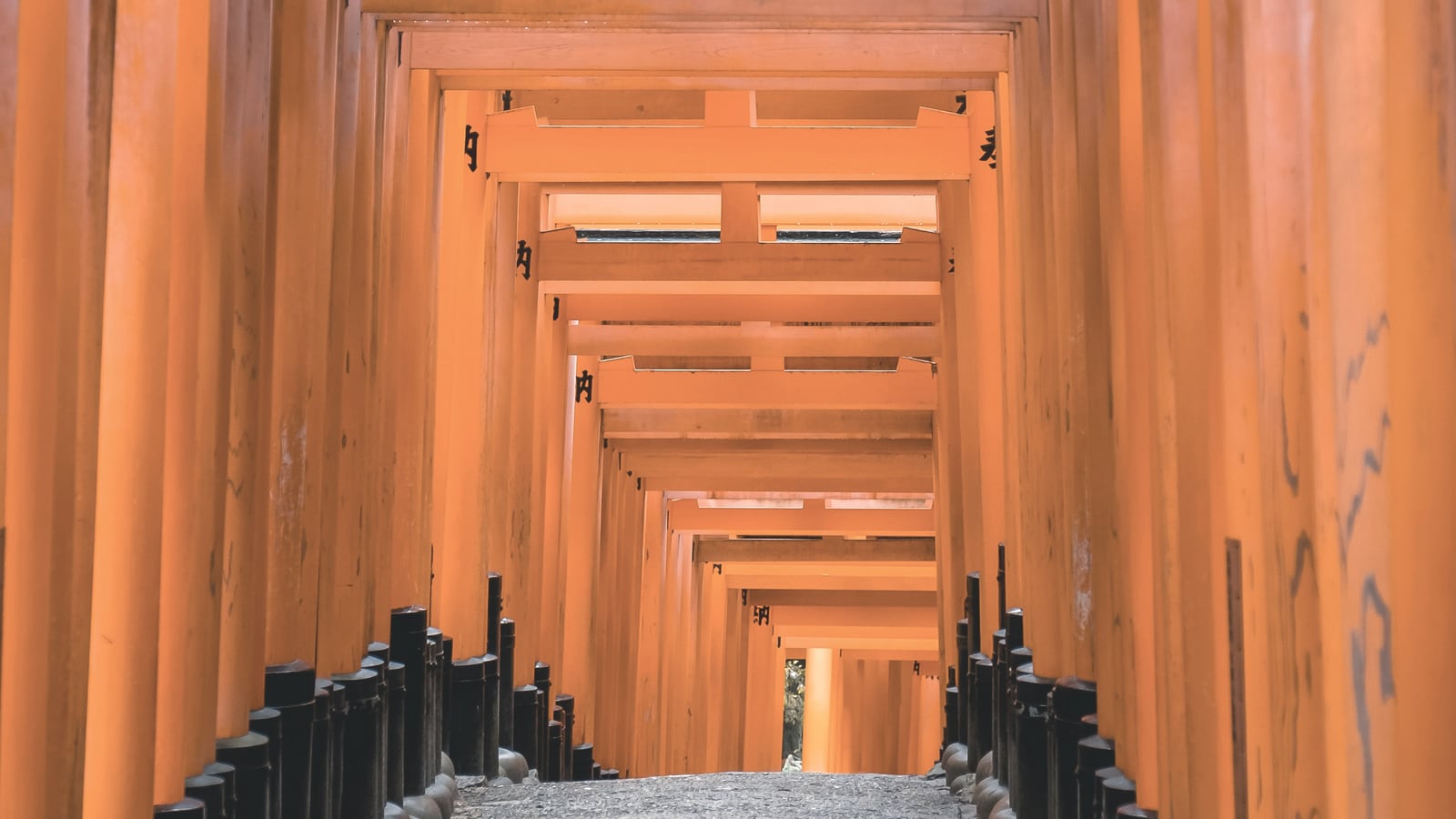
Izakaya: The Unwritten Rhythm That Nobody Explains to First-Time Visitors
An izakaya is not a restaurant in the Western sense. It has its own ordering logic, its own pace, and a few small rituals that most guides skip over entirely.
Long Series
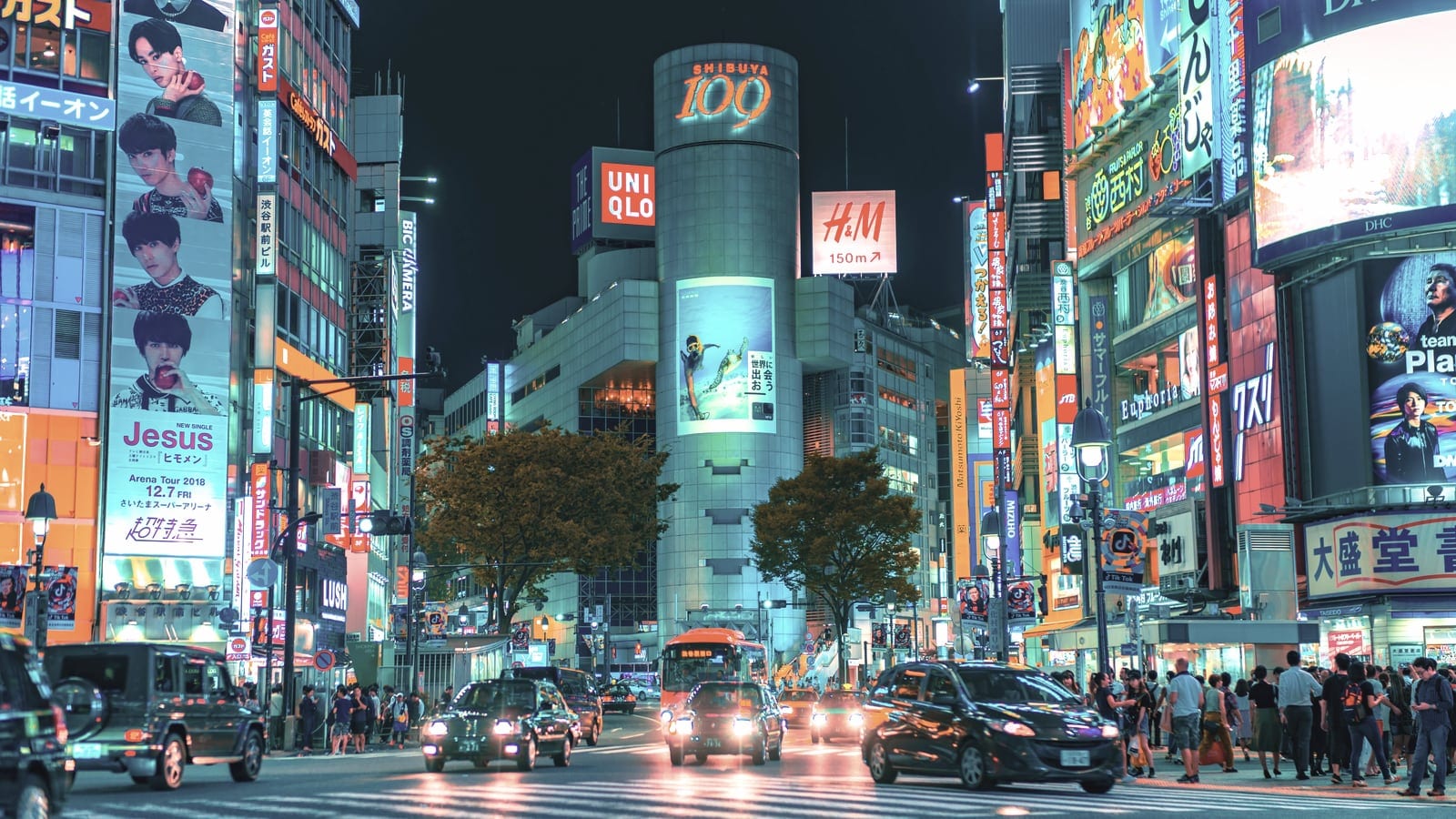
Long Manga Series: How to Enter Without Getting Overwhelmed
A 100-volume series looks like a commitment. But there are ways to approach long manga that make the length feel manageable rather than intimidating.
Manga vs Anime
Manga vs Anime: Where Should You Start?
If you are curious about both manga and anime, the question of which to try first is worth thinking through. The answer depends on how you read and what you want from the experience.
Everyday Behavior
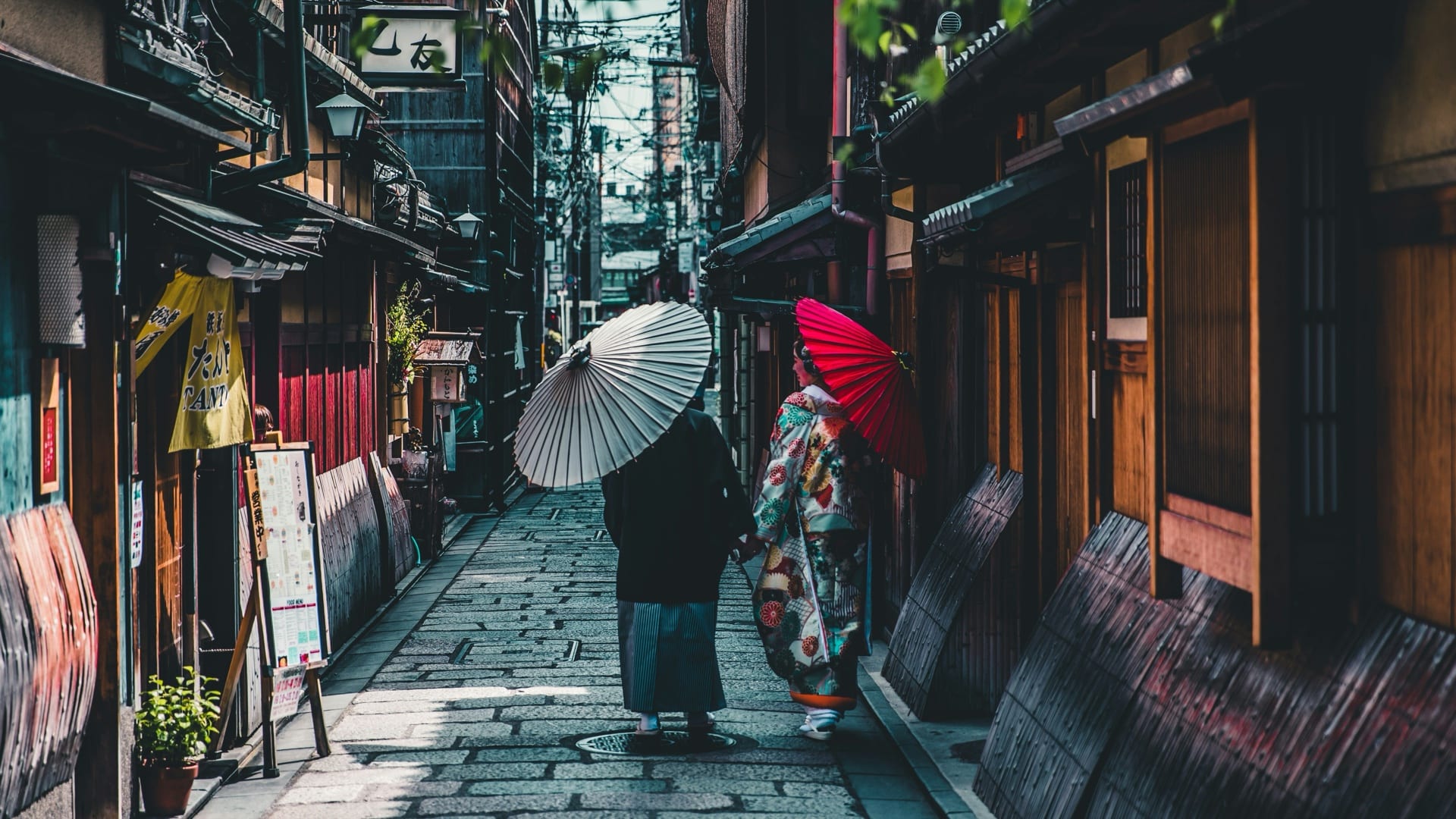
Sumimasen: Why the Most Common Japanese Word Is Not Really an Apology
Visitors hear 'sumimasen' used as sorry, excuse me, and thank you — sometimes in the same minute. Understanding what it actually does changes how you read social interactions in Japan.
Everyday Behavior
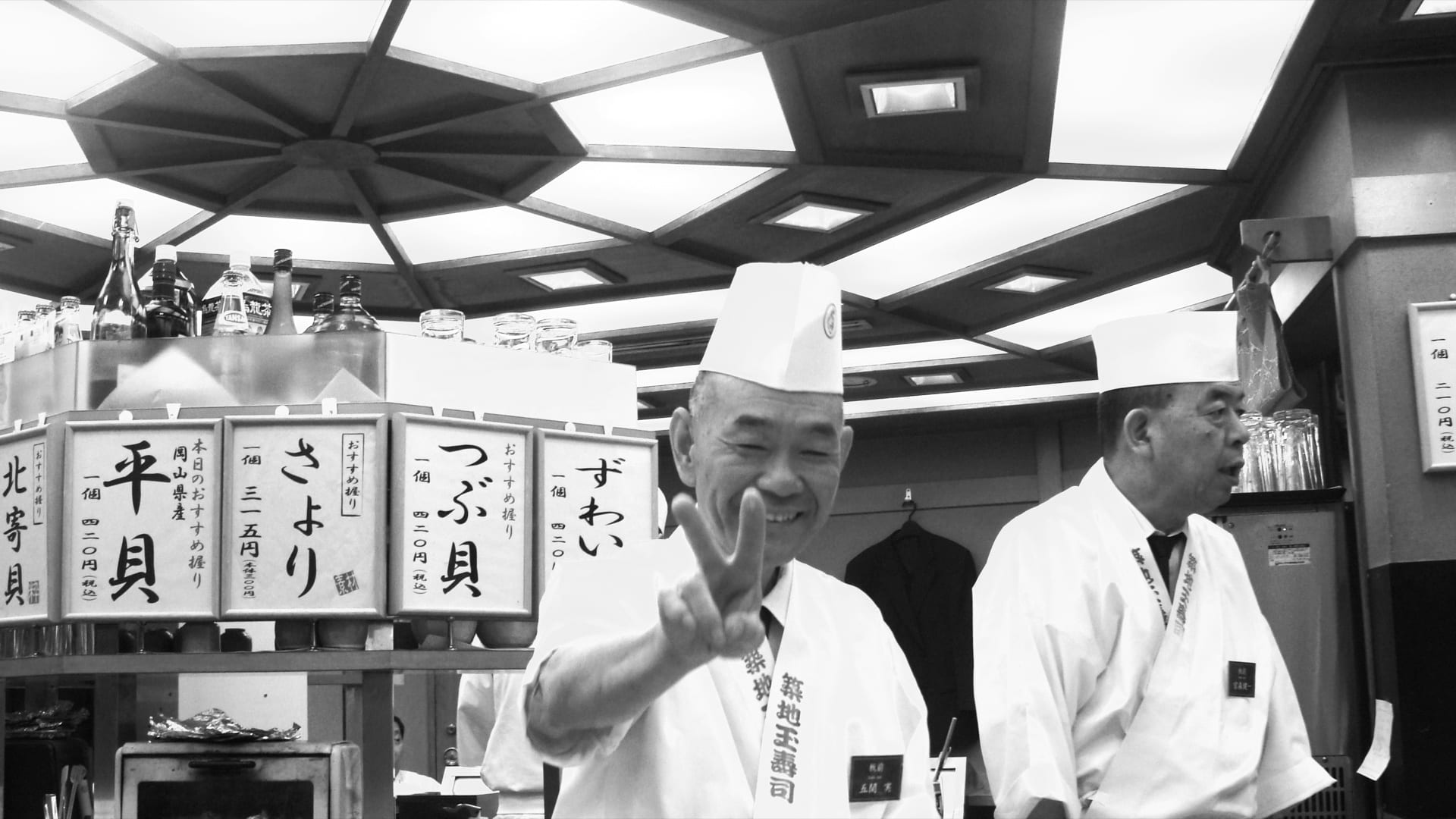
Why You Don't Tip in Japan — and What Service Actually Means There
Most guides tell you not to tip in Japan. Few explain why. The reason goes deeper than custom — it reflects a different understanding of what service is.
Adult Entry
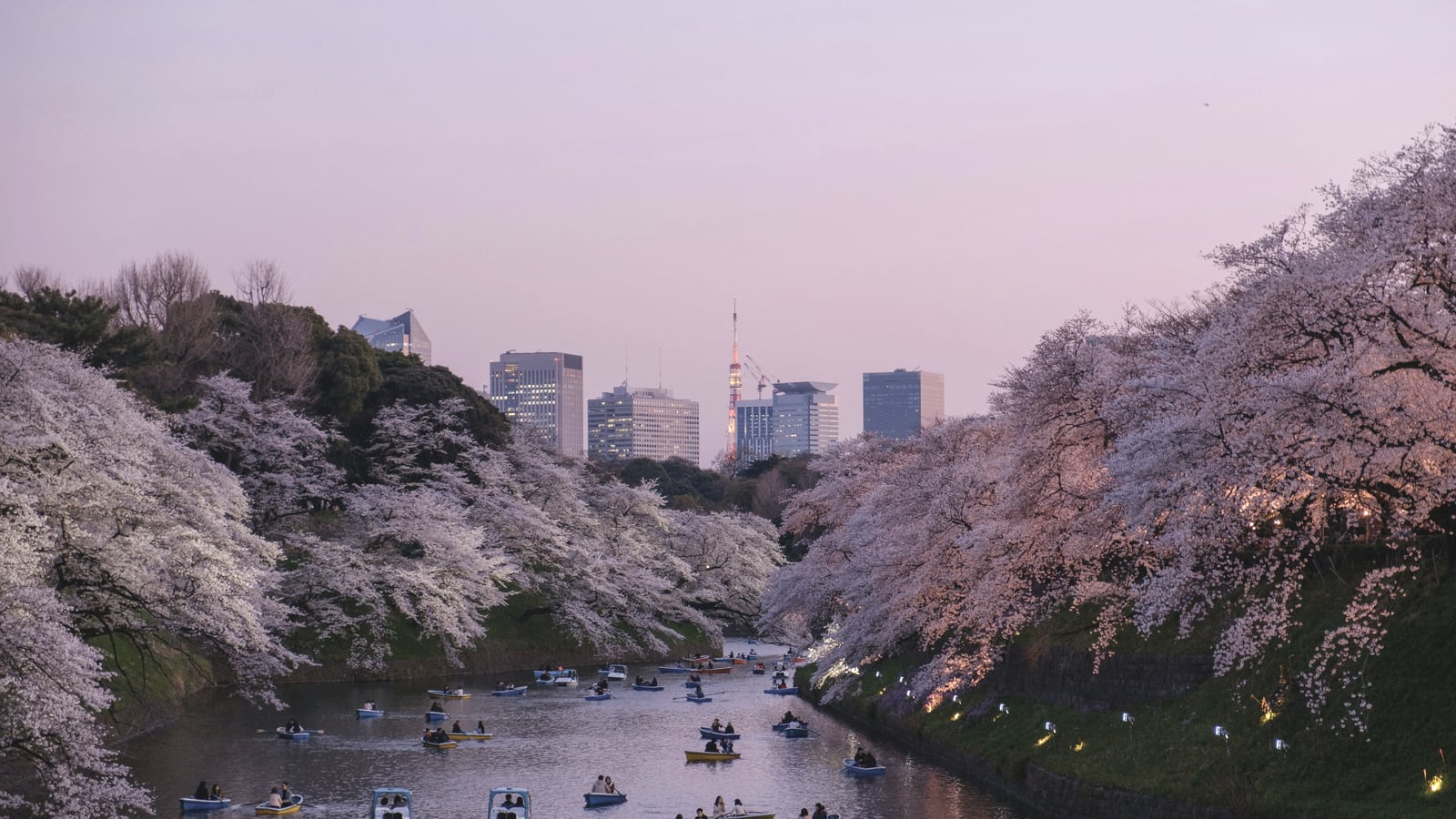
Manga for Adults: Where to Start If You Want Something Serious
Most manga recommendations default to shonen. But if you are an adult looking for something with more weight, complexity, or emotional maturity, there is a different set of entry points.
Short & Easy
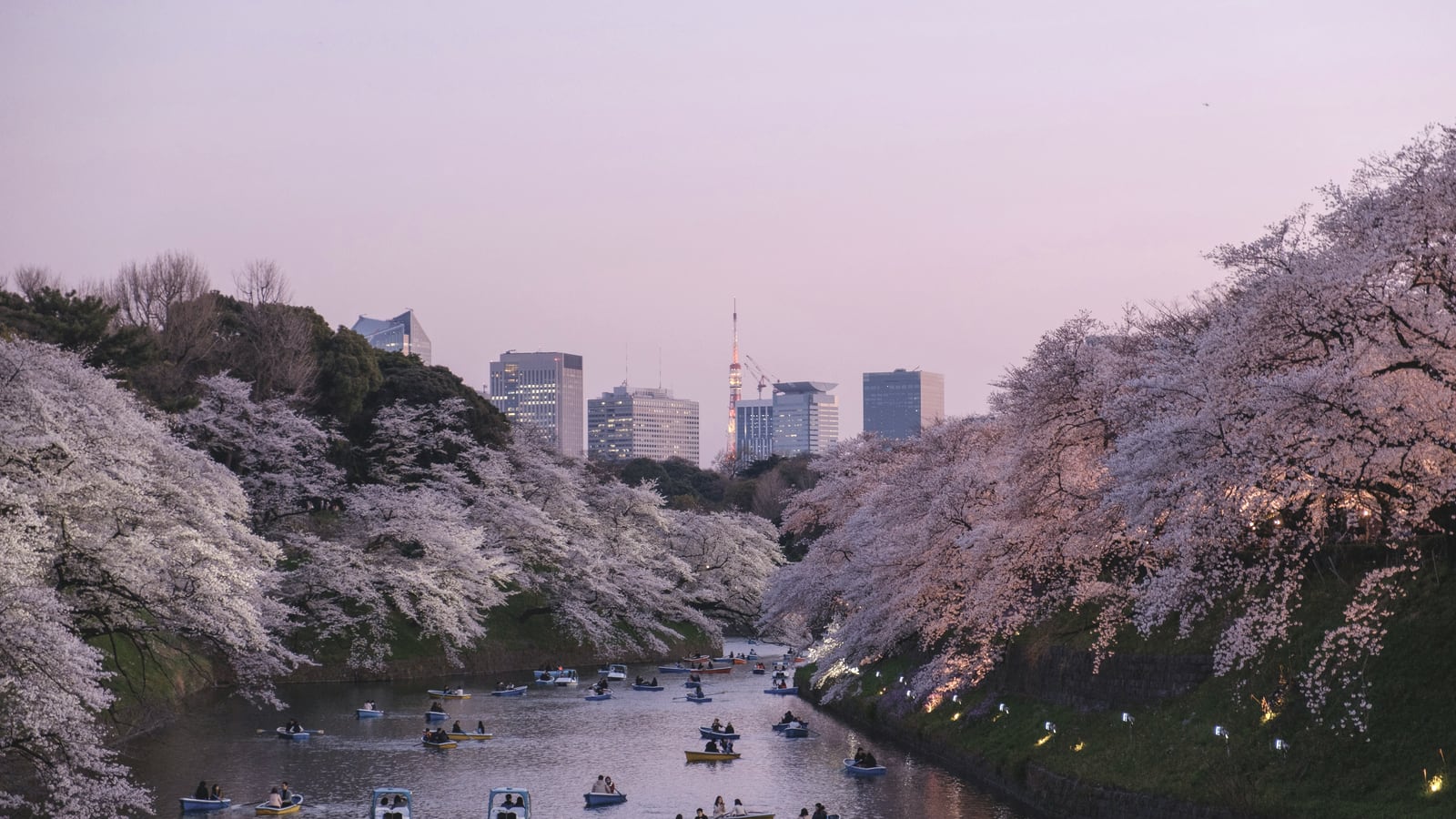
Short Manga for Beginners Who Want Something They Can Actually Finish
Long series are everywhere in manga. But if you are just starting out, finishing something is more valuable than starting something big. Here are short manga that work.
Beginners
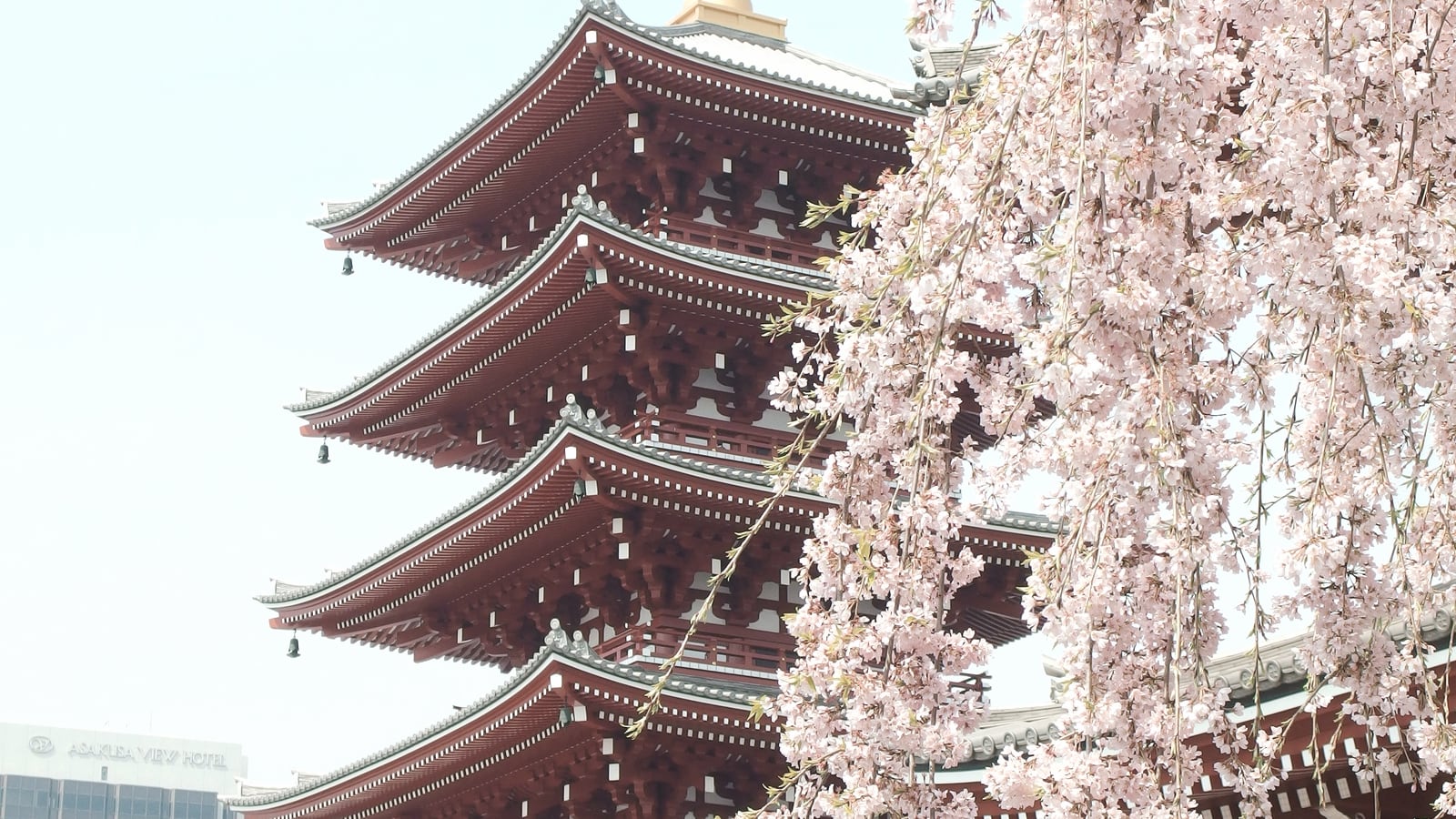
Where to Start with Manga If You Did Not Grow Up With It
Most manga guides assume you already know what you like. This one starts earlier — with the question of where to begin when everything feels too large.
Choose a topic above to narrow the archive by folklore, place, behavior, or storytelling.