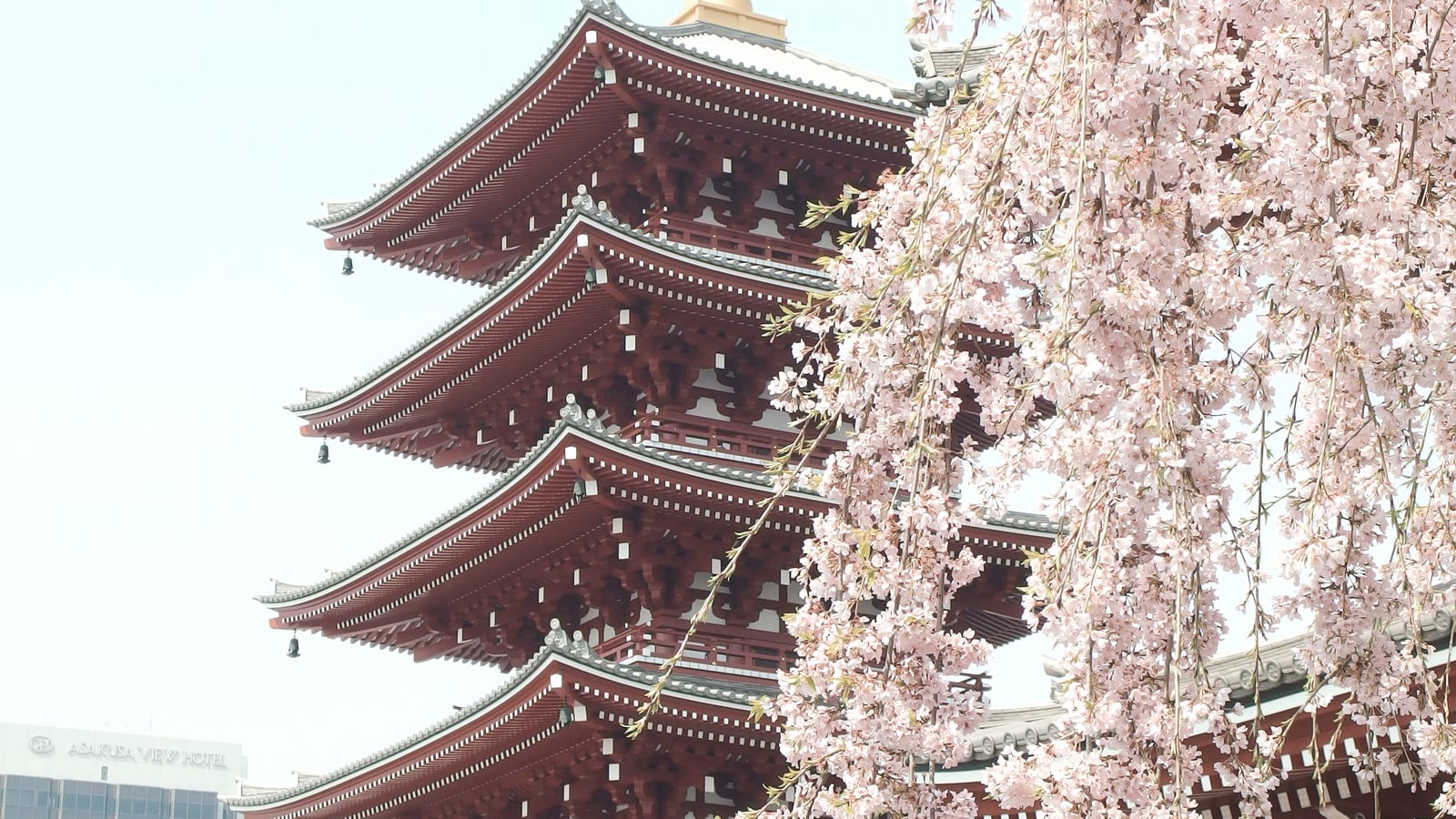
Fushimi Inari-taisha in Kyoto receives millions of visitors a year. Senso-ji in Asakusa is one of the most photographed sites in Japan. These places are famous for good reasons — they are historically significant, visually striking, and genuinely worth the visit.
But the shrines and temples that tell you the most about Japan are usually not the famous ones.
What makes a famous religious site famous
National-level shrines and temples became prominent through a combination of factors: imperial patronage, position on major travel routes, association with historically significant figures, and — in the modern period — inclusion in guidebooks and ranking systems that amplify what is already popular.
Many of them are genuine centers of religious practice. Fushimi Inari has thousands of daily worshippers, not just tourists. Meiji Jingu in Tokyo hosts shichi-go-san ceremonies, weddings, and new year visits that have nothing to do with tourism.
But their scale changes the experience. A site receiving ten thousand visitors a day has been organized around that volume. Staff manage flow. Souvenir shops occupy the approach. The sacred and the commercial are woven together in a way that is neither dishonest nor unusual in Japanese religious tradition — temples have always sold goods and amulets — but it means the primary atmosphere is crowd management rather than the quiet exchange the tradition was built around.
What a local shrine is
A chinju-sha — a guardian shrine for a specific community — is organized around its own community, not around visitors. Its festivals exist for the people who live nearby. Its kami is the kami of this neighborhood, this farming district, this particular stretch of coastline.
Nobody has designed the approach for optimal visitor flow. The stone lanterns are the ones donated by the local families over several generations. The plaques on the walls name people and businesses that have been coming here for decades. The maintenance is done by rotating volunteer groups from the community.
The atmosphere at these shrines is different from the famous ones — not because they are better designed, but because they are not designed for you at all. You are visiting someone else’s place.
What you can see there
At a local shrine, the relationship between the shrine and its community is visible in ways that large sites absorb and obscure.
The ema — the wooden wish plaques — contain prayers from people who live nearby. They are specific: a student asking to pass a particular exam, a family asking for a sick relative’s recovery, a new business asking for a good first year. Reading them is reading the community’s private hopes.
The torii donations, if there are any, list local names and dates — a record of who has approached this kami with what kind of gratitude. The festival announcements posted near the entrance name the date and the groups responsible for the food stalls. The chōchin lanterns hanging from the eaves may have faded kanji on them from a festival thirty years ago.
None of this is curated for the visitor. It is simply what is there.
The famous temples serve a different purpose
This is not an argument against visiting famous temples and shrines. They are famous for reasons that matter.
Tōdai-ji in Nara houses one of the largest bronze Buddhas in Japan and was once the center of a national network of provincial temples. The scale of the building is genuinely staggering and tells you something about the ambitions of eighth-century Japanese statecraft that no description fully captures.
Ise Jingū in Mie, rebuilt every twenty years in an act of continuous renewal, is the most important shrine in Shinto. Its simplicity — plain wood, no ornamentation — is itself the statement.
These places deserve the visits they receive. But they are answering a different question than the local shrine. They tell you about the heights of the tradition. The local shrine tells you about its roots — about what the tradition looks like when it is organized around the needs of ordinary people in a specific place.
How to find the local ones
They are not hidden. They appear on Google Maps as jinja or jingu or sha. Any town of any size has at least one; older neighborhoods often have several, one per district.
The ones worth finding have some combination of these qualities: a chinju no mori — a preserved grove of old trees around them — signs of recent use (fresh flowers, incense ash, new coins), and festival notices that suggest the community is still actively organized around them.
Walking toward the edges of the tourist circuit, into the residential streets and older neighborhoods, is usually enough to find them. They are rarely announced. They are simply there.