The standard Japan itinerary runs Tokyo, Kyoto, Osaka, maybe Hiroshima or Nara. These are all real places with real things in them, and the reasons they appear on every list are legitimate.
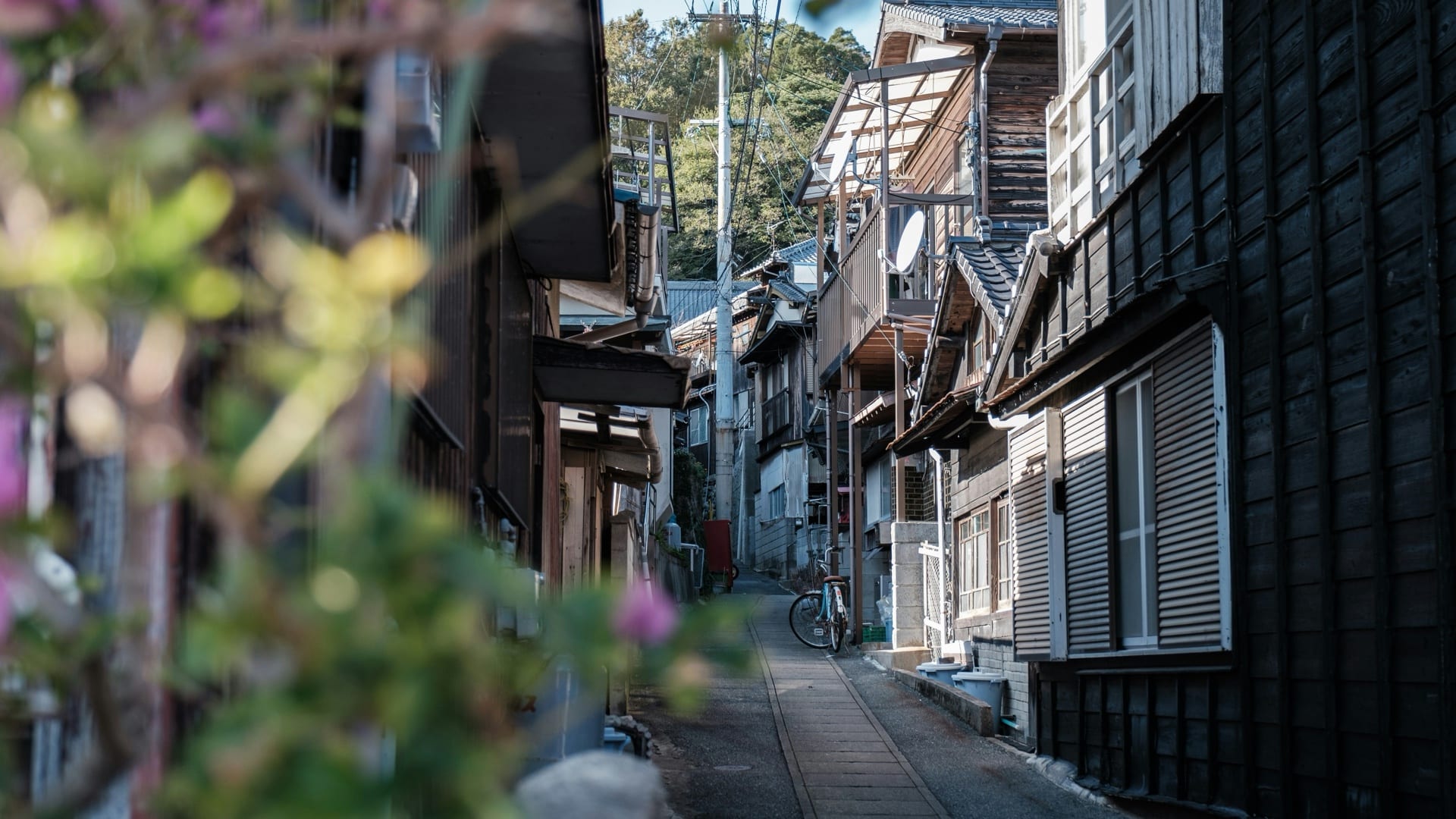
But the most interesting layer of Japan — the one that requires slowing down to see — is not usually on the main circuit.
What the main circuit optimizes for
Popular destinations in Japan are popular for good reasons: preserved heritage sites, efficient infrastructure, English signage, well-organized tourist systems. Kyoto has more UNESCO World Heritage sites than most countries. Tokyo is genuinely one of the most remarkable cities in the world to navigate as a newcomer.
What these places are less good at is the particular quality that comes from a place being primarily organized around its own life rather than around being visited.
The small castle town that receives fifty visitors a week instead of five thousand. The coastal village where the fish market opens at four in the morning and no one is performing it for anyone. The mountain onsen town where three old women run the bathhouse that has been in the same family for four generations. These places have a texture that the main circuit, however excellent, does not produce.
History distributed unevenly
Japan’s significant history is not concentrated in its major cities. It is distributed across the countryside in ways that geography and circumstance scattered over centuries.
The reason is partly the nature of Japan’s feudal period: hundreds of domains, each with their own castles, their own histories, their own significant battles and notable families. The concentration of power in Edo (Tokyo) after 1603 drew cultural weight toward the east, but it did not erase what existed elsewhere. It just made it quieter.
A small castle town in Nagano or Tottori or Kochi may have a military history as dramatic as anything in Kyoto — sieges, defections, memorable last stands — and it tells that history to a fraction of the audience.
The folklore stays local
In the major cities, folk tradition has been abstracted into museums, souvenir shops, and heritage displays. This is not dishonest, but it removes the tradition from the context that gave it meaning.
In smaller towns and rural areas, the tradition is often still in place. The shrine at the edge of town has a festival that the same families have been organizing for generations. The local yokai story is told by people who grew up hearing it from their grandparents. The sacred grove behind the community center has been sacred since before the road was built.
This is not universal — many rural areas in Japan have experienced significant depopulation, and traditions sometimes thin or disappear when communities shrink. But where the communities remain, the tradition often remains with them, lived-in rather than displayed.
The slowness is the feature
What smaller Japanese towns require, more than anything, is the willingness to not have an agenda.
The best things in these places do not announce themselves. The conversation with the sake brewer who explains why this valley’s water produces a particular taste. The roadside shrine so overgrown that you nearly walk past it. The view from the old fortification walls at dusk, with no one else present.
These are not packaged experiences. They happen in the gaps between scheduled activities.
Japan’s transit infrastructure makes this possible in a way it is not in most countries. Even the smaller towns are accessible by train or local bus. You can base in a small city and reach three or four smaller places in a day without difficulty.
What to look for
The most reliable indicators that a small town has interesting layers:
- A castle, even a ruined or reconstructed one. Castle towns are historical towns.
- A significant shrine or temple that is not on the main tourist circuit — visible on maps, present in the community’s life, but rarely mentioned in general guides.
- A sake brewery, miso producer, or other craft that has been in the same location for generations. These places are memory as much as commerce.
- A local festival (matsuri) still organized by the community. The festival calendar is online; matching it to a planned itinerary is not difficult.
- A machiya (old townhouse) district that survived development. These districts are not common, but they preserve a spatial texture that modern rebuilding erases.
None of these require anything special to find. They require the decision to look at the map of Japan and notice all the places that are not on the standard route.
There are a great many of them.