
Shrines / Foxes / Inari
Are Kitsune Good or Evil?
Kitsune appear as tricksters, divine messengers, and shapeshifters. Whether they are good or bad depends entirely on the context — and that is the point.
Yokai / Folklore / Spirits
Kami vs Yokai: The Simple Version
Both kami and yokai are central to Japanese spiritual life. They are not the same thing — and knowing the difference changes how you read shrines, folk stories, and the landscape itself.
Shrines / Foxes / Inari
What Inari Really Means
Inari is one of the most widely worshipped kami in Japan. But what Inari actually represents is often misunderstood. Here is the longer version.
Yokai / Folklore / Spirits
What Is a Yokai?
Yokai are a central part of Japanese folklore. But what the word actually means — and why it covers such a strange range of beings — is worth understanding on its own terms.
Yokai / Folklore / Spirits
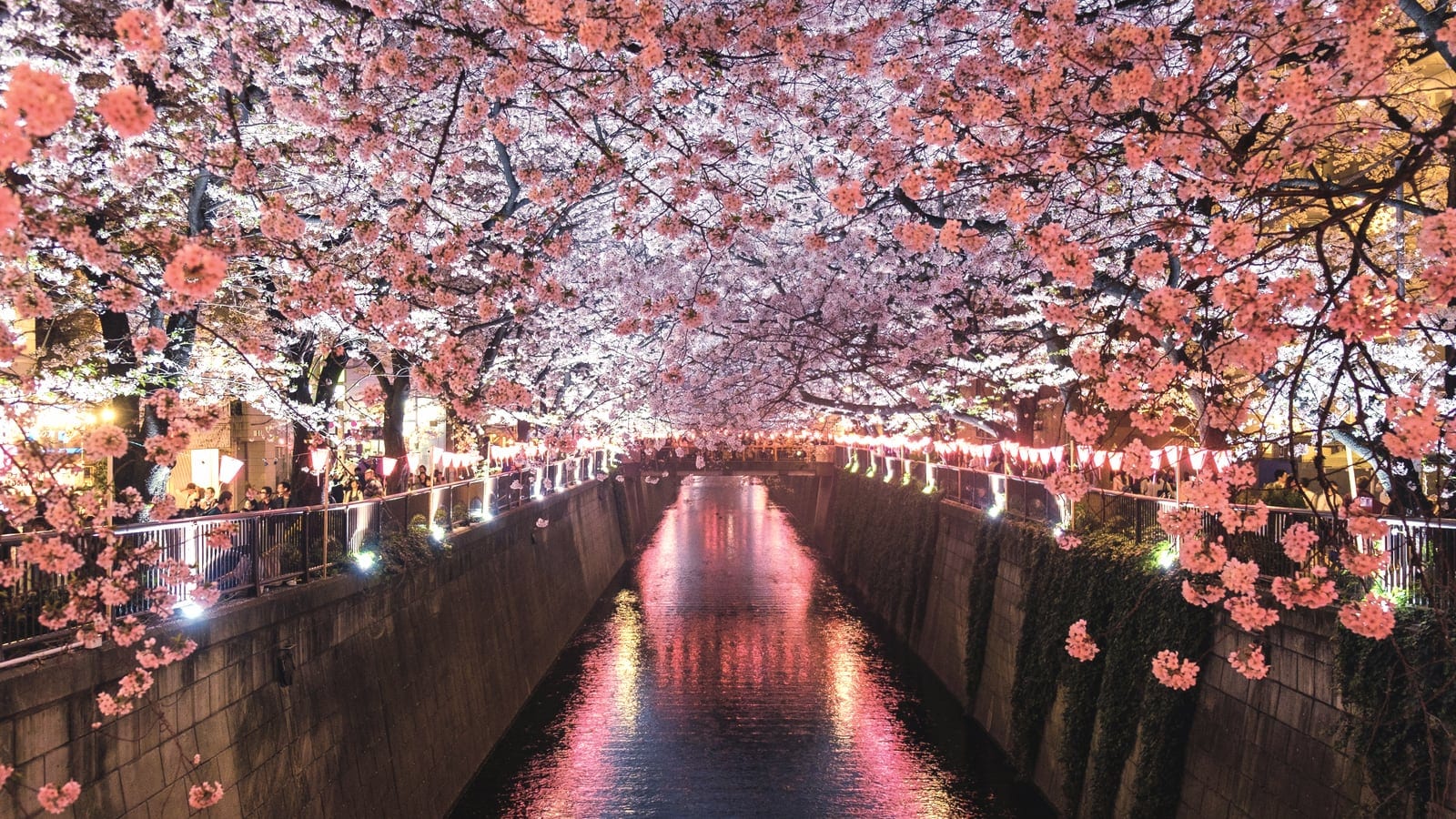
Why Folklore Survives in Everyday Places
Japan's folk tradition did not retreat into museums. It persists in neighborhoods, festivals, vending machine placements, and the way certain places are maintained. Here is why.
Shrines / Foxes / Inari
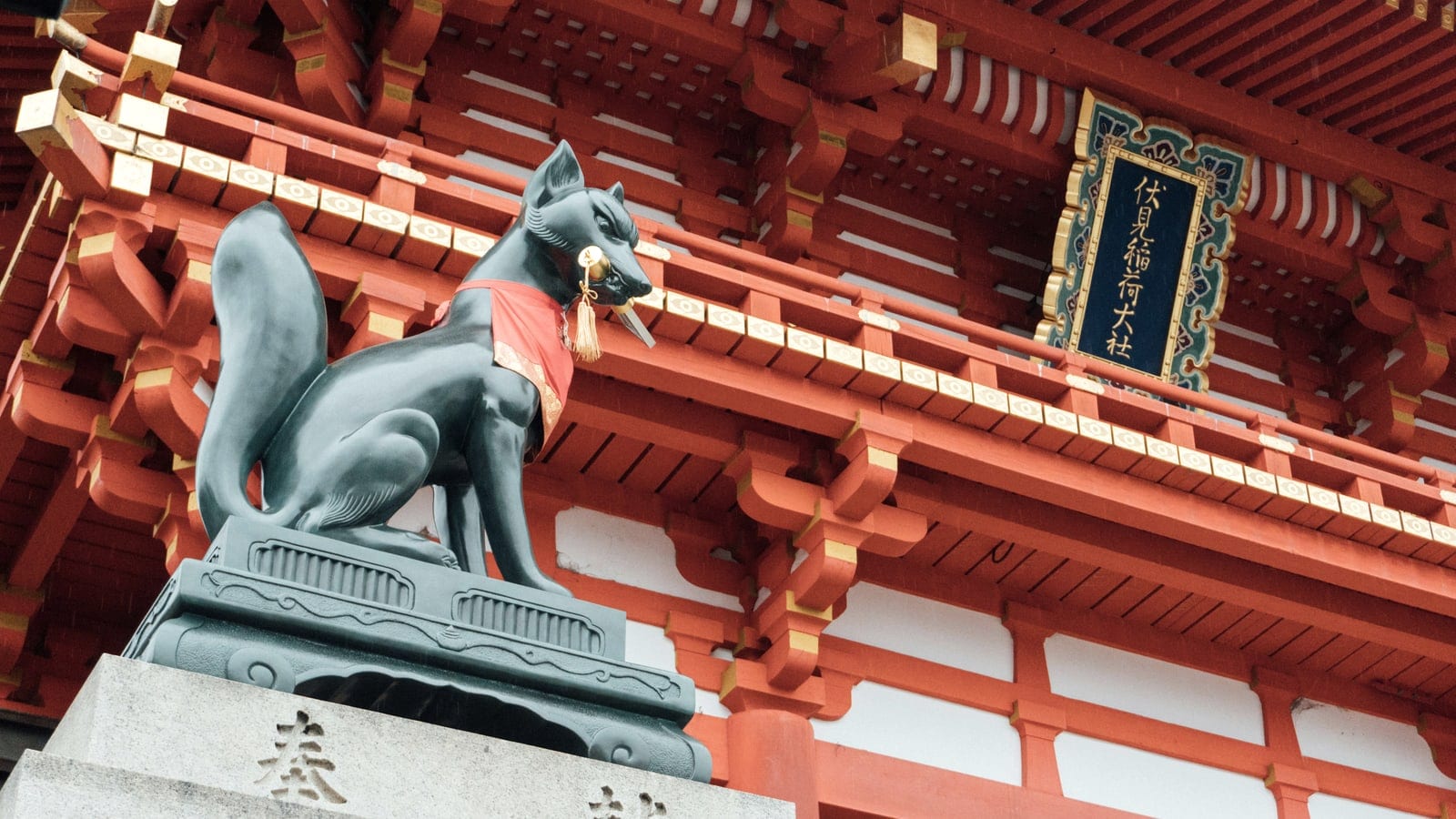
Why Foxes Appear at Japanese Shrines
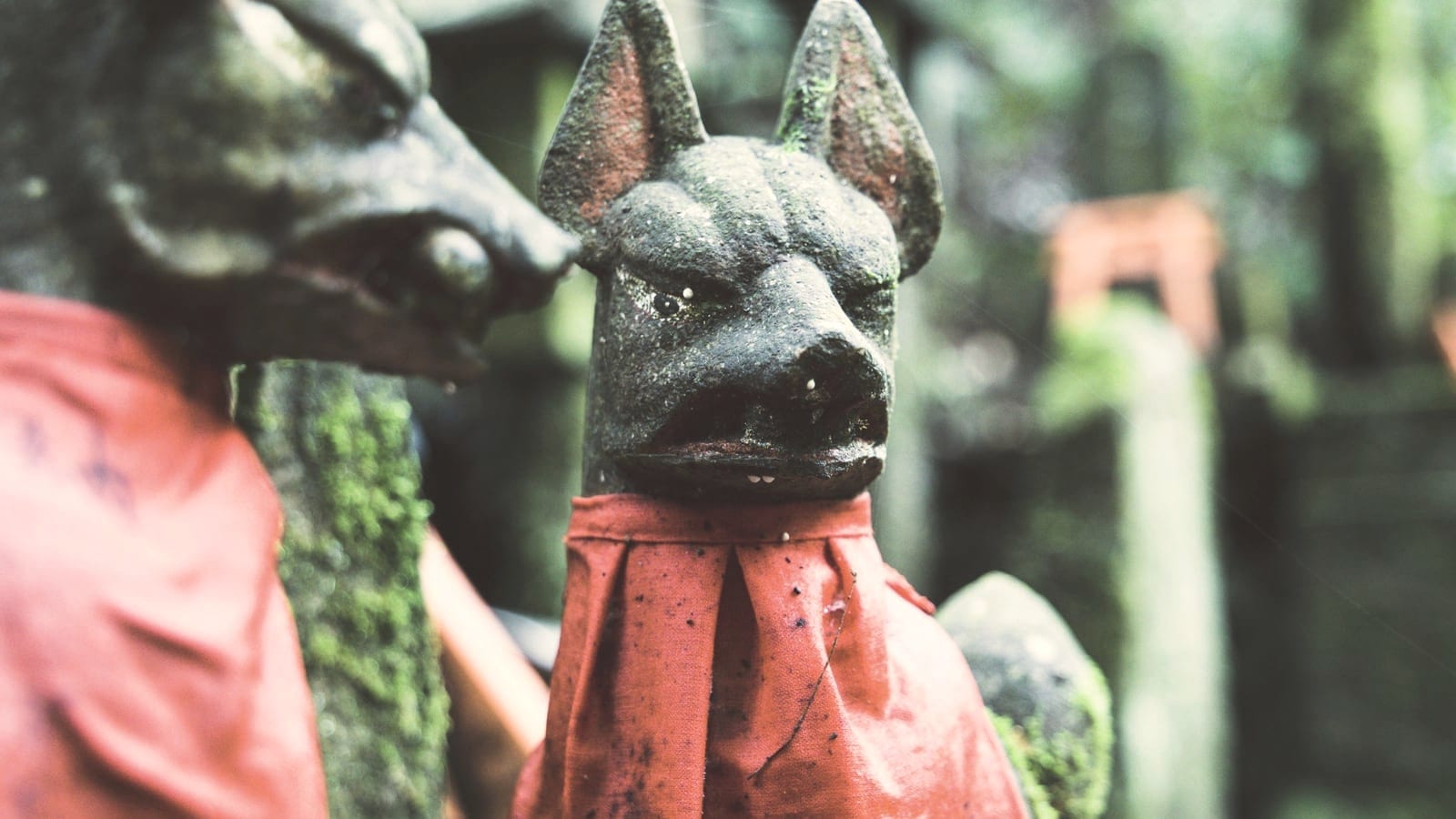
Fox statues at Japanese shrines are easy to overlook. They often point to Inari worship, messenger symbolism, and the older idea of foxes as beings connected to boundaries.
Yokai / Folklore / Spirits
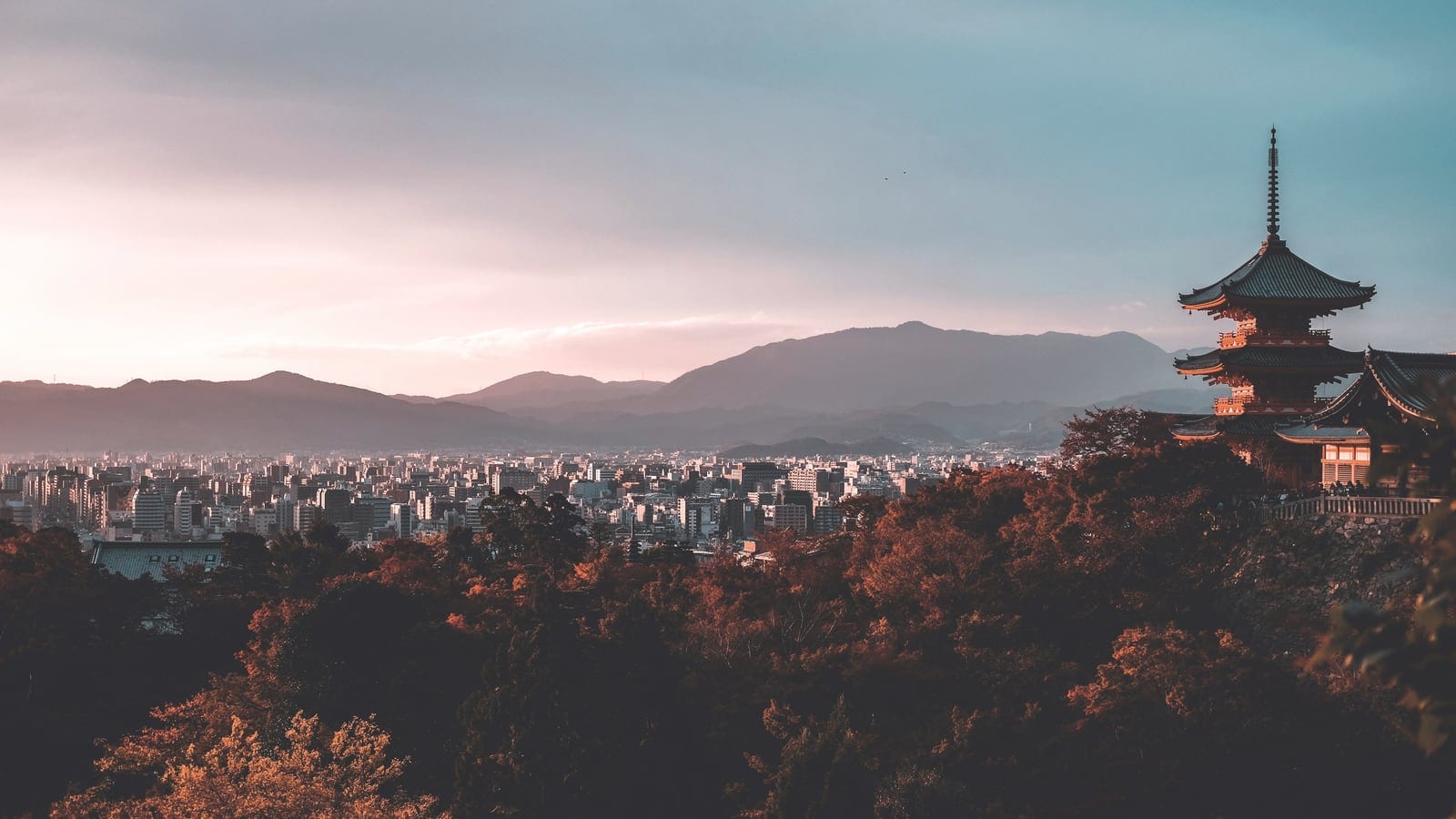
Why Japanese Ghosts Often Feel Different
Japanese ghosts are not quite like the ones in Western tradition. The difference is not aesthetic — it reflects a different understanding of why the dead return.
Local Context
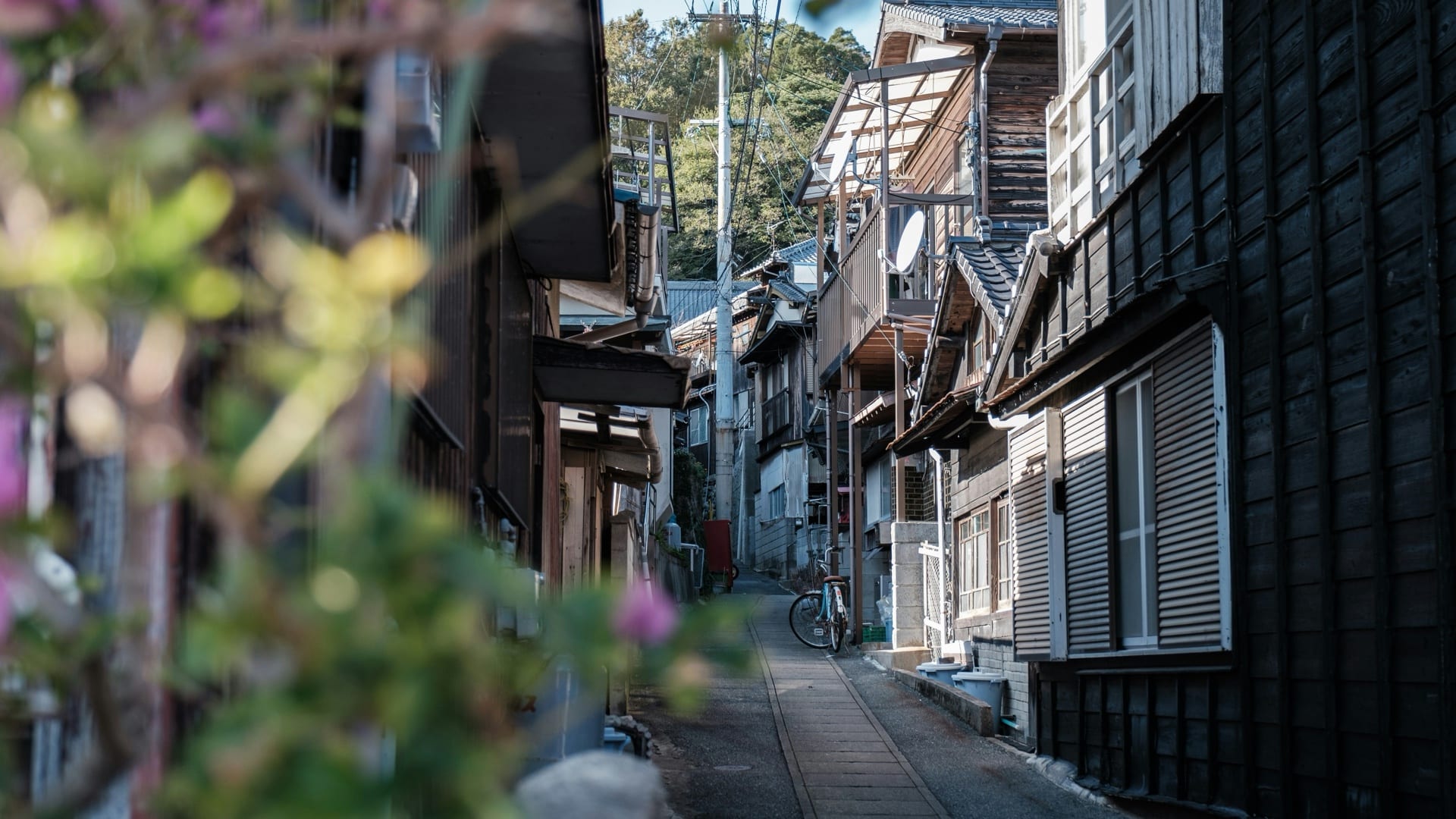
Why Small Japanese Towns Hide the Best Stories
Japan's most visited cities are worth visiting. But the most interesting layers of Japanese history, folklore, and daily life are usually found somewhere quieter.
Yokai / Folklore / Spirits
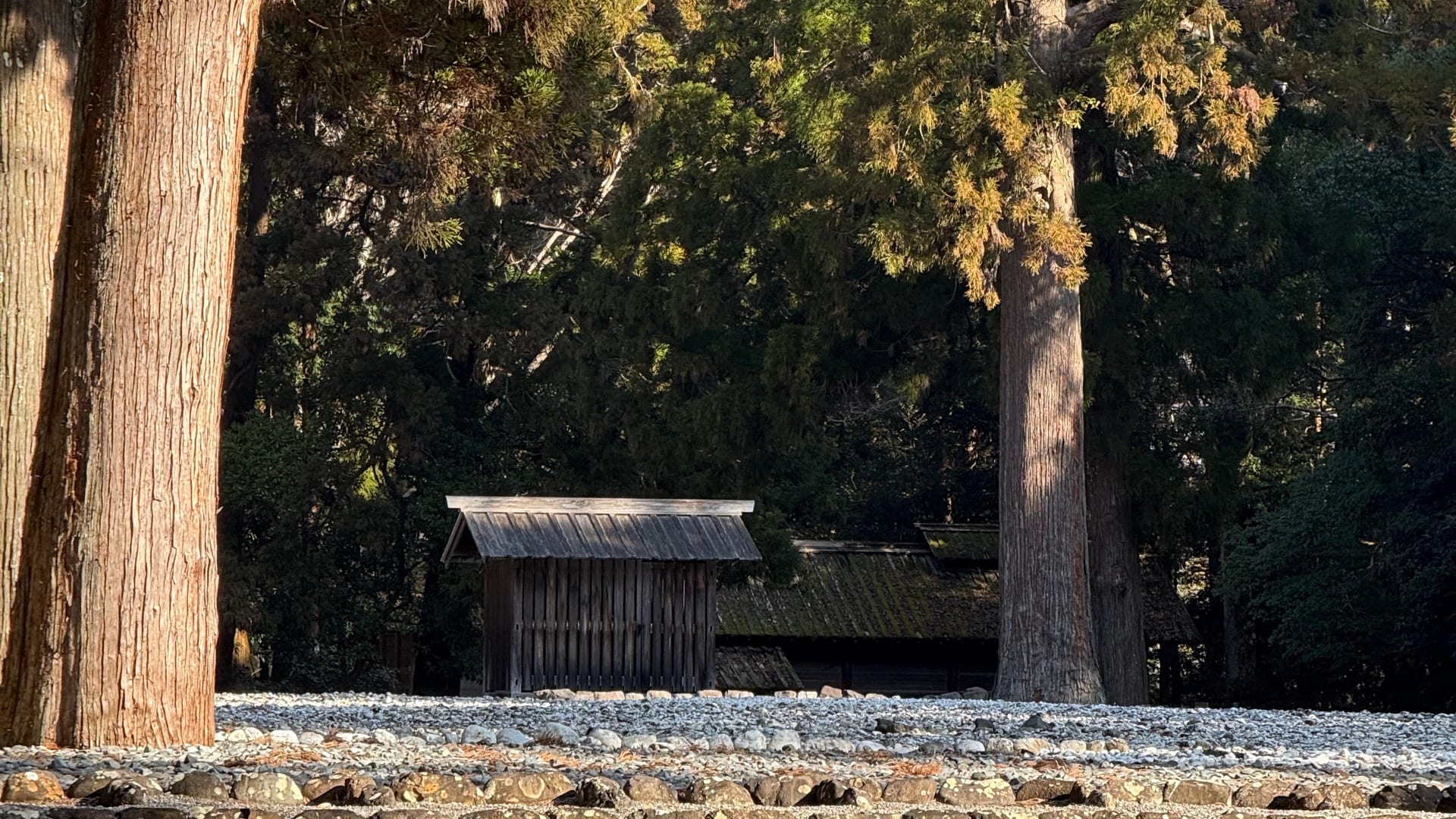
Why Some Spirits Are Local
Many of Japan's most interesting spiritual beings are tied to a specific place — a village, a mountain, a river bend. Why locality matters so much in Japanese folk belief.