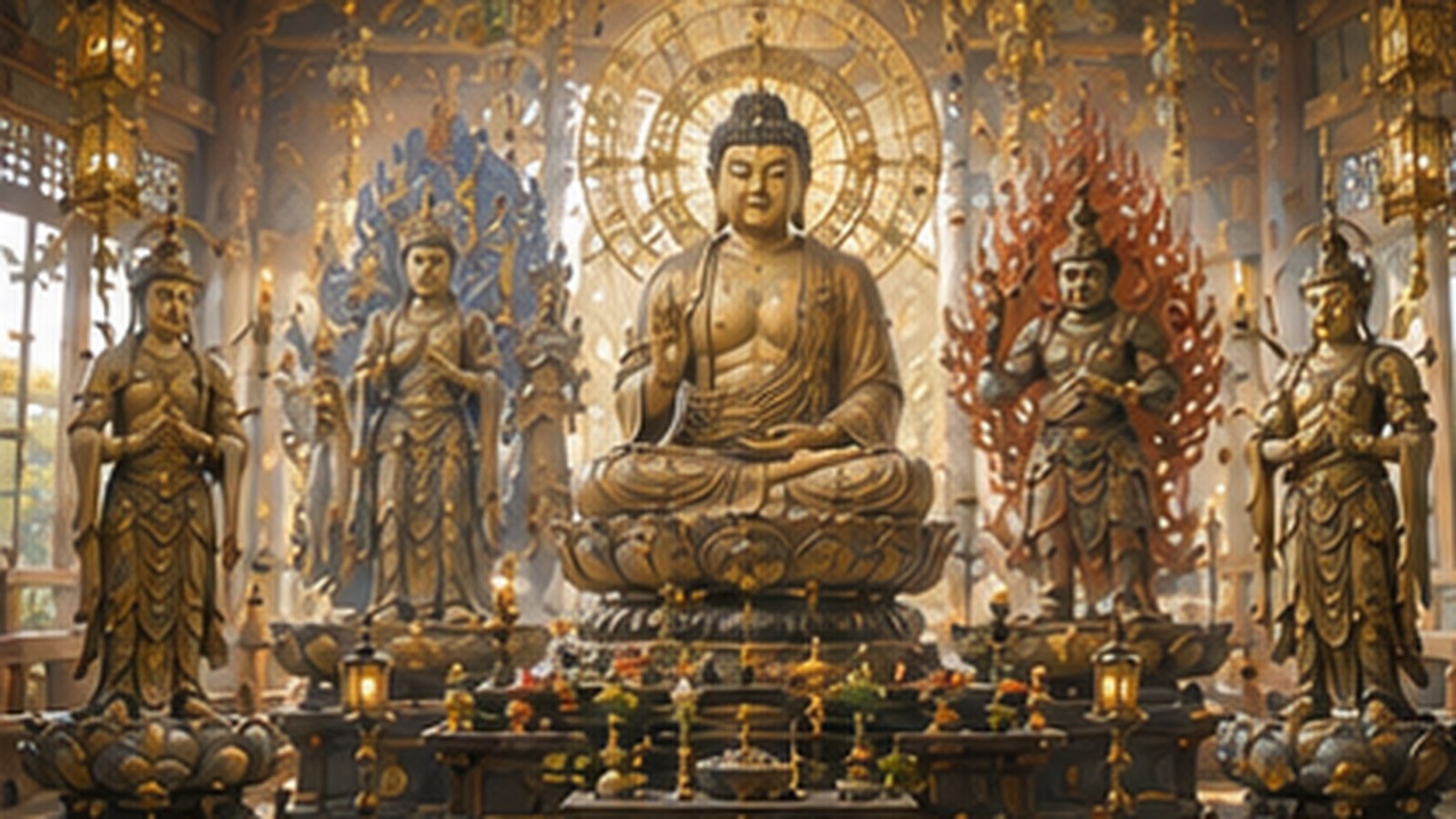

Temples / Buddhas / Buddhism
Who Are the Buddhas You Meet at Japanese Temples? — Buddhas, Bodhisattvas, Wisdom Kings, and Devas
A gentle introduction to the figures you encounter inside Japanese Buddhist temples. The four broad layers — Buddha (Nyorai), Bodhisattva (Bosatsu), Wisdom King (Myōō), and Deva (Tenbu) — in plain language.
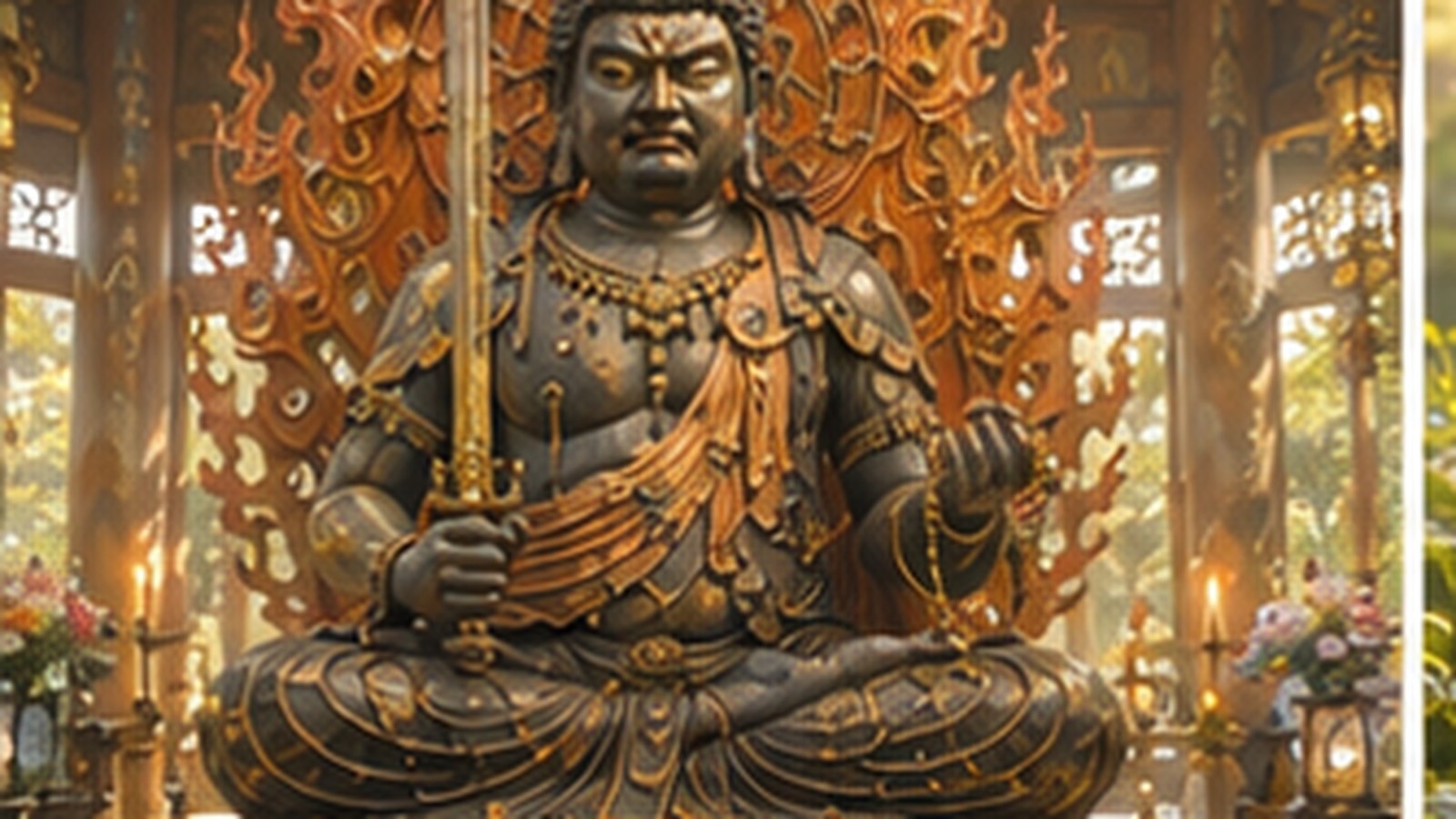
Temples / Buddhas / Myōō
Who Is Aizen Myōō?
The red-skinned, six-armed Wisdom King who turns the most warned-against emotion in Buddhism — desire — into awakening. A distinctive Esoteric figure venerated for love, marriage, and the dyeing trades.
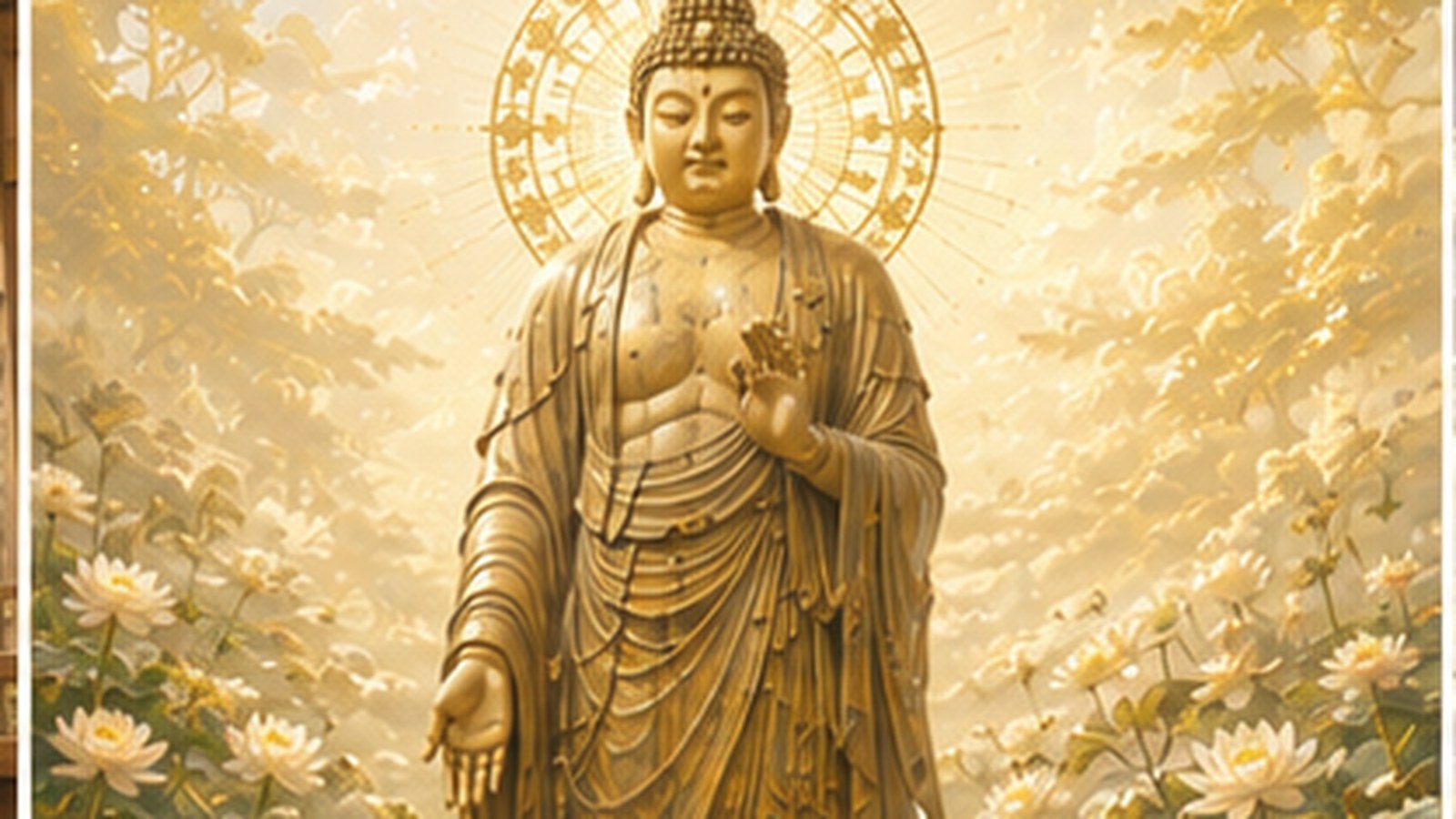
Temples / Buddhas / Nyorai
Who Is Amida Buddha?
The principal Buddha of Pure Land Buddhism, and the most widely enshrined Buddha in Japanese homes. The story of the forty-eight vows and the figure who comes to meet the dying at Byōdō-in and beyond.
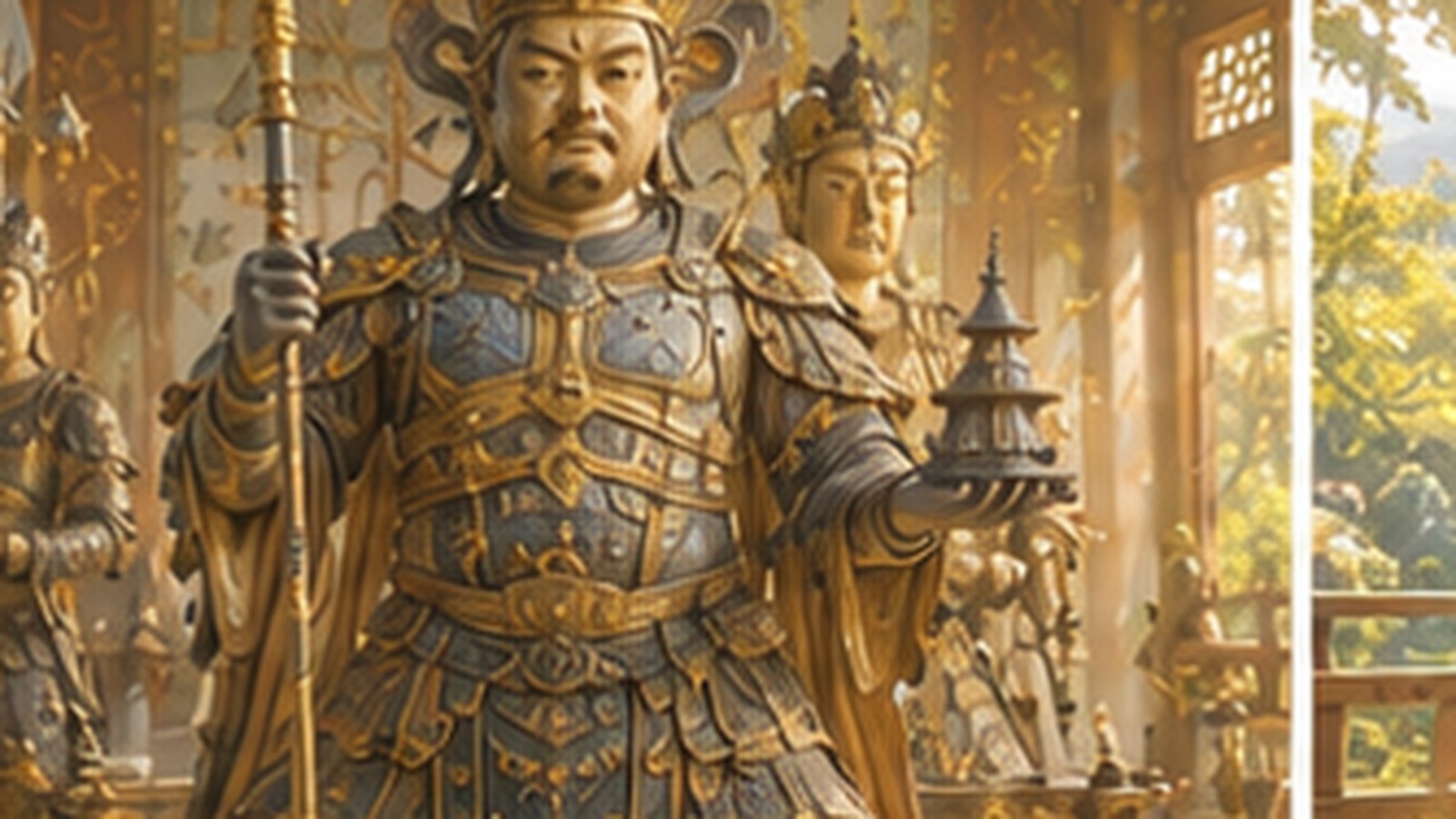
Temples / Buddhas / Tenbu
Who Is Bishamonten?
Armored and lifting a jeweled pagoda, Bishamonten stands as one of the Four Heavenly Kings who guard the Buddhist Law — and as one of the Seven Lucky Gods. A martial protector enshrined at Kurama-dera and Shigi-san.
Temples / Buddhas / Nyorai
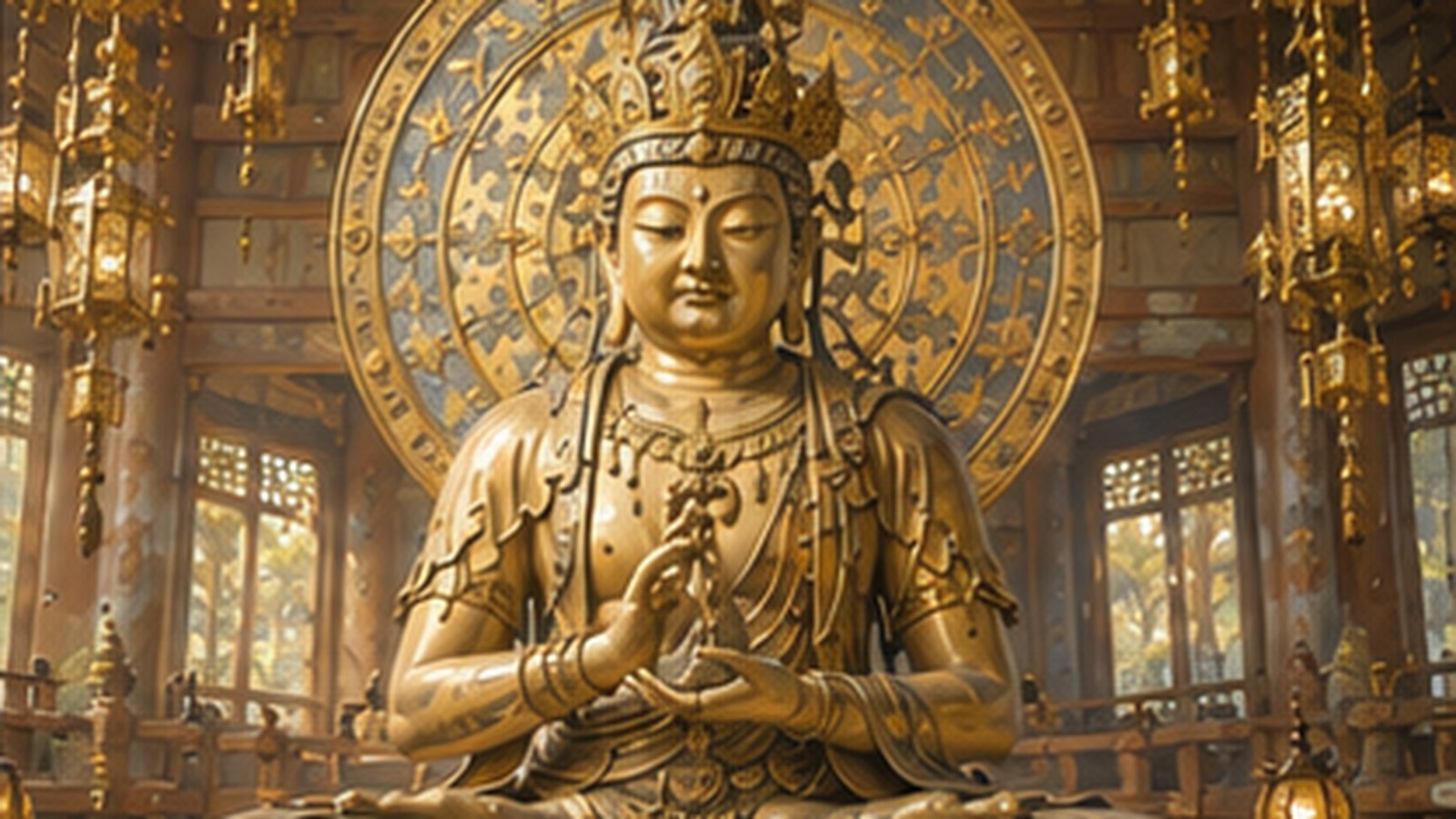
Who Is Dainichi Buddha?
The cosmic Buddha at the center of Shingon Buddhism. Mahāvairocana embodies the idea that the universe itself is Buddha — and his statues, uniquely among Nyorai, wear princely ornament. Where to find him on Mount Kōya.
Temples / Buddhas / Zen
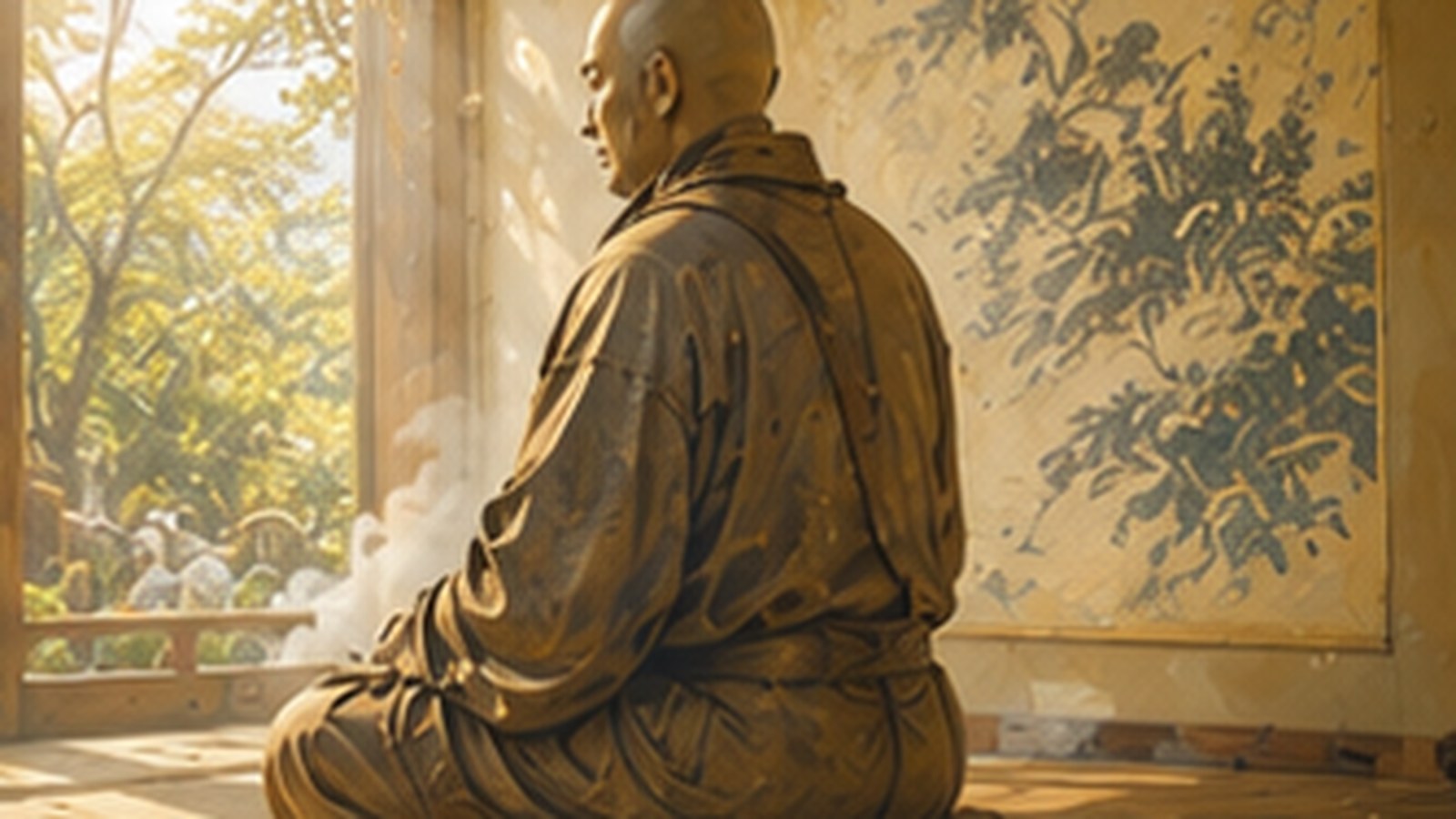
Who Is Bodhidharma (Daruma Daishi)?
The figure transmitted as the founder of Zen. A monk said to have crossed from India to China and to have sat nine years facing a wall — and the origin of the round red Daruma doll that lives all over Japanese New Year.
Temples / Buddhas / Myōō
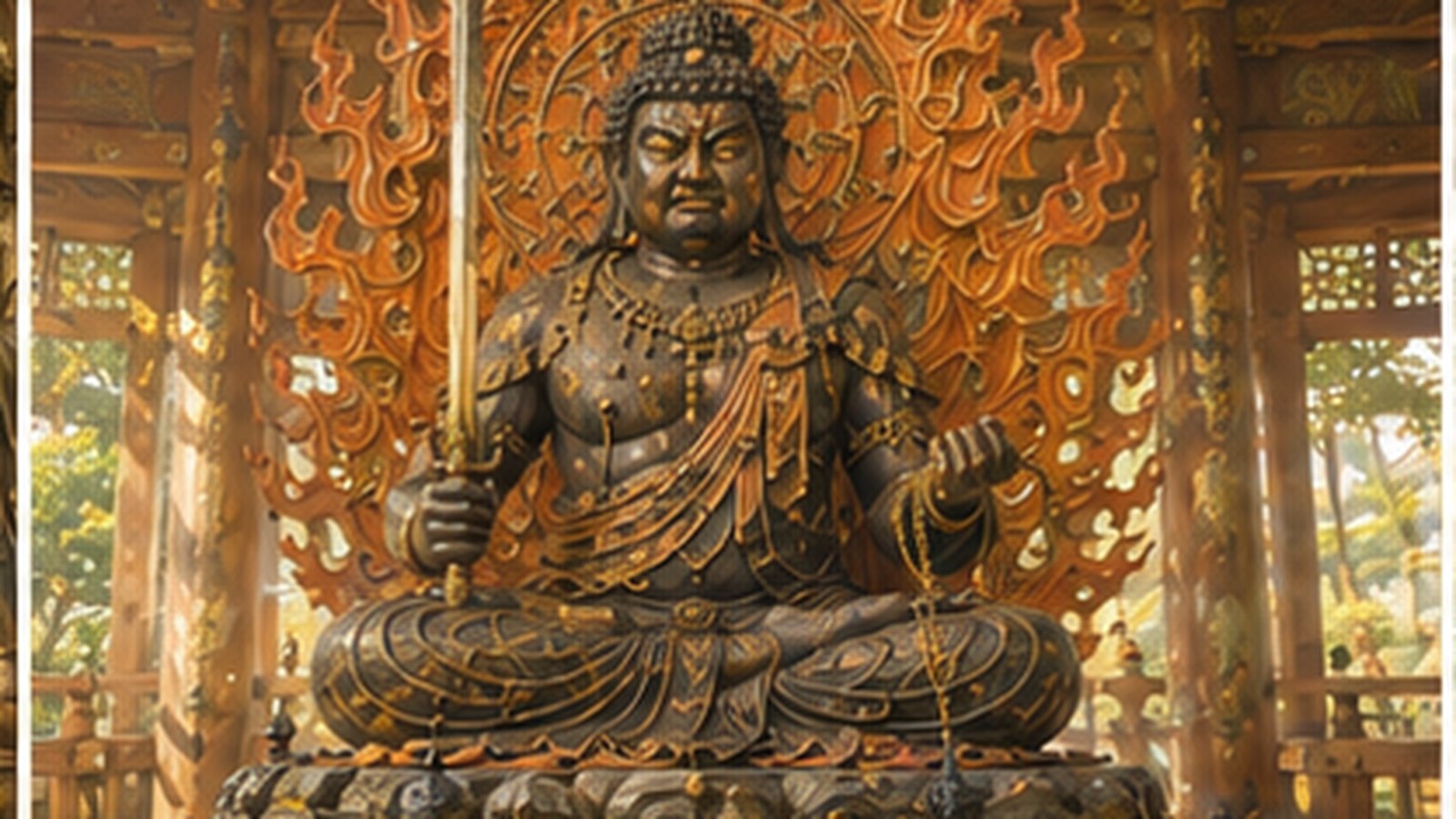
Who Is Fudō Myōō?
The wrathful Wisdom King standing in flames, sword in one hand, rope in the other. His anger is described as compassion turned outward to cut through delusion. The most widely venerated Myōō in Japan.
Temples / Buddhas / Bosatsu
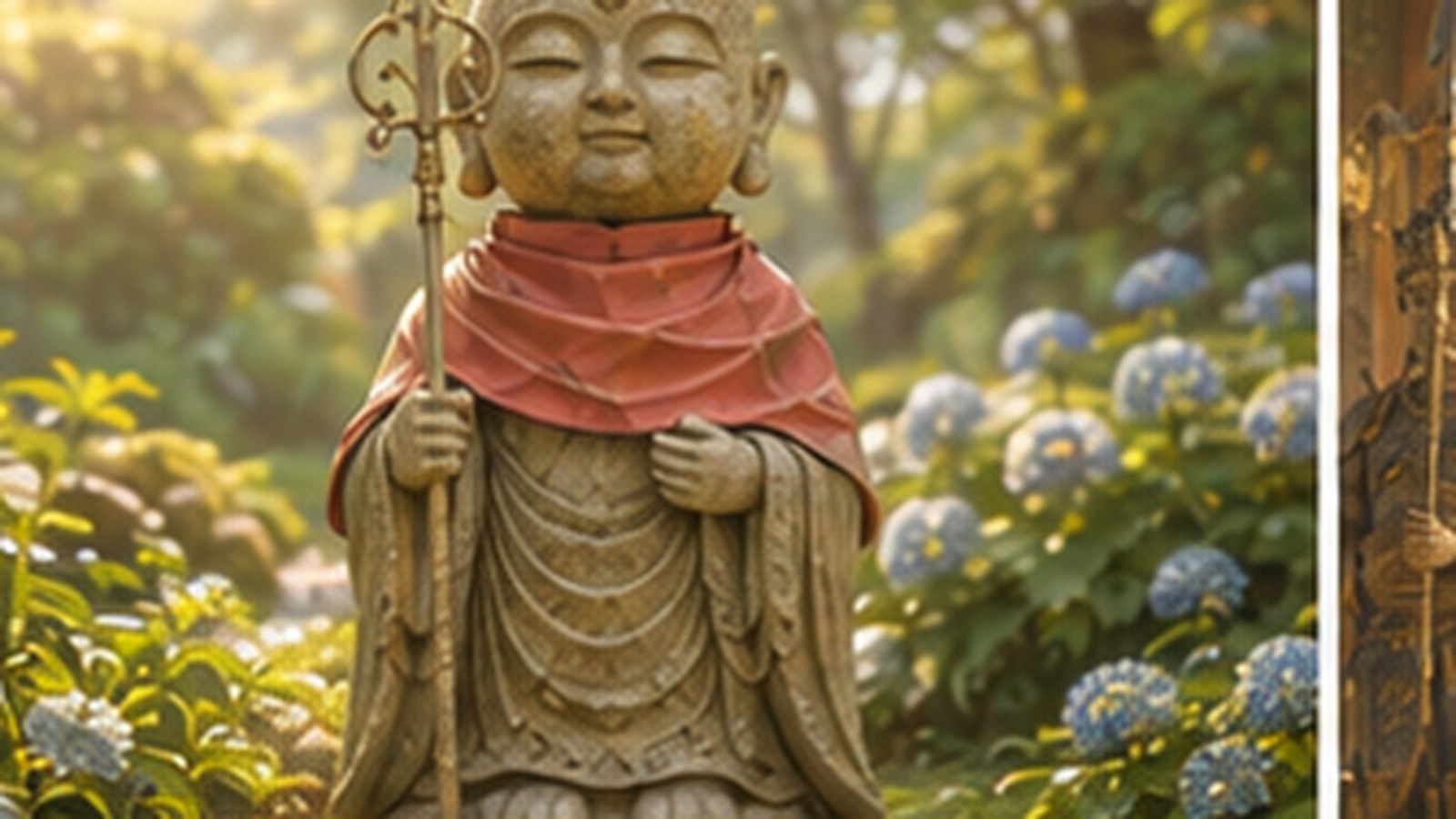
Who Is Jizō Bodhisattva?
The small stone figure with a red bib you see at roadsides, on mountain passes, beside cemeteries. Protector of children, guide of the departed — the bodhisattva closest to ordinary Japanese life.
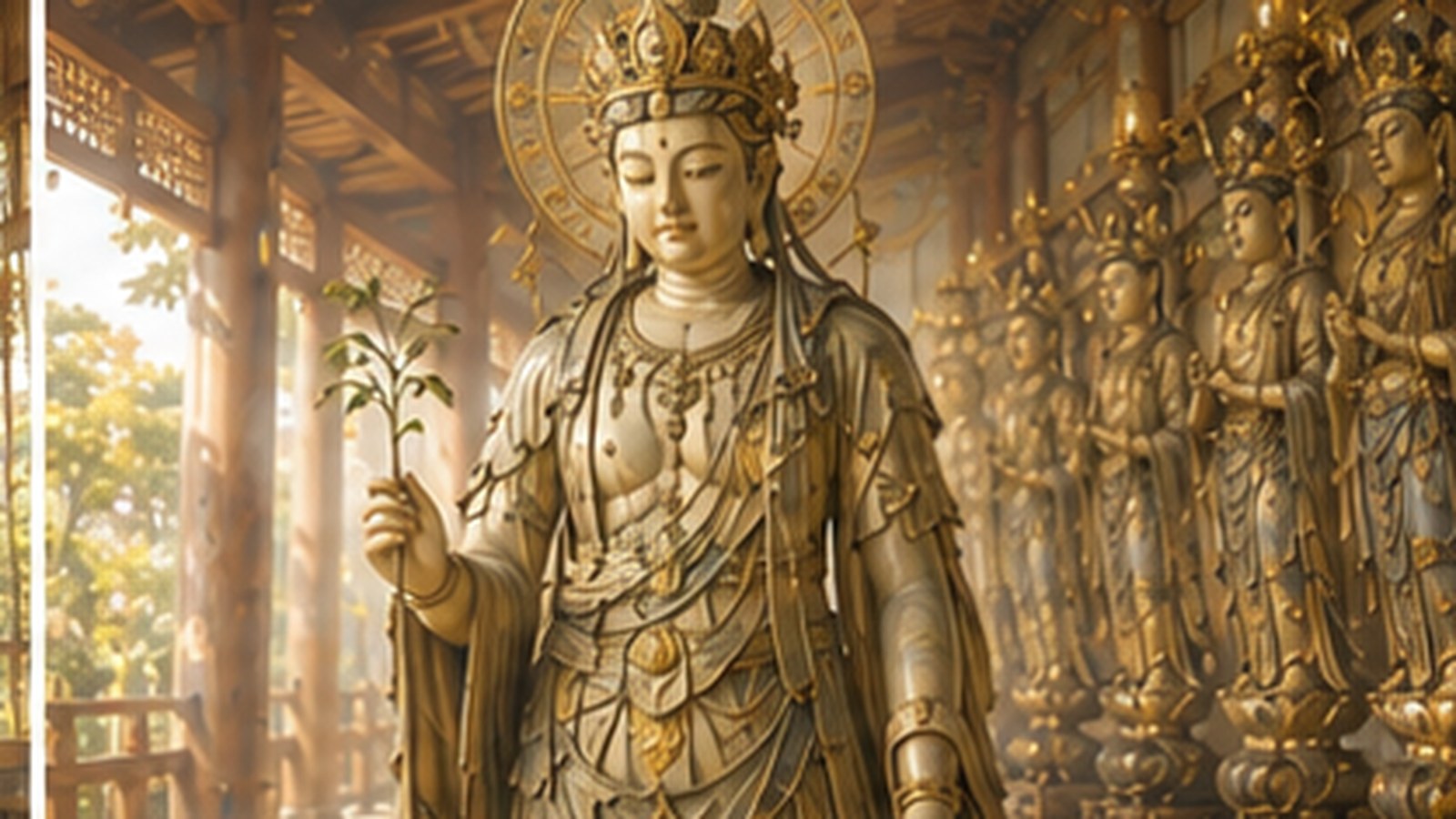
Temples / Buddhas / Bosatsu
Who Is Kannon Bodhisattva?
The bodhisattva who hears every cry and changes form to meet the one who calls. Thirty-three manifestations, a thousand arms, eleven faces — Kannon is the most widely venerated bodhisattva in Japan.
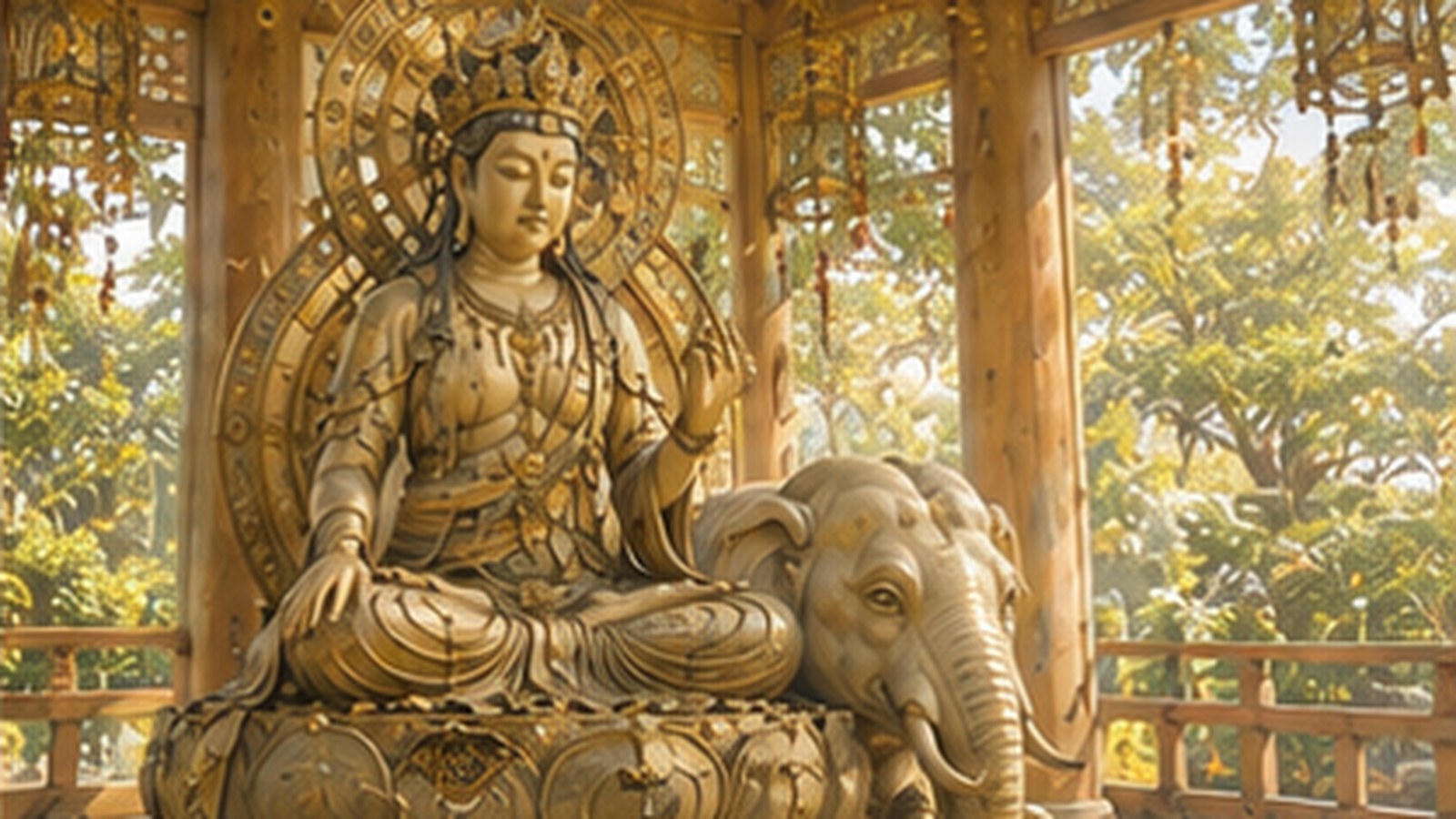
Temples / Buddhas / Bosatsu
Who Is Miroku Bodhisattva?
The future Buddha — Maitreya, said to descend to this world 5.67 billion years after Shakyamuni. The famous half-seated thinking figure at Kōryū-ji in Kyoto captures him mid-contemplation.
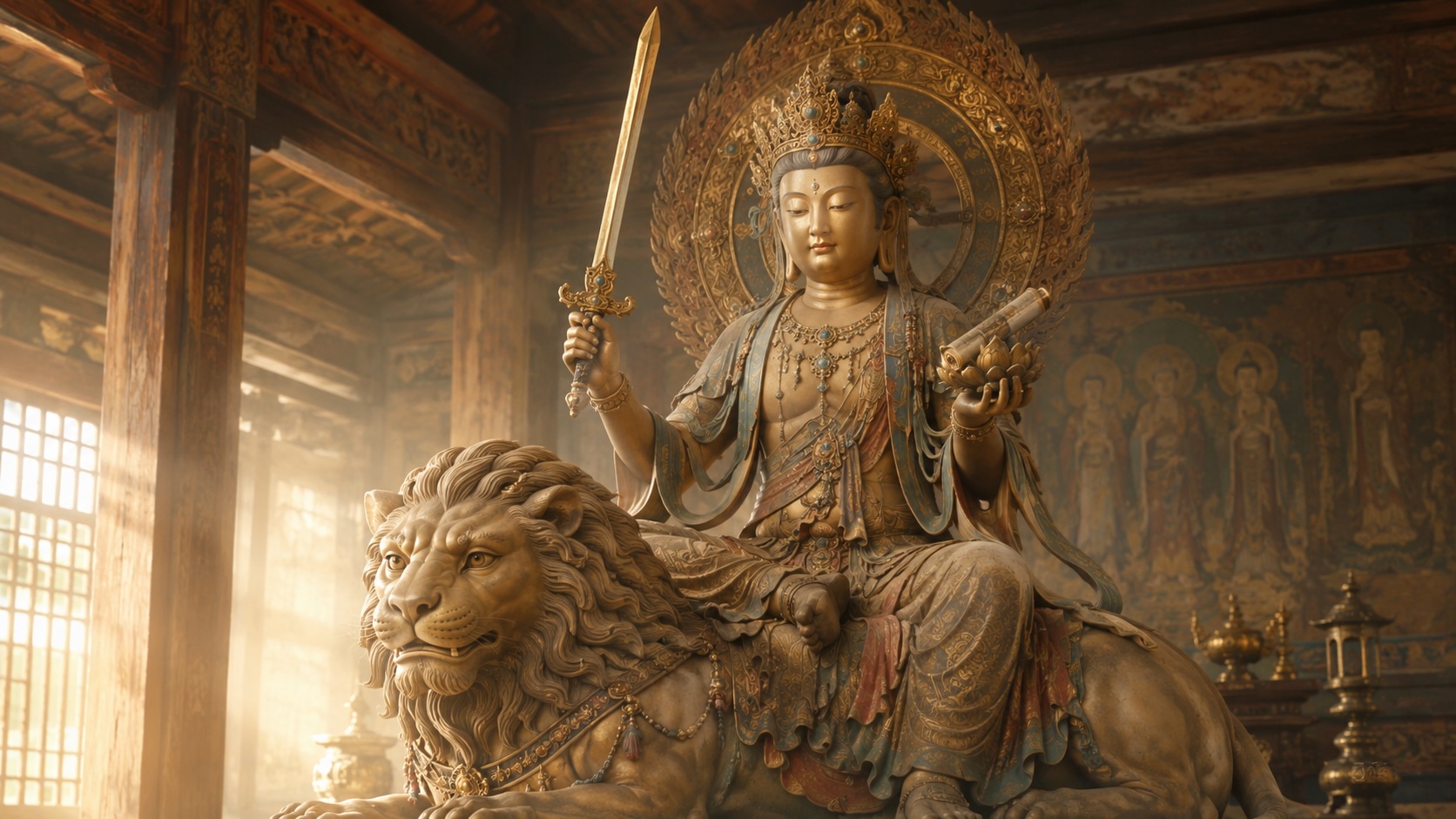
Temples / Buddhas / Bosatsu
Who Is Monju Bodhisattva?
The bodhisattva of wisdom, mounted on a lion, sword in hand. Known to anyone who's heard the proverb 'three heads together make Monju's wisdom' — the figure students still pray to before exams in Japan.
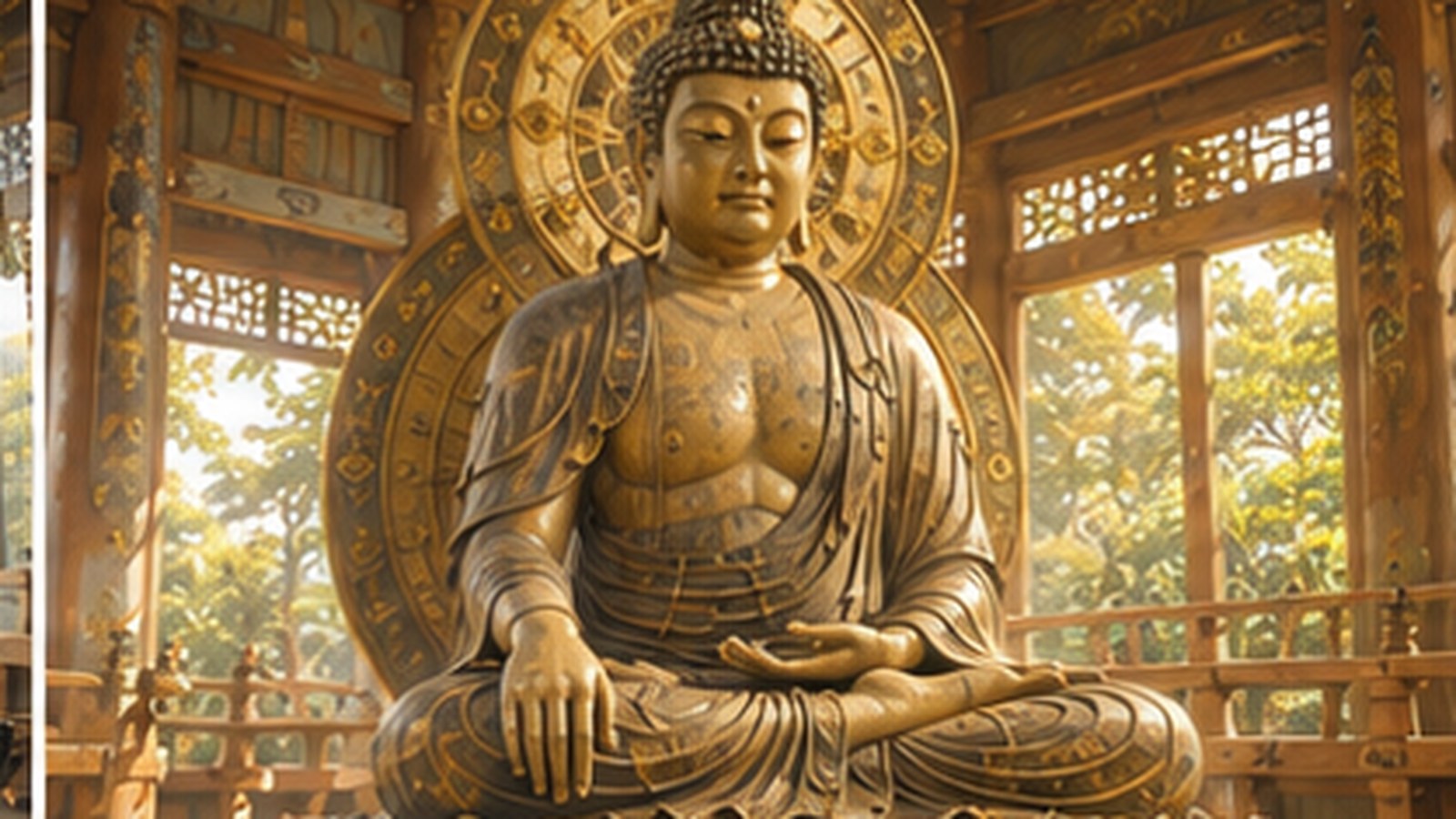
Temples / Buddhas / Nyorai
Who Is Shakyamuni Buddha?
The founder of Buddhism, depicted in his post-awakening form. Enshrined as the principal Buddha at Zen head temples like Sōji-ji in Yokohama, his quiet seated figure stands at the starting point of all Buddhist tradition.
Temples / Buddhas / Nyorai
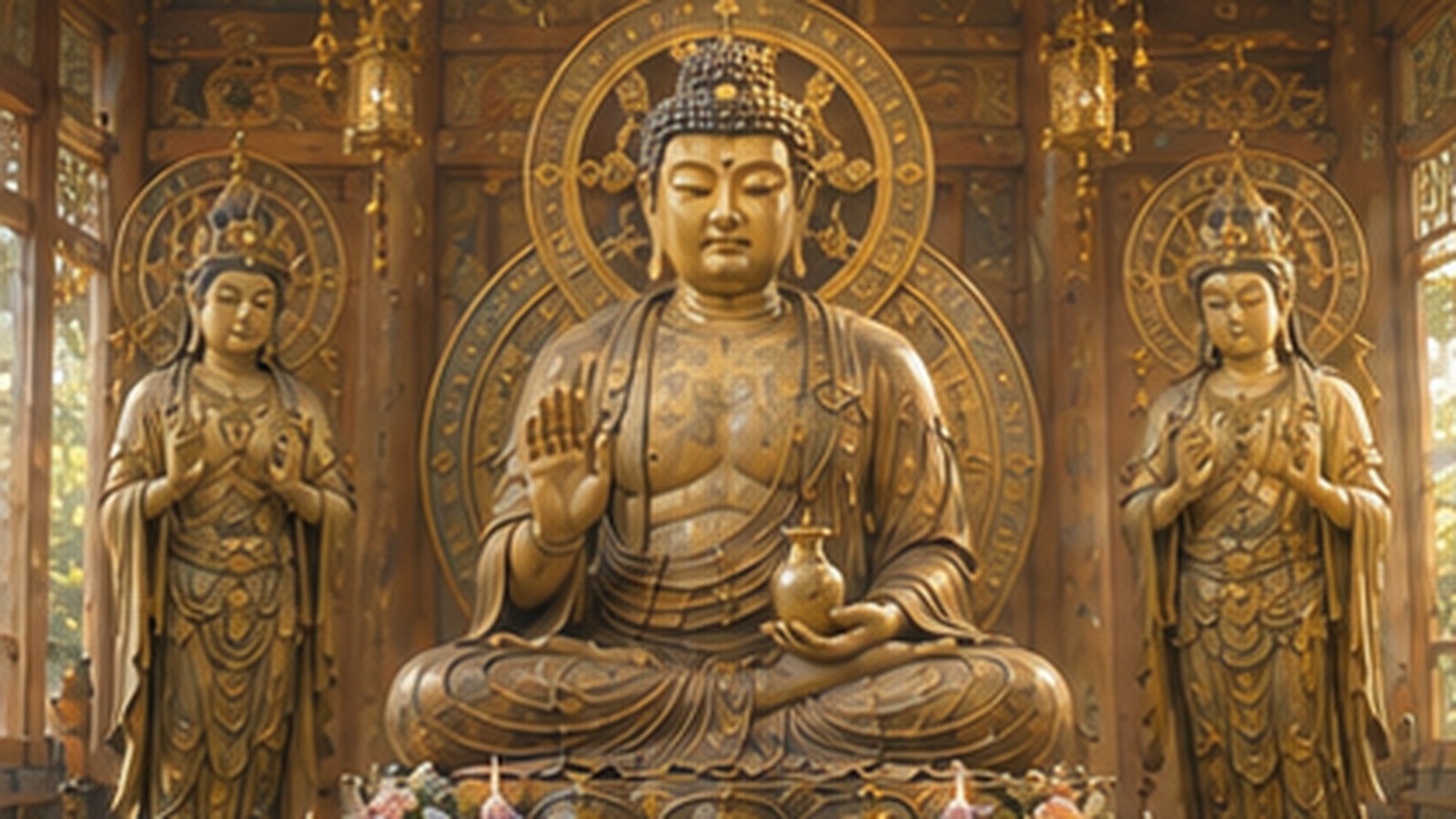
Who Is Yakushi Buddha?
The Medicine Buddha — the Buddha who heals illness and removes suffering of the body. Identifiable by the small medicine jar in his left hand, found at Yakushi-ji and across Japan.
Local Context
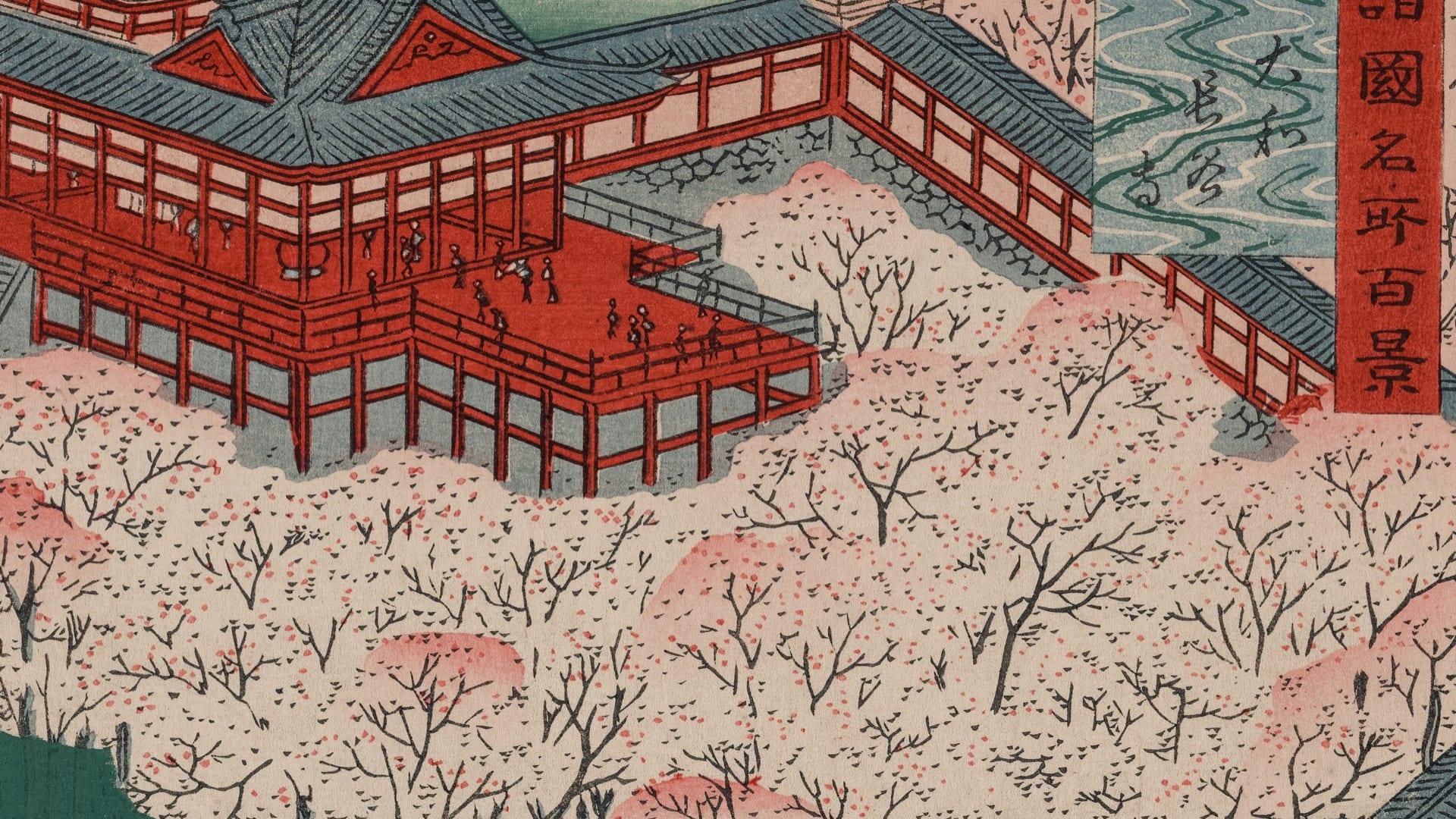
How Place Names in Japan Preserve Memory
Japanese place names often encode what a location once was — its terrain, its history, what happened there, what once stood there. Reading them is a form of archaeology.
Local Context
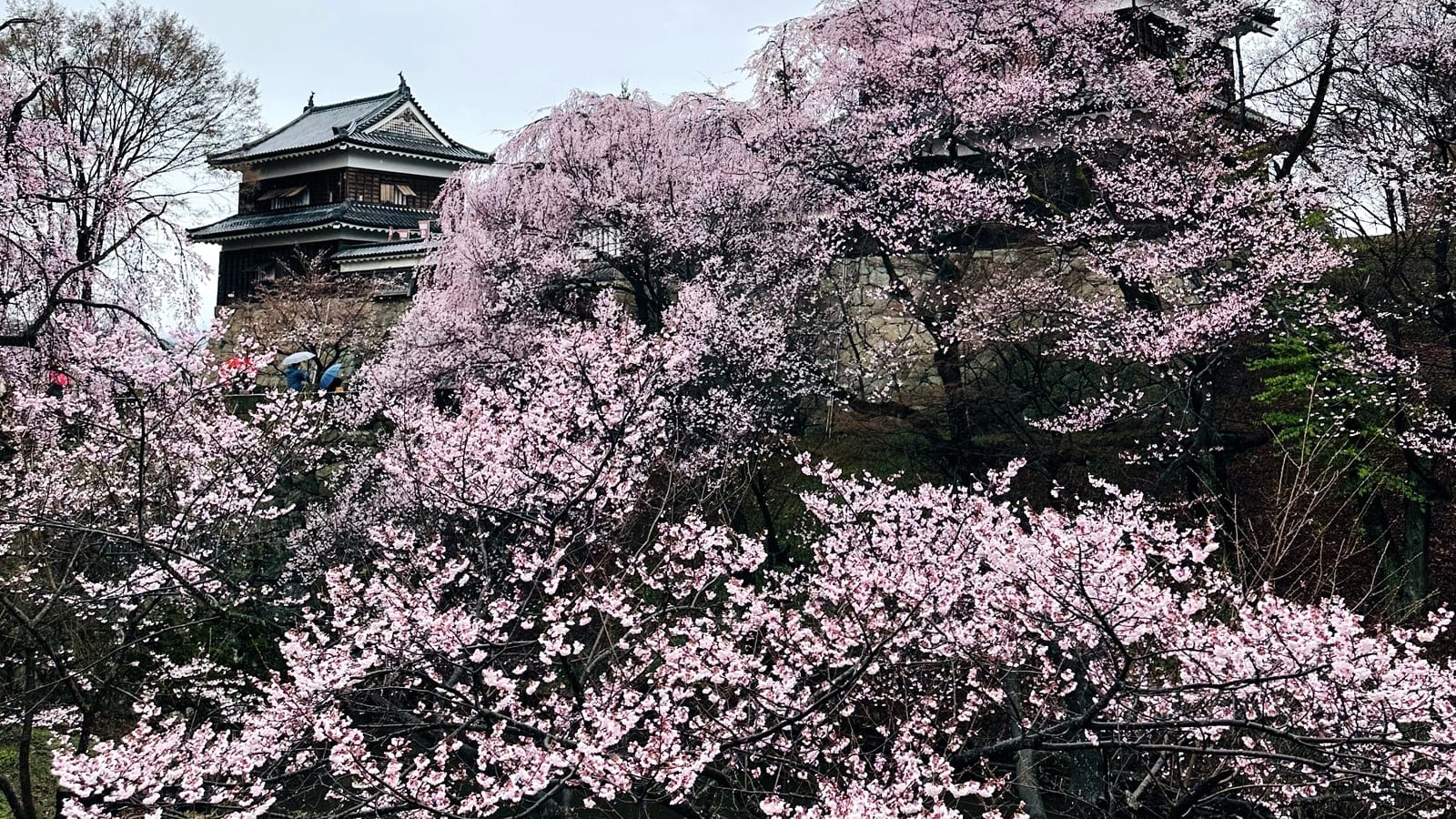
Ueda: The Samurai Town Most Tourists Miss
Ueda in Nagano is one of Japan's most historically layered castle towns — known for repelling Tokugawa forces twice and for the warlord who refused to lose. Most tourists walk past it on the way to somewhere else.
Yokai / Folklore / Spirits
Why Folklore Survives in Everyday Places
Japan's folk tradition did not retreat into museums. It persists in neighborhoods, festivals, vending machine placements, and the way certain places are maintained. Here is why.
Local Context
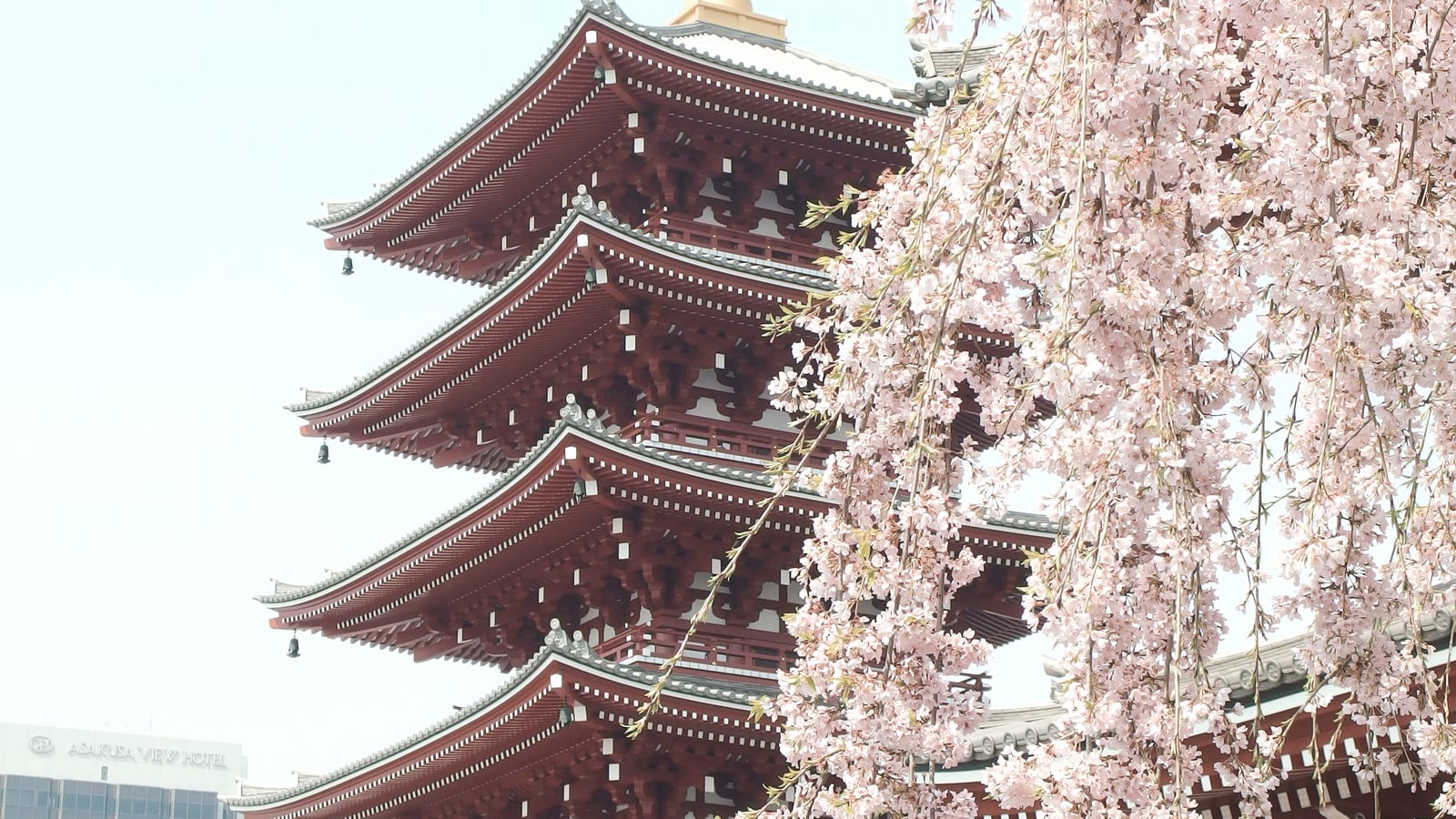
Why Local Shrines Often Matter More Than Famous Temples
The shrines and temples on every visitor list are worth seeing. But the ones not on the list often show you something the famous ones cannot.
Local Context
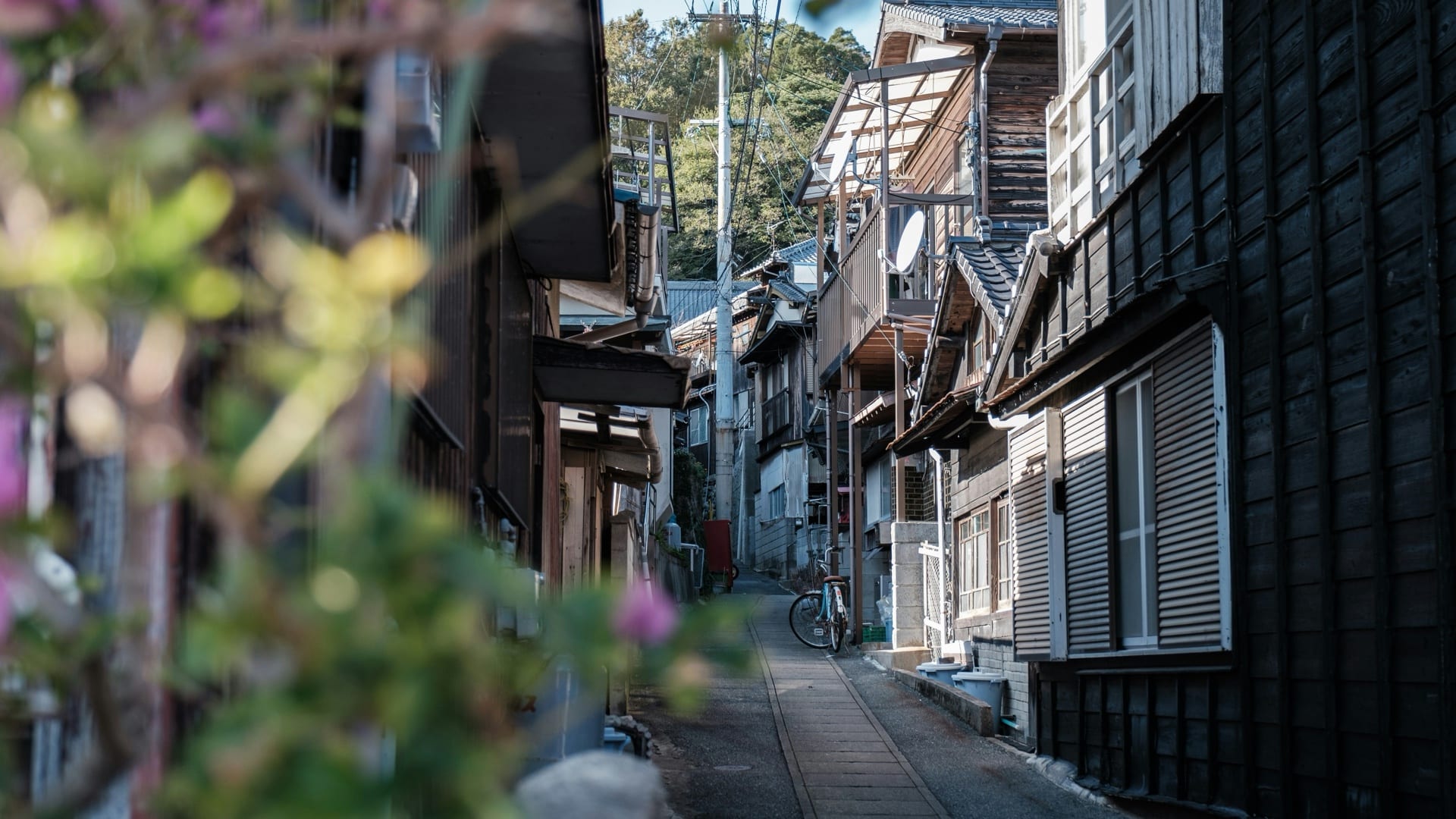
Why Small Japanese Towns Hide the Best Stories
Japan's most visited cities are worth visiting. But the most interesting layers of Japanese history, folklore, and daily life are usually found somewhere quieter.
Yokai / Folklore / Spirits
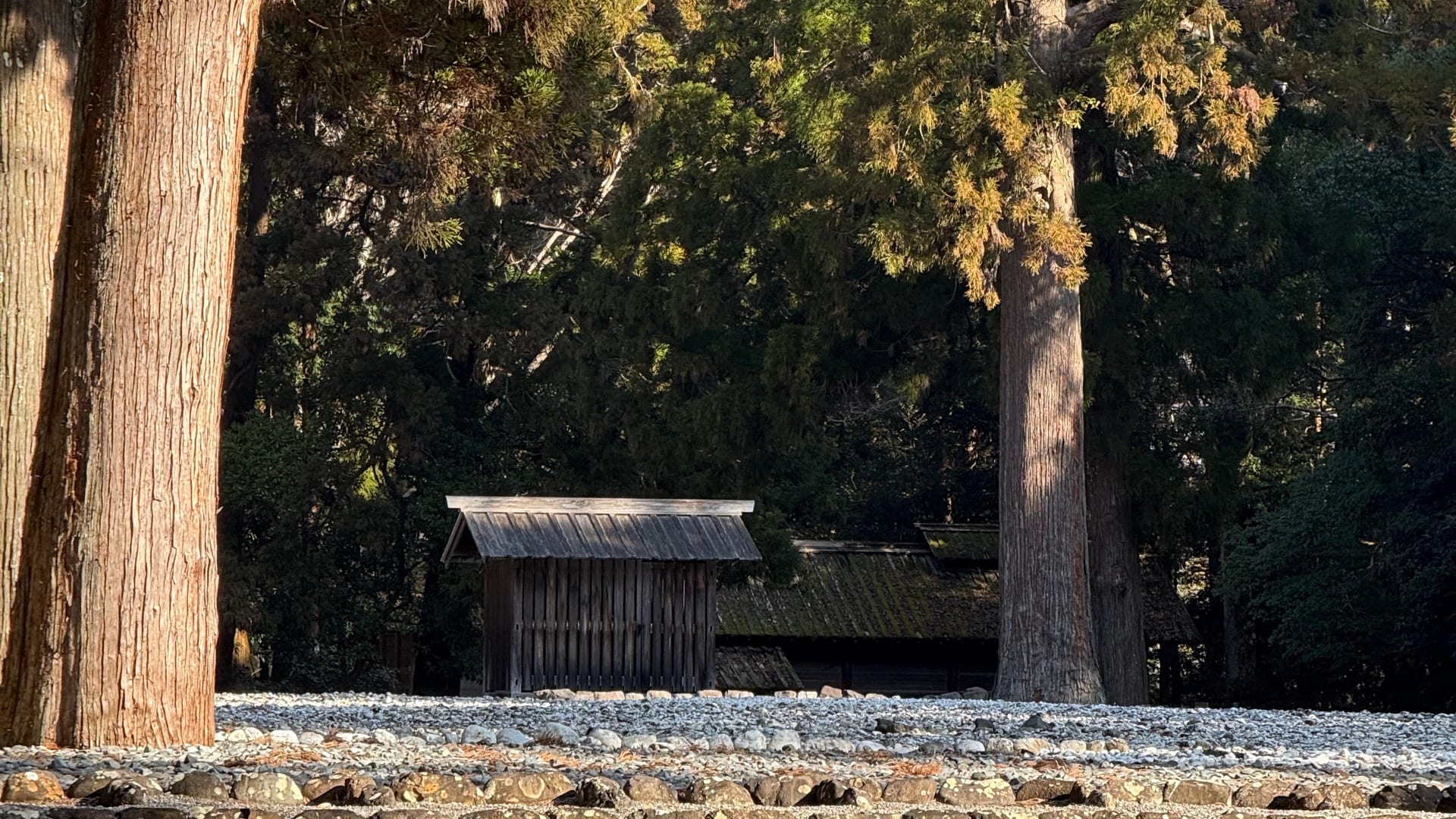
Why Some Spirits Are Local
Many of Japan's most interesting spiritual beings are tied to a specific place — a village, a mountain, a river bend. Why locality matters so much in Japanese folk belief.
Local Context
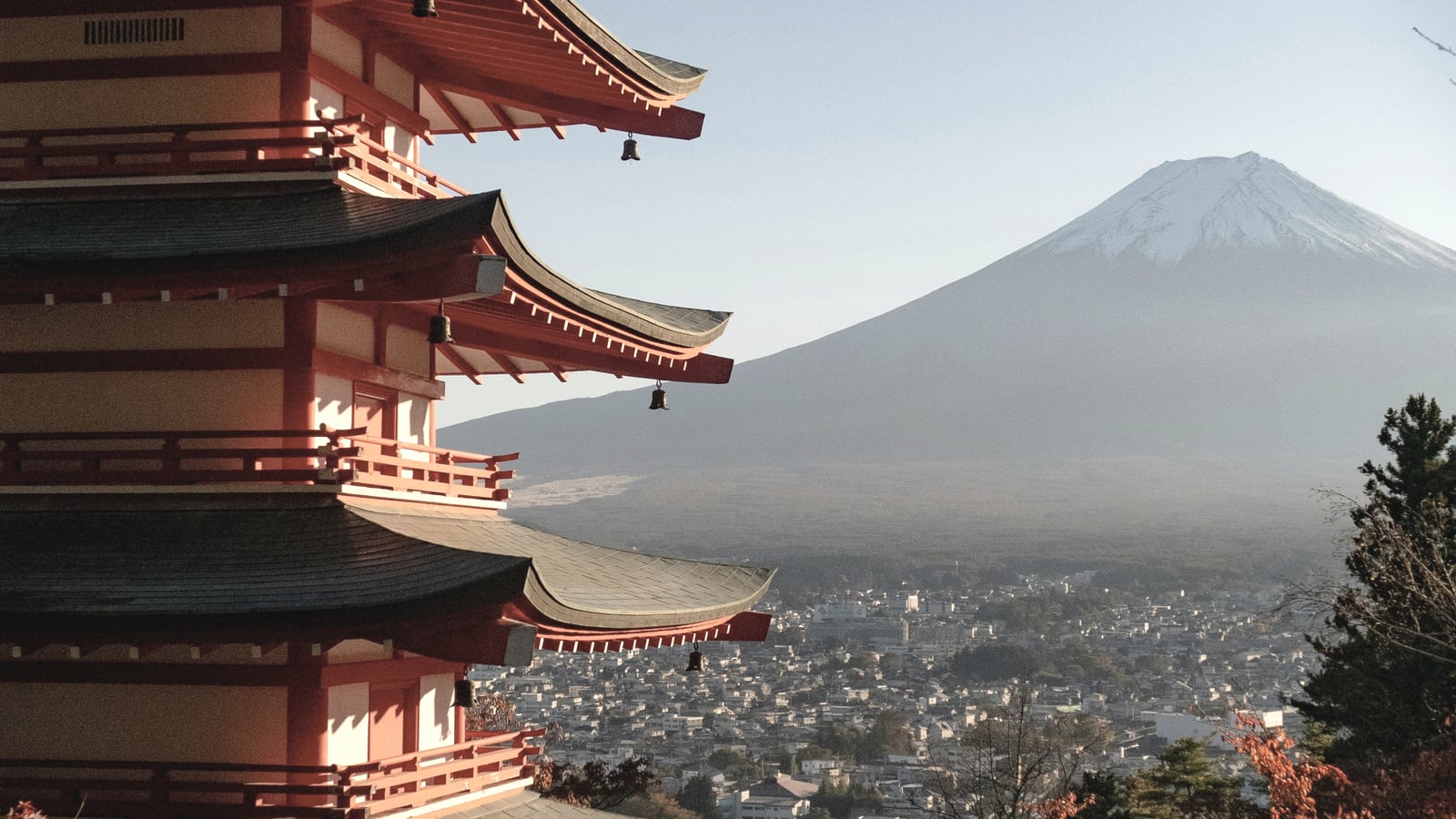
Why Walking Routes in Japan Can Become Story Routes
Japan's old pilgrimage routes, post roads, and mountain paths were built around specific destinations and specific stories. Walking them now is still a form of reading.