Temples / Buddhas / Tenbu
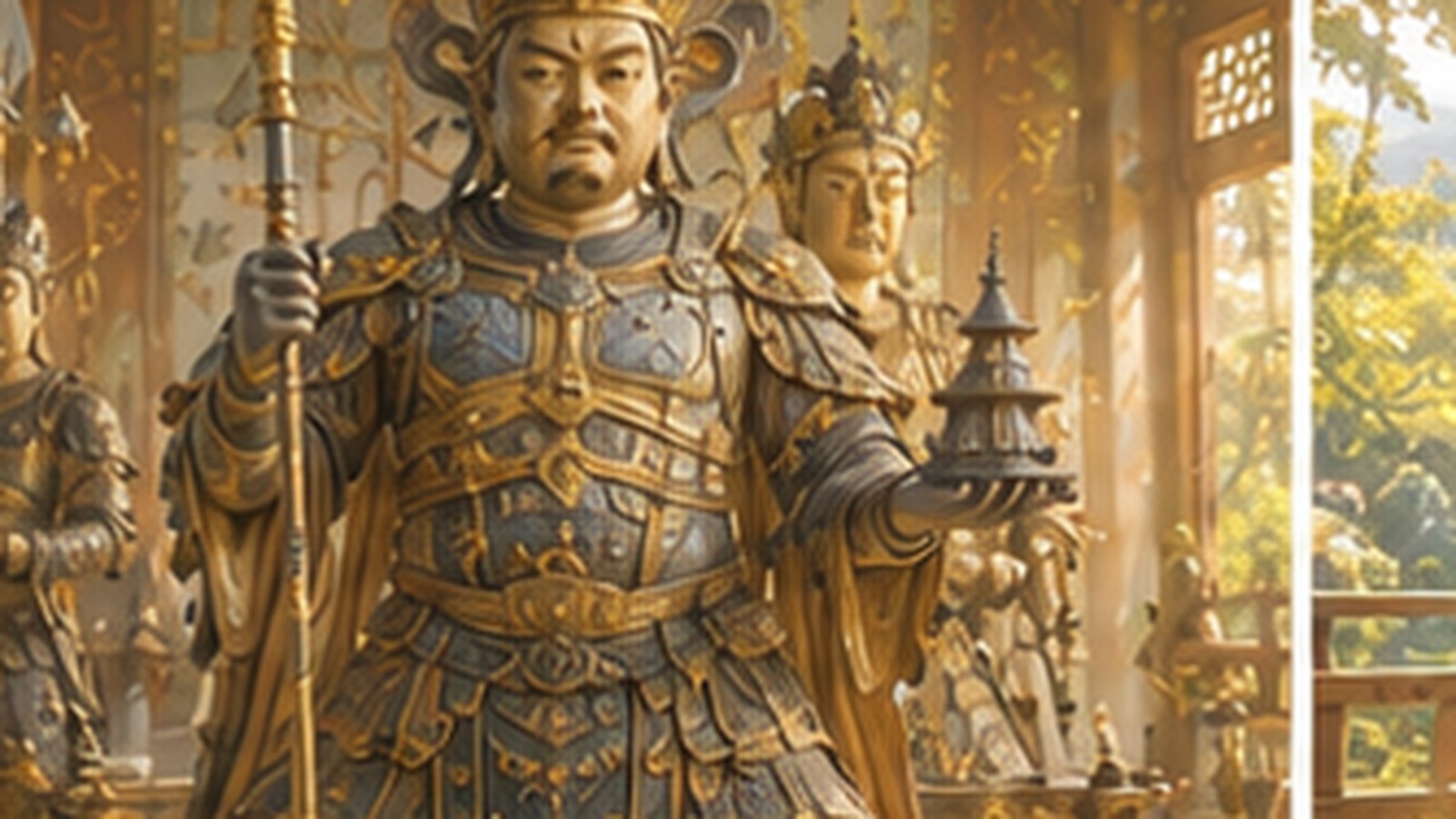
Who Is Bishamonten?
Armored and lifting a jeweled pagoda, Bishamonten stands as one of the Four Heavenly Kings who guard the Buddhist Law — and as one of the Seven Lucky Gods. A martial protector enshrined at Kurama-dera and Shigi-san.
Temples / Buddhas / Bosatsu
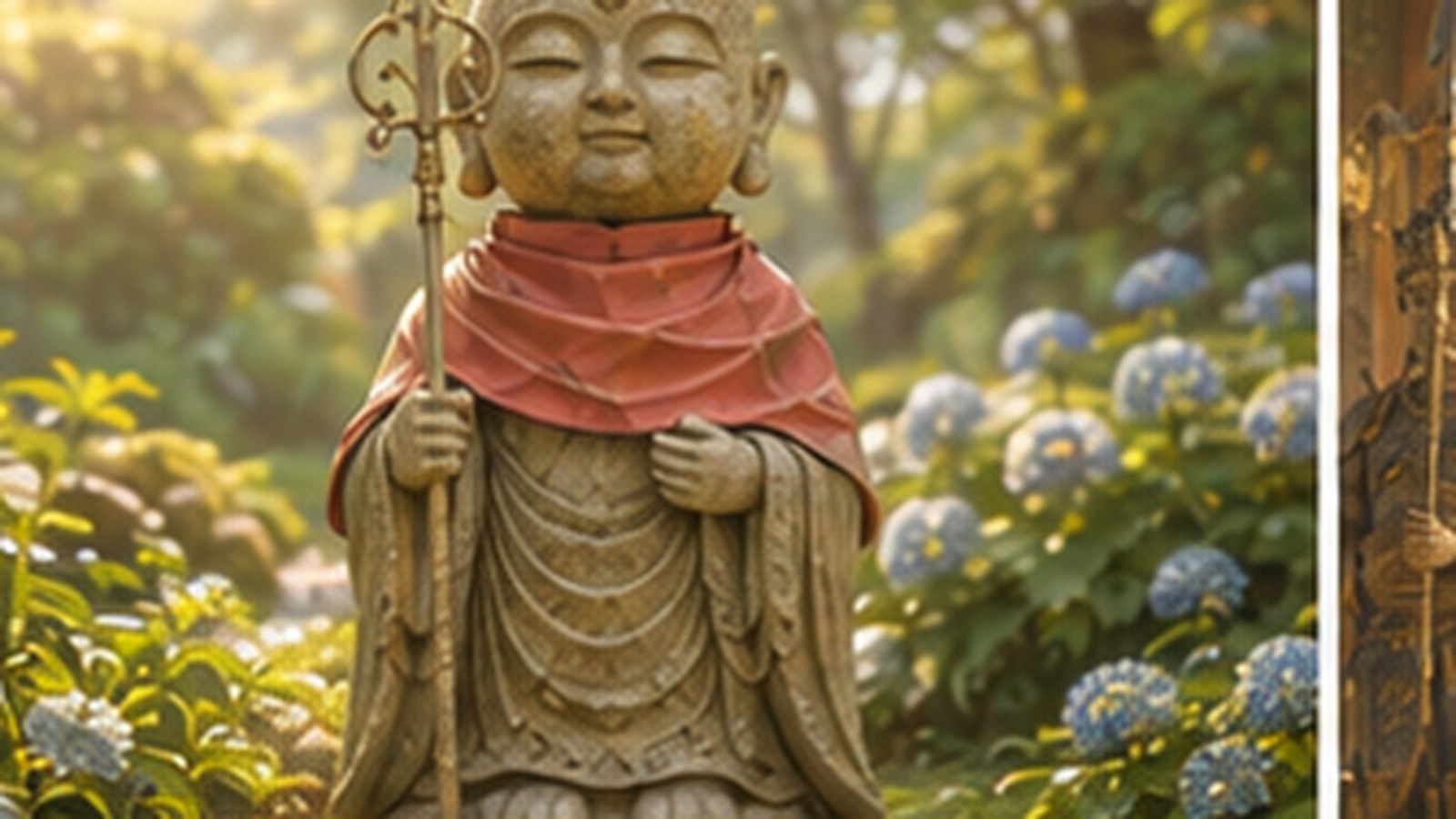
Who Is Jizō Bodhisattva?
The small stone figure with a red bib you see at roadsides, on mountain passes, beside cemeteries. Protector of children, guide of the departed — the bodhisattva closest to ordinary Japanese life.
Shrines / Gods / Kojiki
How Many Gods Are There in Japan? — What 'Yaoyorozu' Really Means
Japan is often described as having 'eight million gods.' That number isn't literal. A short introduction to who these gods are, where they live, and how to start meeting them at shrines.
Shrines / Gods / Kojiki
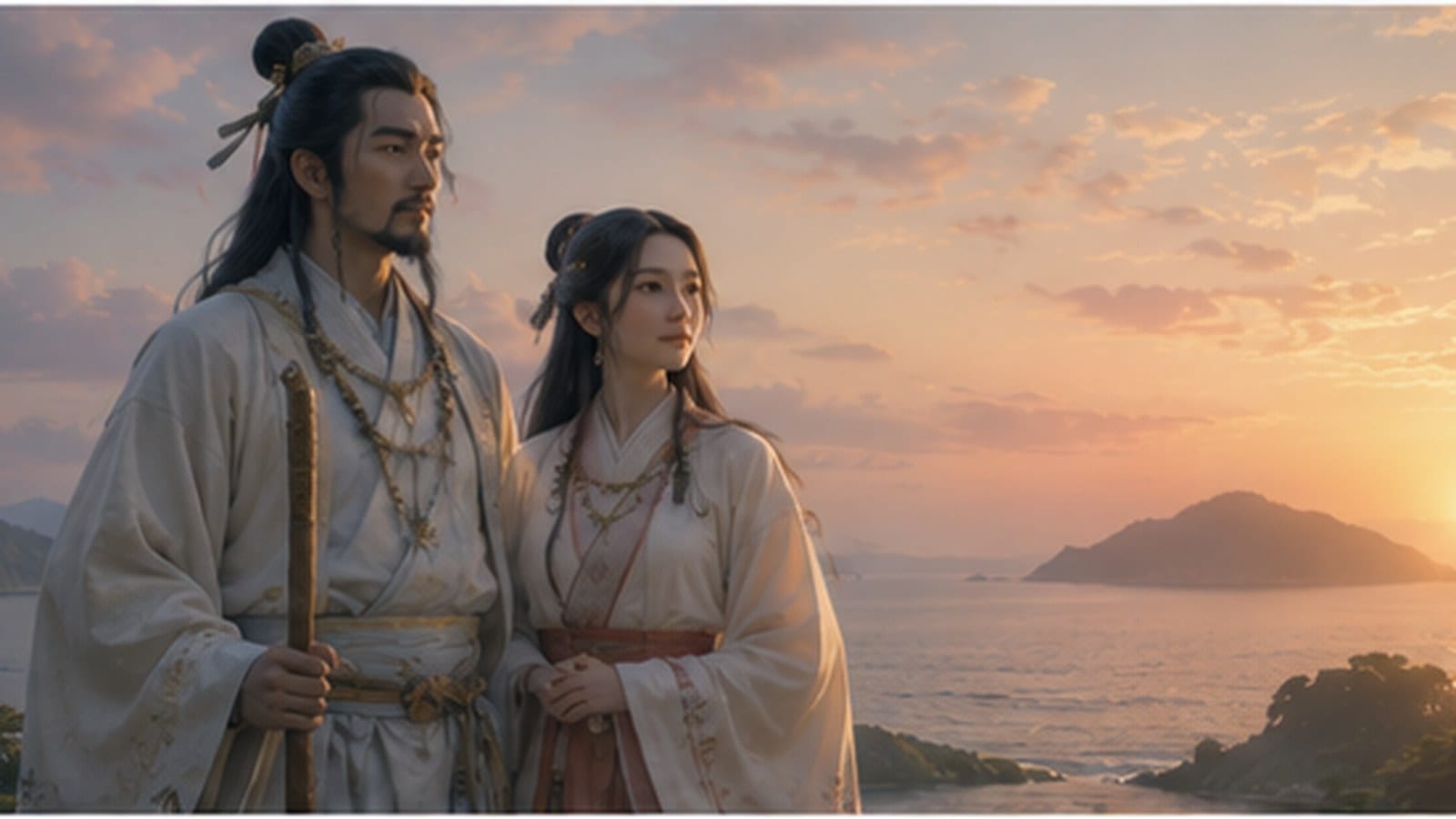
Who Are Izanagi and Izanami?
The husband-and-wife pair at the very beginning of Japan's mythology. The Kojiki tells the story of how they made the islands together — and how they were parted by death.
Shrines / Gods / Kojiki
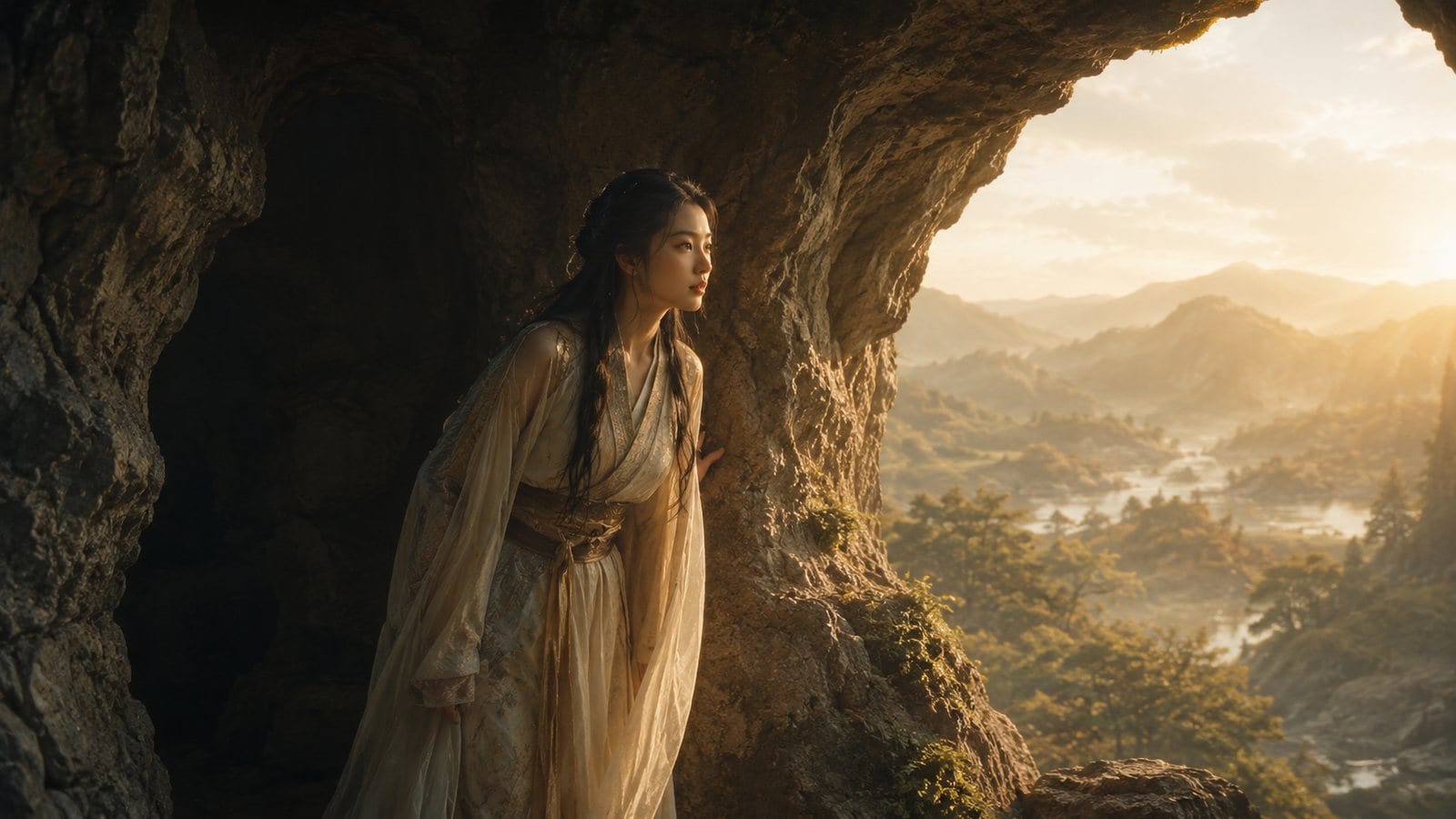
Who Is Amaterasu?
Amaterasu, the sun goddess enshrined at Ise, is one of Japan's central kami. But the Kojiki also describes her as someone who was hurt by her brother and hid in a cave. A look at her personality, and where you can meet her today.
Shrines / Gods / Kojiki
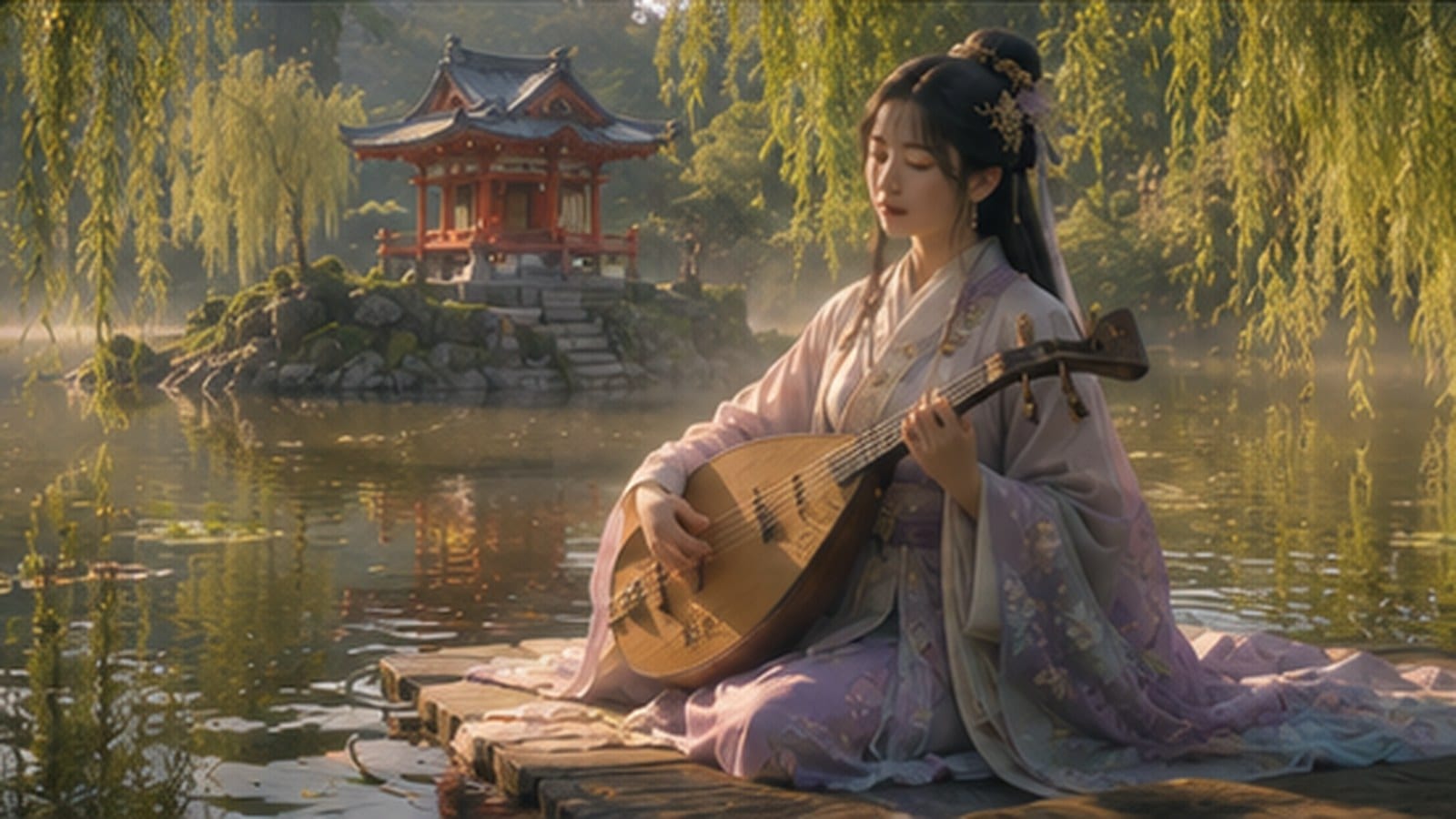
Who Is Benzaiten?
The only goddess among the Seven Lucky Gods. Benzaiten holds a biwa and is enshrined near water — a kami of music, eloquence, and water, who came from India and was welcomed into Japan's pantheon.
Shrines / Gods / Kojiki
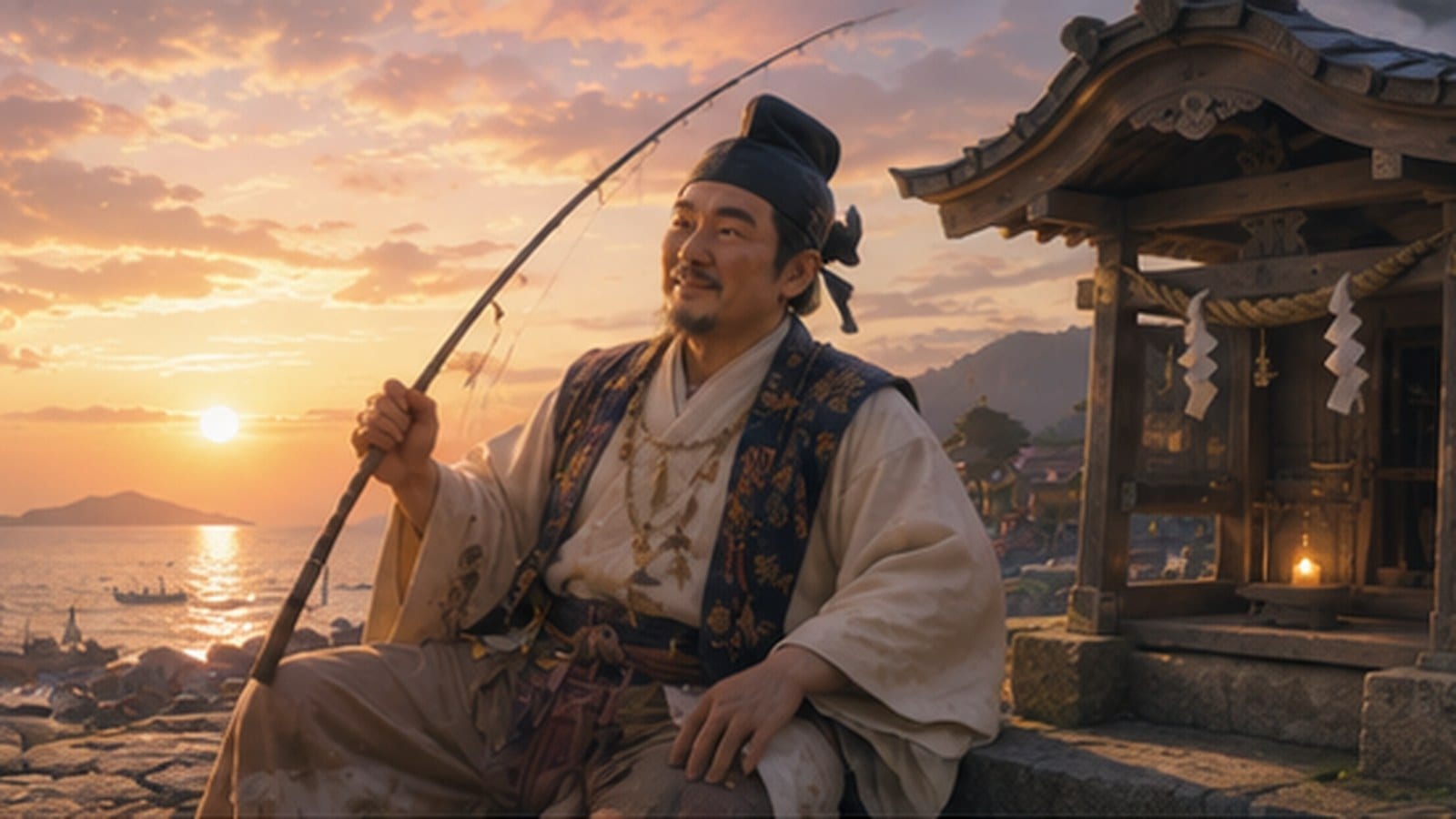
Who Is Ebisu?
Ebisu, one of the Seven Lucky Gods, is known as the cheerful kami of fishing and prosperity, holding a sea bream and a fishing rod. His mythological origin, surprisingly, begins with a child set adrift on the sea.
Shrines / Gods / Kojiki
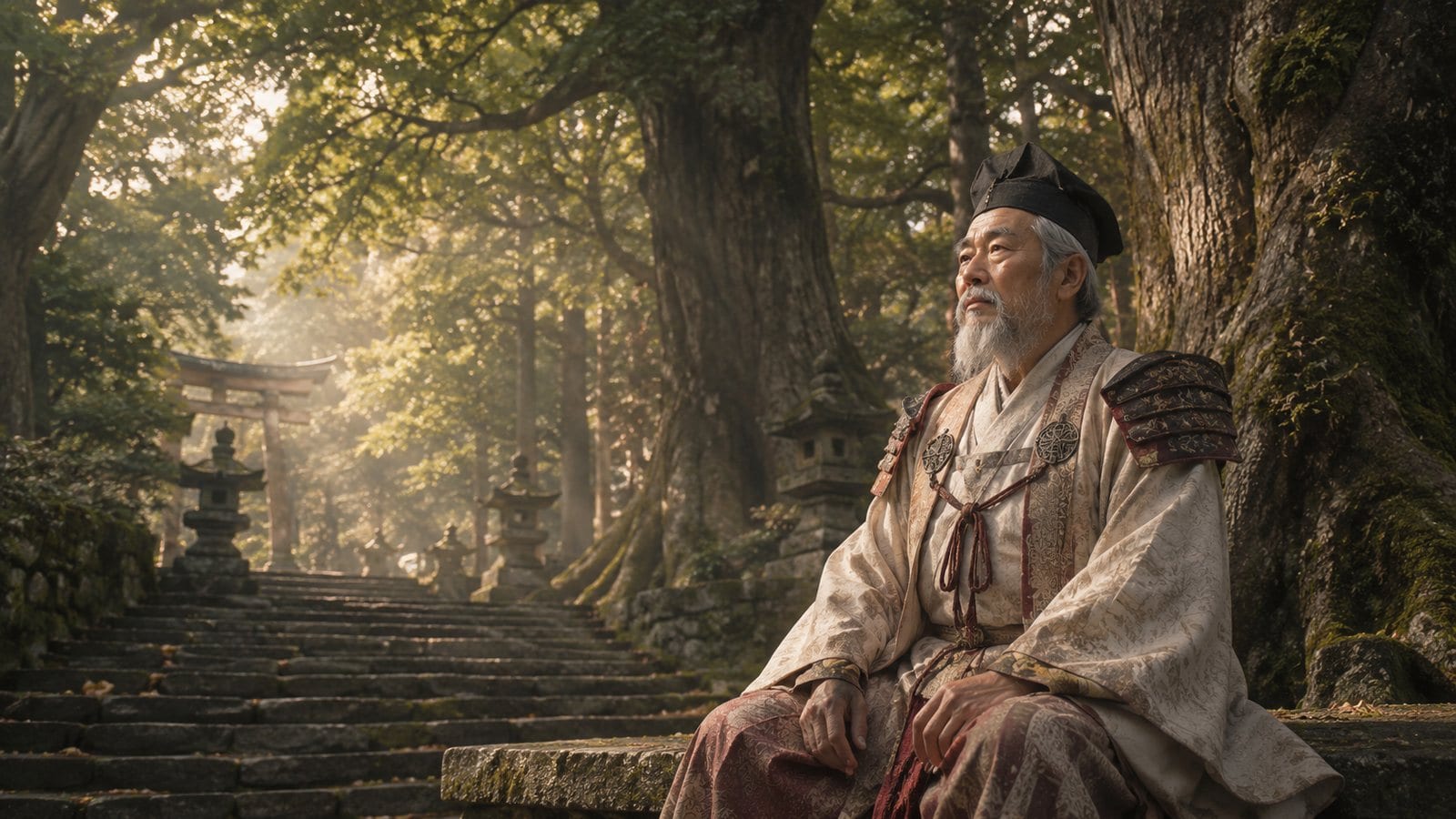
Who Is Hachiman?
There are over 40,000 Hachiman shrines across Japan. Hachiman is known as a god of warriors, but is also worshipped as a protector of children and families. A look at the figure behind those familiar gates.
Shrines / Gods / Kojiki
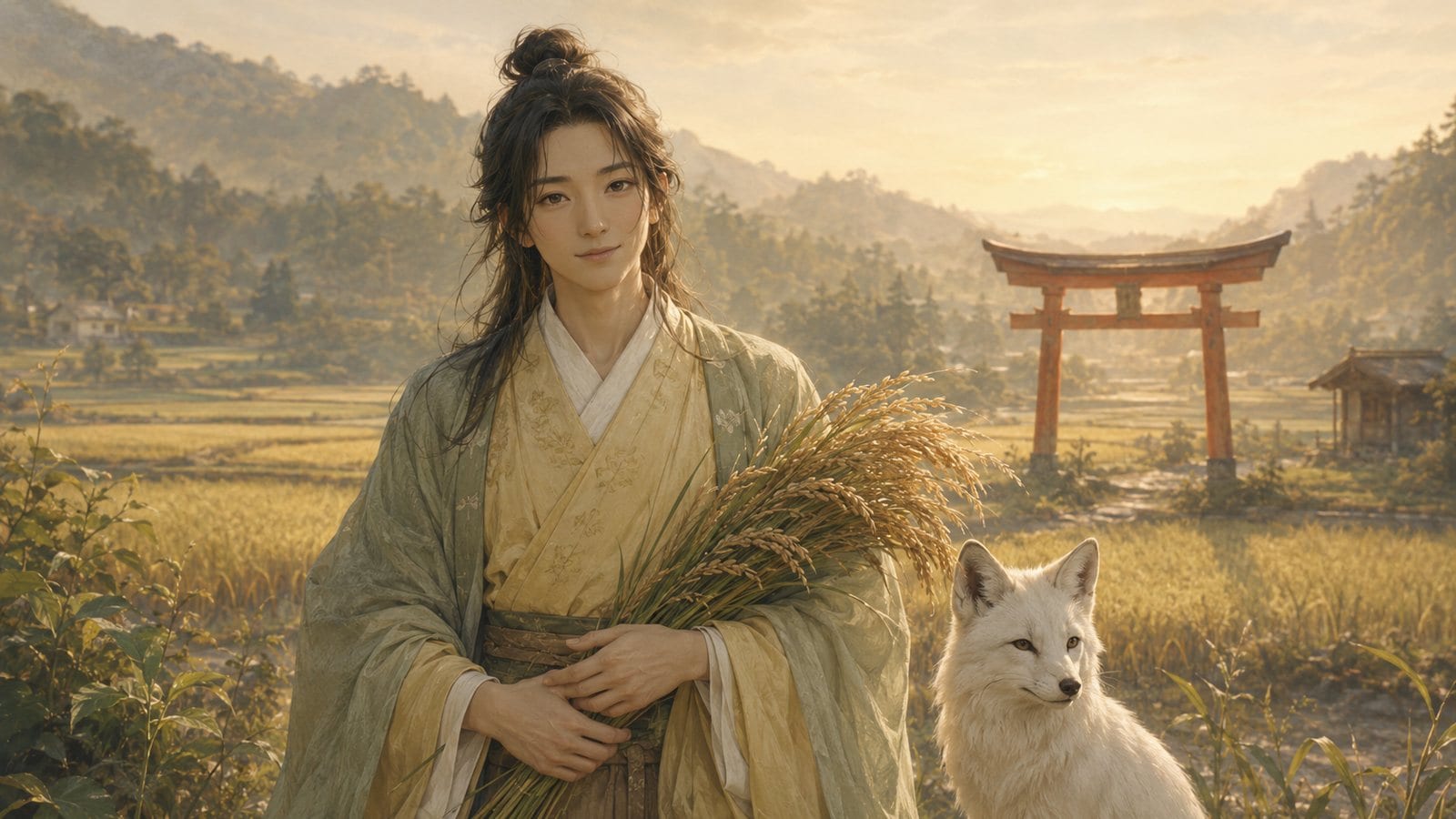
Who Is Inari? — Ukanomitama and the Foxes
The red torii gates and fox statues you see at shrines across Japan belong to Inari. The kami at the center of that worship is Ukanomitama. A short look at the figure behind one of Japan's most familiar shrine scenes.
Shrines / Gods / Kojiki
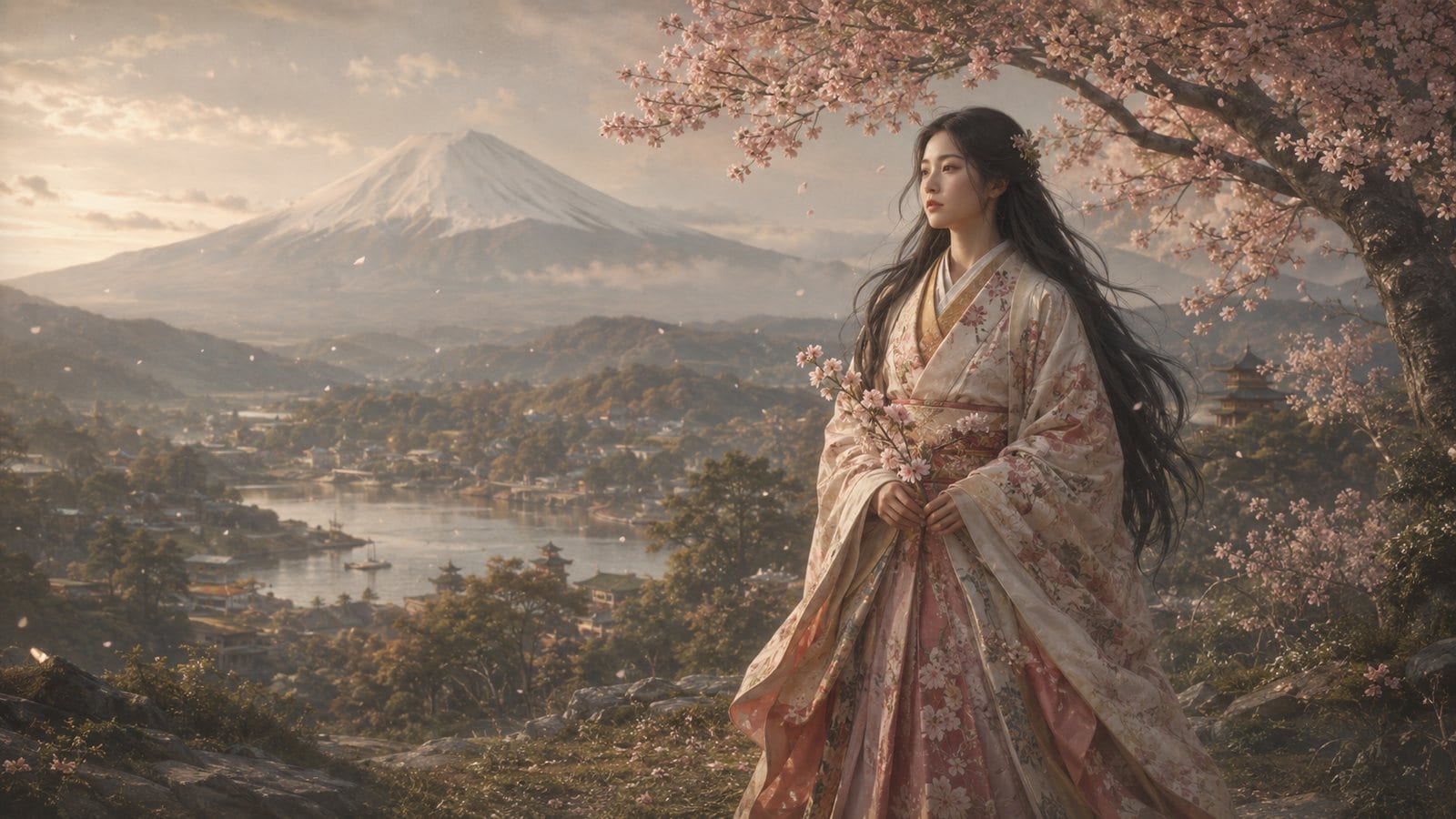
Who Is Konohanasakuya-hime?
The goddess enshrined at Mount Fuji. Her name means 'blooming like cherry blossoms,' but the Kojiki tells the story of a goddess who chose to give birth inside a burning hut to prove her honesty.
Shrines / Gods / Kojiki
Who Is Ninigi?
Amaterasu's grandson, who descended from heaven to earth carrying rice. The Kojiki describes him as young, with a young person's mistakes — choices that, in the story, gave human lives their limits.
Shrines / Gods / Kojiki
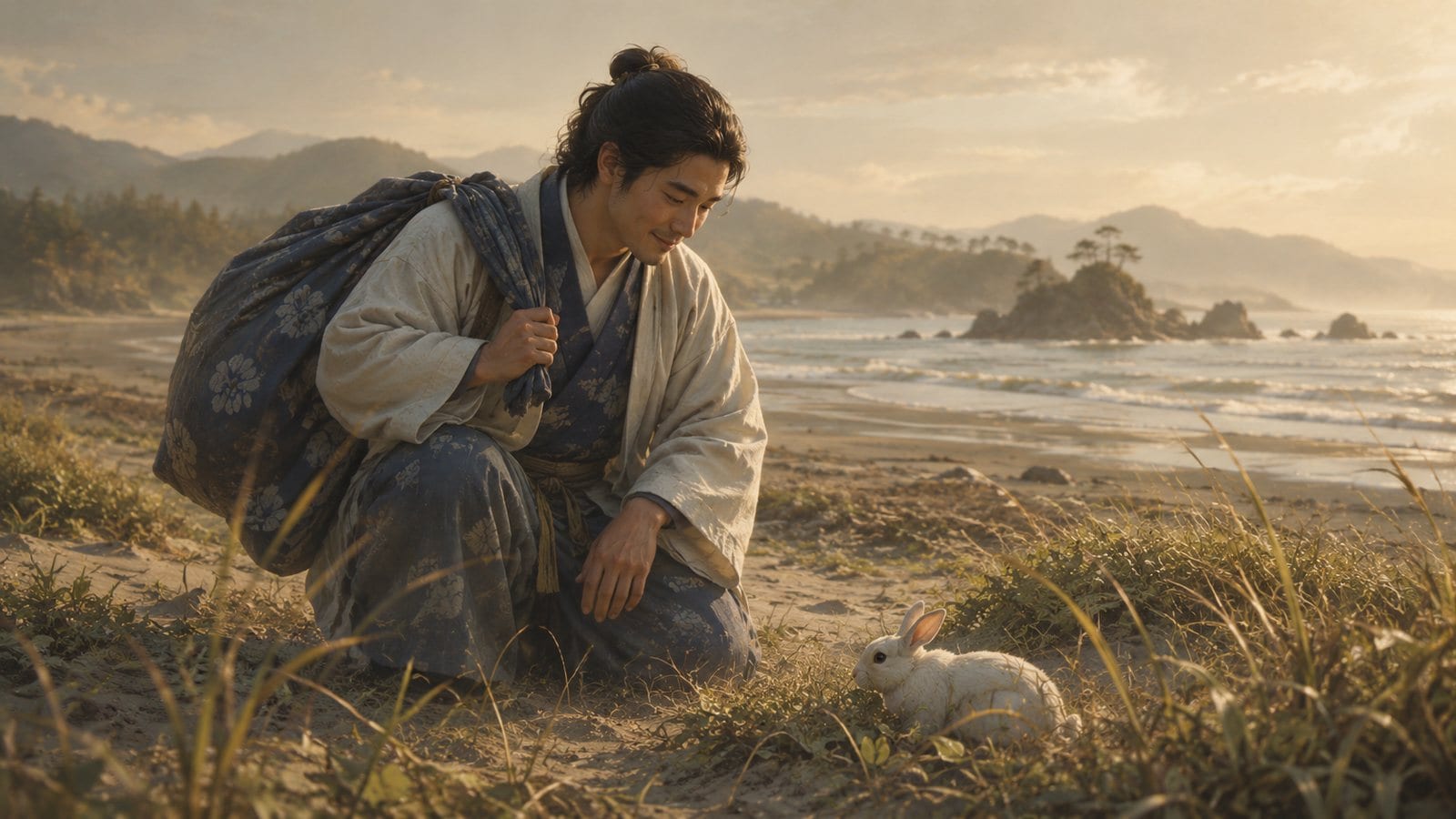
Who Is Ōkuninushi?
Ōkuninushi is enshrined at Izumo and known as the kami of en-musubi — the binding of relationships. The Kojiki shows him as someone who was hurt many times, and never lost his kindness.
Shrines / Gods / Kojiki
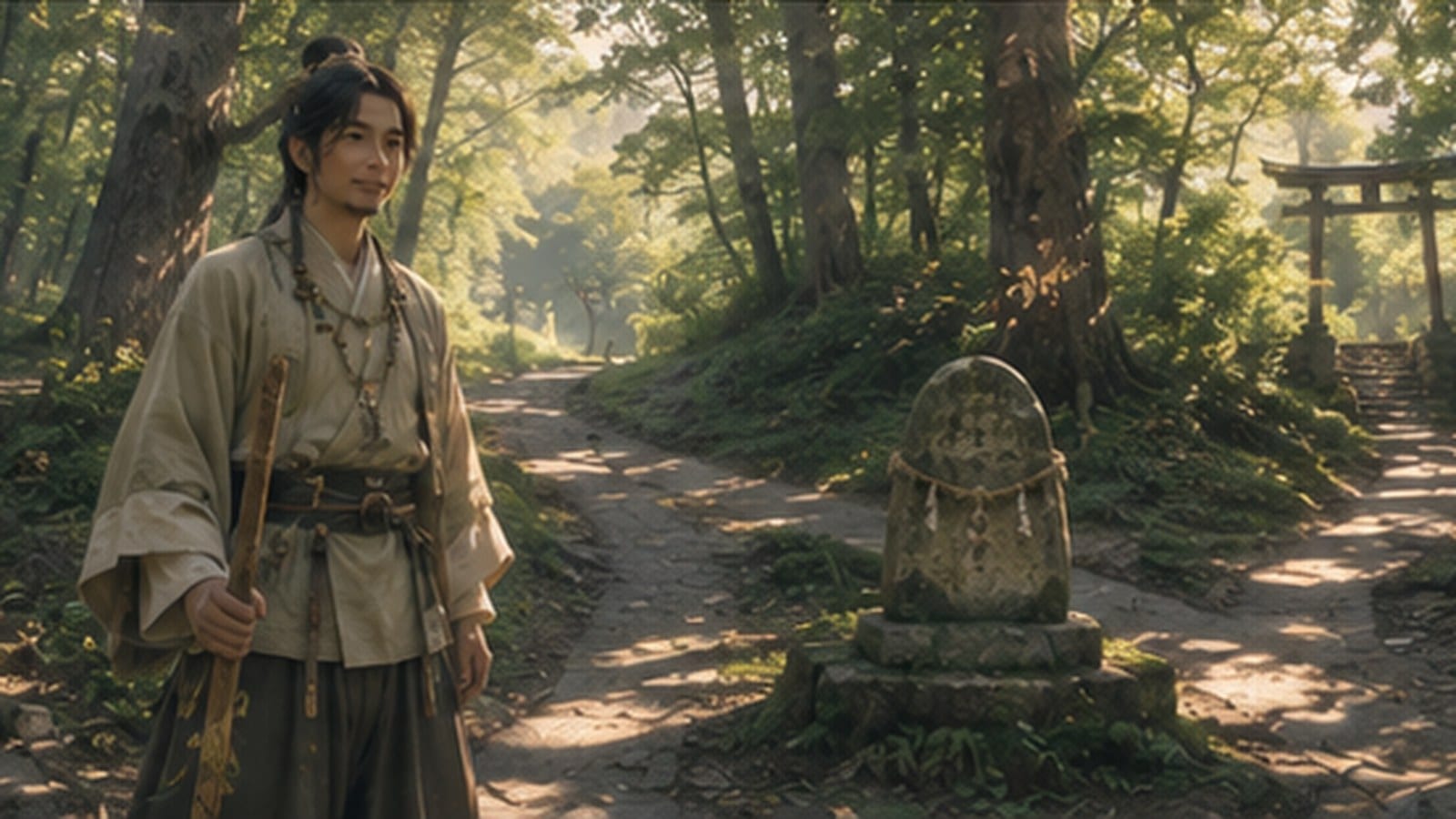
Who Is Sarutahiko?
The earth-side god who guided Ninigi's descent from heaven. Long-nosed and bright-eyed, Sarutahiko is the kami of paths, crossroads, and beginnings — and is loved as a guide, not feared as a strange figure.
Shrines / Gods / Kojiki
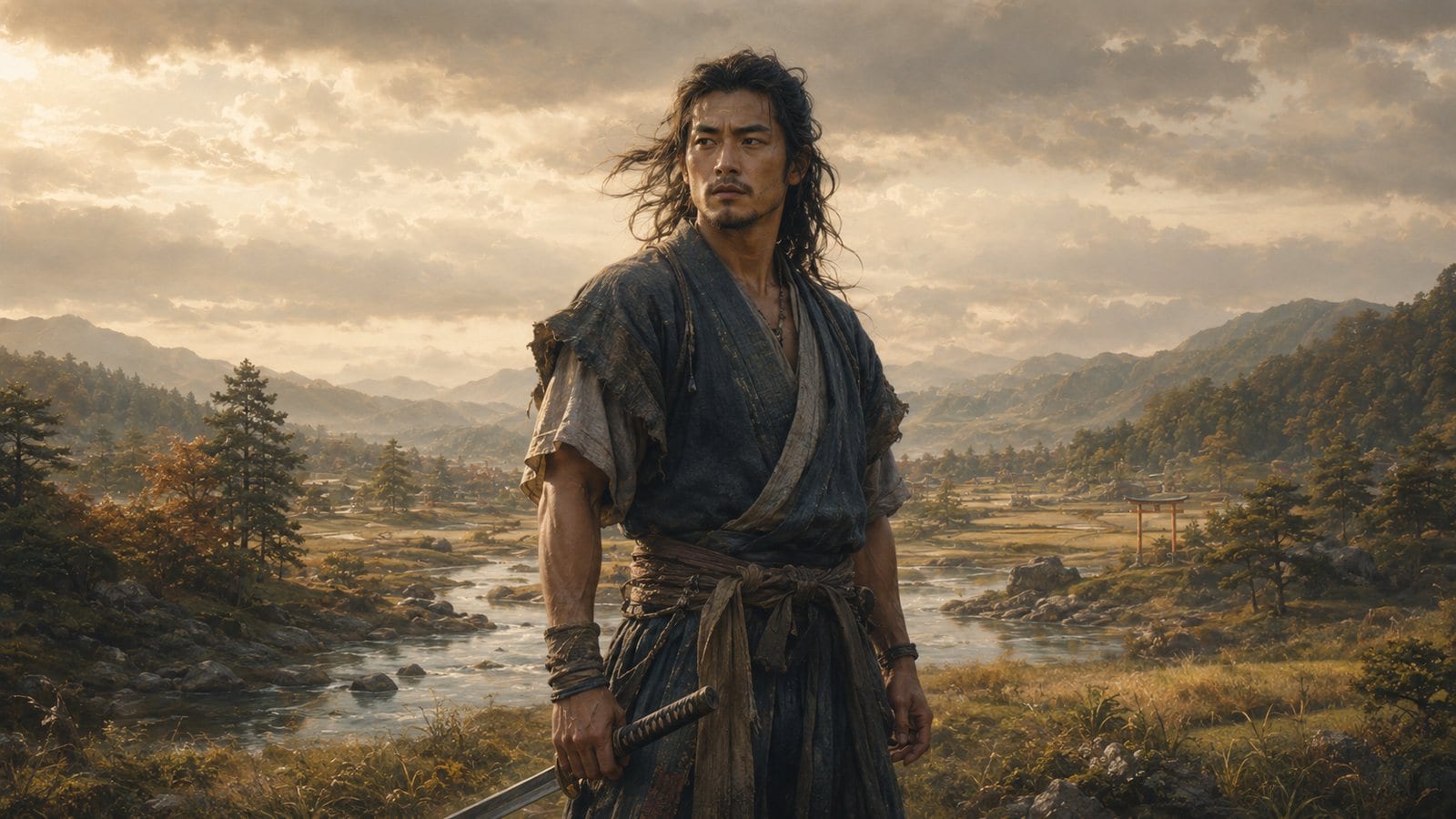
Who Is Susanoo?
Susanoo, the younger brother of Amaterasu, is the kami who hurt his sister in the heavens — and became a hero on earth, defeating the eight-headed serpent Yamata no Orochi. A look at the range of his personality.
Shrines / Gods / Kojiki
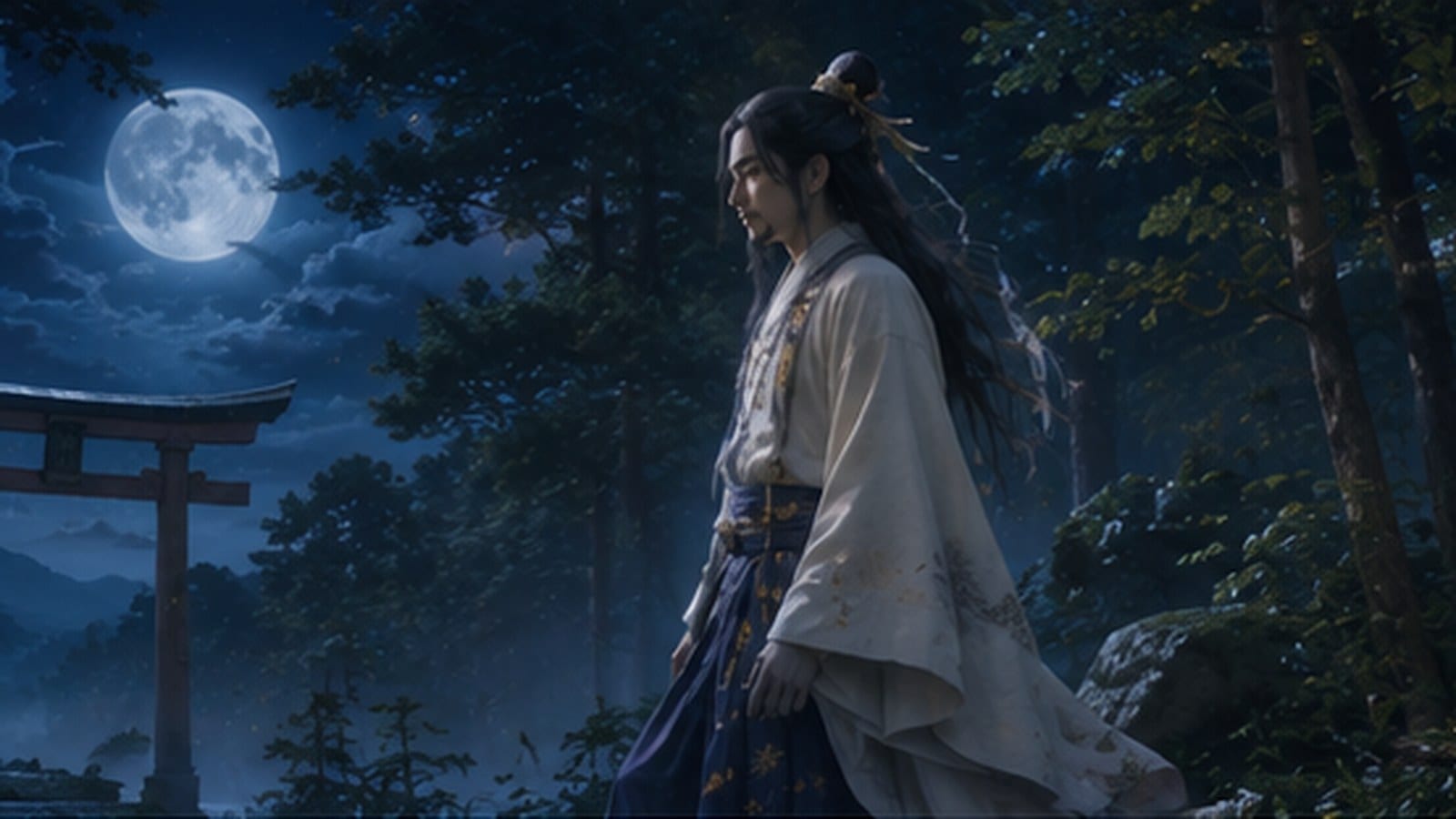
Who Is Tsukuyomi?
The moon god, brother to Amaterasu and Susanoo. The Kojiki barely tells his story — and that quietness is part of who Tsukuyomi is.